
Clara Bennett | 17 hours ago

What Should You Know Before Choosing Alaïa Shearling Mary Jane Flats?

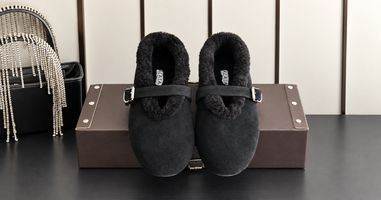
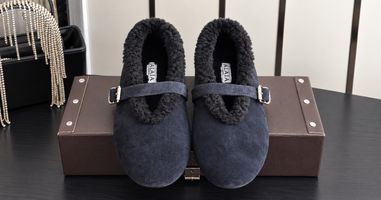
Alaïa Mary Jane flats suit people looking for a low shoe that feels more substantial than a conventional ballerina. Suede, shearling trim, a rounded toe, and a metallic strap give this pair a clear cooler-weather character without making the profile heavy.


The main distinction is texture. Soft trim frames the foot while the strap introduces a sharper metallic element, changing how the shoe sits beside trousers, knitwear, socks, and outerwear.


Before choosing the pair, it helps to consider whether that seasonal character fits the way you normally dress.


1. Start With the Overall Profile


The sole stays thin, the heel remains low, and the rounded front keeps the base compact.


Shearling adds volume higher up, so the shoe feels fuller around the opening without becoming bulky underneath.


That contrast between a light base and a softer upper gives the design much of its character.


2. Shearling Changes the Outline


The trim creates a soft border around the foot, particularly from above and from a three-quarter angle.


Dark clothing emphasizes the pale edge, while cream, taupe, and muted neutrals reduce that contrast.


This difference becomes especially noticeable on Alaïa shearling ballet flats, where the trim follows most of the opening instead of appearing as a small decorative accent.


Wool, dense knits, and brushed fabrics can echo that softness without needing to match the shoe exactly.


3. The Metallic Strap Provides Contrast


Most of the upper is matte and soft, so the reflective fastening stands out immediately.


It creates a horizontal break over the foot and gives the center of the shoe more definition.


That hardware can also affect accessory choices. If a bag or coat already carries prominent metal, quieter jewelry usually keeps the overall look cleaner.


4. Suede Keeps the Finish Controlled


Black suede absorbs light rather than reflecting it strongly. That helps balance the visible strap and fluffy edging.


Denim, wool, brushed cotton, and matte leather sit comfortably beside it. Satin or polished fabrics create a sharper contrast and make the footwear feel more deliberate.


The same shoe can therefore move from casual clothing to cleaner tailoring without losing its basic character.


5. Mary Jane Construction Adds Definition


The strap introduces more structure than an open ballerina.


Beside wide trousers, soft skirts, or substantial knitwear, Alaïa Mary Jane shoes retain a distinct center line across the foot instead of becoming one continuous soft surface.


The rounded front supports that controlled proportion.


Together, these elements keep the design from feeling overly delicate despite the fluffy trim.


6. Pay Attention to What the Hem Does Near the Trim


The most useful trouser question here is not simply length. It is what the fabric does once it reaches the shearling.


A stiff trouser hem can rest cleanly above the opening, while softer fabric may fold into the trim and partially flatten it. Very wide trousers can also brush the edge repeatedly during movement.


This matters because the border is one of the shoe’s strongest features. If a hem continually presses against it, the upper can look less defined.


Leaving a small amount of clearance around the opening usually allows the texture to read more clearly.


7. The Pair Has a Cooler-Weather Character


Suede and shearling immediately shift the design toward autumn and winter.


A wool coat is an obvious partner, but it is not required. Straight denim and a dense knit already provide enough substance around the shoe.


Skirts and opaque tights create another direction. In that setting, Alaïa shearling Mary Jane flats remain clearly defined while the darker leg line connects easily to the suede upper.


Lighter clothing can work too, provided another element supports the shoe’s heavier texture.


For a wardrobe already containing mesh or thin leather ballerinas, this seasonal quality creates a clearer distinction.


8. Socks Can Change the Mood Quickly


Bare ankles keep more of the ballet-flat character.


Thin socks shift the pair toward autumn dressing. Black, cream, charcoal, and muted brown are easy choices because they do not compete heavily with the trim.


Thick ribbing creates more volume around an opening that is already full, producing a noticeably more casual result.


A smoother sock also keeps the metallic strap easier to see.


9. Dark Suede Makes Pairing Easier


The upper does not need exact color repetition elsewhere.


Charcoal trousers, dark brown outerwear, washed black denim, cream knitwear, and subdued neutrals can all sit comfortably beside Alaïa suede Mary Jane flats.


The lighter border breaks up the dark body of the shoe and keeps it from appearing as one solid block.


A bag can therefore pick up either the darker suede or the warmer trim rather than matching the footwear precisely.


10. Give the Opening Enough Space


The area directly above the shoe matters more here than it does on a plain leather flat.


A clean ankle line lets the shearling border remain separate from the clothing above it. When fabric, socks, and trim all meet in the same small area, the construction can start to feel crowded.


Skirts work well when the lower hem leaves a clear gap before the shoe. Trousers can achieve the same result if their cut does not bunch heavily around the ankle.


This small amount of space helps the strap, trim, and suede upper remain distinct instead of merging into one dense area.


11. The Toe Balances the Fuller Opening


The rounded front is important because the upper already carries extra volume around the foot.


A sharper toe would pull attention forward and create stronger tension between the front and the soft border. Here, the curve keeps those proportions closer together.


That balance helps Alaïa Mary Jane flats feel cohesive rather than divided between a plush upper and an unusually elongated base.


The front also remains fairly restrained, leaving the strap and shearling to provide most of the recognizable character.


12. Too Many Textures Can Work Against the Shoe


The footwear already combines suede, shearling, and metal.


Adding highly textured trousers, a fuzzy coat, ornate knitwear, and a decorated bag at the same time can make the outfit feel crowded.


Repeating just one surface elsewhere is usually enough. A suede bag, wool coat, or soft knit can create continuity while the remaining pieces stay simpler.


Denim, wool, tights, and outerwear open up more cooler-weather combinations once the season changes.


13. The Shoe Reads Differently From Each Angle


From the front, the rounded toe and metallic strap dominate first. The shearling appears mainly as a soft border around them.


The side view reveals more of the suede body and shows how much thickness the trim adds above the sole.


From above, the balance shifts again. Shearling becomes far more prominent because it surrounds most of the opening, while the dark suede occupies a smaller visible area.


Movement adds another change: the metallic strap catches light while the trim stays matte. That contrast can make the shoe look more animated while walking than it does in a static product image.


These angle changes are worth considering because the design does not present the same feature as its main focus from every viewpoint.


14. Decide Whether You Want a Seasonal Flat


A thin leather or mesh ballerina can cover a broader part of the year. This pair serves a more specific purpose.


The combination of suede, a compact toe, and metallic hardware already gives the shoe definition. Alaïa shearling ballet flats add a stronger autumn-winter cue around the opening, which suits denim, wool trousers, tights, knitwear, and structured outerwear particularly well.


For someone who already owns simpler flats, this version brings a noticeably different texture rather than repeating the same clean construction.


That distinction is what makes the pair useful as a separate option.

Clara Bennett

Clara Bennett writes about designer shoes, focusing on materials, proportions, styling, and the small design differences that change how a pair looks and wears. Her articles look closely at individual styles and how they fit into everyday, work, and occasion dressing.

More Posts

How Do Alaïa Shearling Ballet Flats Fit Into a Fall and Winter Wardrobe?How Do Alaïa Shearling Ballet Flats Fit Into a Fall and Winter Wardrobe?
How Do Alaïa Shearling Ballet Flats Fit Into a Fall and Winter Wardrobe?

Alaïa shearling ballet flats bring a softer, more seasonal direction to a low-profile shoe. Black suede, pale shearling trim, a rounded front, and metallic fastening keep the base compact while adding enough texture for autumn and winter clothing.


Instead of functioning like an airy ballerina, the pair can connect knitwear, wool trousers, denim, tights, and outerwear near the ground. The main question is how those materials interact once the rest of the wardrobe becomes heavier.


1. They Work Well During the Shift Into Cooler Weather


Early autumn can be awkward for footwear. Boots may feel too heavy, while very thin summer flats can look disconnected from jackets and denser fabrics.


This pair sits comfortably between those two points. The low sole keeps the look light, but the shearling adds enough seasonal character to work beside knits, denim, and lightweight outerwear.


That makes it particularly useful during the weeks when temperatures have dropped but full winter footwear still feels unnecessary.


2. Early Autumn Needs Less Layering


The shoe does not require a full winter outfit.


Straight denim, a fine knit, and a lightweight jacket already provide enough substance. Leaving some space around the ankle also prevents the lower half from feeling too heavy.


A skirt can create a similar effect if the rest of the outfit stays restrained.


The shearling already signals the seasonal shift, so every other piece does not need to repeat it.


3. Mary Jane Structure Helps Under Heavier Clothing


As outerwear becomes larger, very delicate footwear can lose definition beneath the volume above it.


The metallic strap creates a distinct line across Alaïa Mary Jane flats, separating the dark suede body from the softer border.

That becomes useful beside long coats or wider trousers.


The rounded front keeps the result softer rather than severe, so the extra definition still works beside knitwear and brushed fabrics.


4. Denim Is One of the Easiest Partners


Washed black denim keeps the lower half tonal while allowing the pale trim to stand out.


Indigo introduces more contrast but still carries enough visual weight for suede and shearling. A straight leg usually frames the shoe more cleanly than fabric that collapses around the opening.


Cream or ecru denim changes the balance again. The lighter trim can connect to the trousers while the black upper anchors the outfit.


That works particularly well in early autumn when an all-dark palette feels too heavy.


5. Wool Trousers Need the Right Finish


Smooth suiting creates a sharper contrast against the fuzzy border, while brushed wool produces a softer transition.


Cut matters too. Straight or slightly wide legs usually leave enough room around the opening, whereas excess fabric gathering at the ankle can cover part of the trim.


The aim is not to expose the entire shoe. It is simply to keep its most distinctive edge from disappearing under fabric.


6. Different Winter Fabrics Change the Effect


Cold-weather fabrics do not all interact with the shoe in the same way.


Smooth wool creates a clean contrast against Alaïa shearling flats, making the trim appear softer by comparison. Brushed wool produces a quieter transition because both surfaces already carry visible texture.


Denim introduces a firmer, more casual surface, while leather creates the strongest contrast between sleek and plush finishes.


These differences can be more useful than trying to repeat shearling elsewhere in the outfit.


7. Tights Shift the Pair Toward Winter


Opaque black tights create a continuous dark line from leg to suede upper, letting the pale border and metallic strap stand out.


Charcoal produces a softer transition beside grey wool, muted brown, or navy.

Cream tights connect more closely to the trim instead of the dark body of the shoe.


Patterned tights need more restraint elsewhere because the footwear already contains several visible elements.


8. Weather Can Change When the Pair Makes Sense


The combination of suede and exposed shearling suits dry, cool days particularly well.


In mild autumn weather, the shoe can work as an alternative to boots when heavier footwear feels unnecessary. Cold but dry winter days can suit it too, especially with tights or warmer trousers.


Rain, slush, or wet pavement changes the equation. Those conditions make Alaïa shearling ballet flats less convenient than footwear made from smoother, more weather-tolerant materials.


That practical boundary matters because the pair is seasonal, but not necessarily suited to every kind of winter day.


9. Knitwear Does Not Need to Match the Trim


Cream knitwear is an obvious option, but exact color matching is unnecessary.


Oatmeal, camel, charcoal, dark green, navy, and muted burgundy can all support the shoe without looking overly coordinated.


Texture matters more than exact shade.


A fine-gauge knit keeps the footwear as the main tactile element, while a chunkier sweater spreads that softness more evenly through the outfit.


10. Suede Works Well With Muted Winter Color


Black footwear can appear stark beside softer winter palettes, but suede reduces that effect because it reflects less light.


That allows Alaïa suede Mary Jane flats to sit beside chocolate brown, stone, olive, charcoal, burgundy, and cream without requiring another black piece.


The pale border softens the transition further.


A dark coat is therefore optional. The shoe can anchor a lighter outfit by itself if the surrounding colors stay subdued.


11. Outerwear Changes the Balance Below


A cropped jacket keeps more emphasis around the waist, so the footwear can remain understated.


A long coat creates more mass above the shoe. In that setting, the fuller opening and metallic strap help the pair retain definition near the ground.


A teddy or heavily textured coat already brings plenty of softness, so simpler trousers usually work better.


A clean wool coat does the opposite, leaving more room for the footwear to supply the tactile contrast.


12. It Fills the Space Between Flats and Boots


This pair is useful on days when a conventional ballet flat feels too light but boots feel unnecessary.


The low sole keeps movement easy and the overall profile compact, while Alaïa shearling Mary Jane flats bring enough texture to sit comfortably beside denser seasonal clothing.


That gives the shoe a clear place in a cold-weather rotation rather than forcing it to replace either summer flats or winter boots.


Its strongest use case is the middle ground: cooler days, layered clothing, and outfits that need more texture near the foot without moving into heavier footwear.