
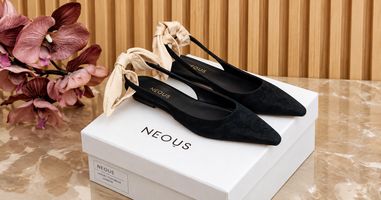
Neous Sandals: How to Choose the Right Style for Your Wardrobe
Neous sandals suit wardrobes built around clean lines, controlled proportions, and footwear that can move from daytime dressing into more polished occasions. Heel height, strap placement, material, toe profile, and visual emphasis usually decide which pair fits a wardrobe best.
A sandal can look minimal in a product image yet become much more noticeable once the toe, heel, straps, and exposed foot are viewed together.
1. Decide How Much Attention the Shoe Should Carry
Some sandals sit quietly beneath an outfit. Others become one of its main visual elements even though they use very little material.
Thin straps, exposed sections of the foot, a defined heel, or an elongated toe can make a small shoe visually prominent.
If your wardrobe already includes strong silhouettes, jewelry, prints, or unusual tailoring, quieter footwear may create better balance. Simpler clothing can support a more directional heel, asymmetric strap, or decorative element without making the outfit feel busy.
2. Check How Heel Height Changes the Front of the Foot
Heel height affects more than overall appearance. As the heel rises, pressure shifts forward, which can make front straps, toe placement, and the amount of exposed foot more important.
A mid-height heel can keep the shoe polished without pushing the foot too aggressively toward the front. Higher heels create a sharper line, but they also make strap placement and front support more critical.
Pay attention to whether the toes remain comfortably positioned and whether the foot appears to slide toward the front edge. On an open sandal, these small fit differences are more visible than they would be inside a closed shoe.
3. Look Closely at Strap Placement
Two sandals can use similar materials yet feel quite different once the straps are arranged differently.
A slim front strap exposes more of the foot and creates a lighter effect. Crossing straps add more structure and can make the footwear more noticeable.
Rear or ankle straps also change how secure the shoe feels. Check where the straps meet the sides of the foot and whether the construction suits your foot width, instep, and expected amount of walking.
4. Decide Whether an Open Sandal Fits Your Wardrobe
The appeal of a sandal comes partly from openness. Less coverage can make cropped trousers, wider-leg pants, dresses, and warm-weather tailoring feel lighter.
That becomes less useful when your wardrobe requires more coverage, frequent outdoor walking, or colder-weather wear. In those cases, a pump, loafer, or closed slingback may work across more situations.
For a product-level example, Neous sandals show how leather, rear support, an open construction, and decorative elements can sit within a polished sandal format.
The real question is whether that amount of exposure suits the clothes, climate, and occasions already present in your wardrobe.
5. Toe Design Changes the Overall Proportion
The front of the shoe affects how it interacts with trousers, skirts, and the visible line of the leg.
A rounded toe feels softer. A square toe introduces a more graphic finish, particularly on a minimal upper. A more elongated front can look sharper beside tailored clothing.
Neither direction works for every wardrobe. Fluid dresses and softer fabrics may suit a quieter front profile, while structured trousers and crisp skirts can support a more angular design.
6. Consider the Space Between Hem and Shoe
Sandals are strongly affected by hem length because more of the foot remains visible.
Full-length trousers may reveal only the toe and heel. Cropped trousers show the strap arrangement. Midi skirts expose even more of the shoe, while shorter hems make the full construction part of the outfit.
The same sandal can therefore look understated under long trousers and much more expressive beside a shorter dress.
Picture the shoe under the hem lengths you wear most before deciding.
7. Use Hem Length and Foot Exposure as a Pair
The most useful sandal is not always the one that works with the largest theoretical number of outfits. What matters more is how much of the shoe will actually remain visible beneath the clothes you wear.
Neous women sandals can work differently under wide-leg trousers, cropped pants, midi skirts, or shorter dresses because each exposes a different amount of the foot and strap construction.
Longer hems reduce visual emphasis and let a more decorative shoe feel quieter. Shorter hems reveal more of the design, so strap placement, toe profile, and embellishment become stronger parts of the outfit.
For a more focused look at rear support and movement, use a closer look at slingback wear.
8. Decide How Formal the Sandal Should Feel
Not every polished sandal needs to read as evening footwear.
Heel profile, material, strap width, toe design, and embellishment all affect how formal the shoe appears. A slim heel and decorative upper can push the design toward dressier use, while broader straps or a quieter finish may make it easier to pair with simpler clothing.
What matters is matching that level of polish to the clothes you actually wear rather than dressing for one isolated occasion.
A sandal that sits between casual and highly formal dressing can usually move across more outfits without looking either underdressed or overly elaborate.
9. Let Color Support the Construction
Neutral shades are frequently described as versatile, but color cannot correct a sandal that does not suit the rest of the wardrobe.
Black adds definition. Pale neutrals create a lighter effect. Browns work well beside warm neutrals, denim, linen, and earth tones. Metallic finishes can behave almost like jewelry.
The more distinctive the heel or strap arrangement, the less color needs to do. A very minimal sandal can use color as its main source of emphasis.
Judge the construction first, then the shade.
10. Leather Matters More on Minimal Designs
Minimal footwear leaves fewer elements to distract from the material, so leather becomes more visible.
Neous leather sandals suit this type of design because the material can add substance without making the shoe visually complicated. Smooth leather sharpens clean lines, while softer finishes can reduce formality.
Dark leather may appear more graphic; pale leather can make the same construction feel lighter.
For a more detailed material comparison, continue to a material-focused look at leather sandals.
11. Keep Decorative Elements Controlled
A bow, buckle, sculptural heel, metallic piece, or unusual strap does not automatically make a sandal difficult to wear.
One decorative feature on an otherwise restrained shoe can become a clear focal element.
A shoe becomes harder to balance when the toe, straps, heel, material, and decoration all demand attention at the same time.
If one decorative feature is the reason you like the shoe, let it remain the main emphasis.
12. Slingback Construction Needs a Separate Fit Check
Rear straps change how a sandal behaves during movement. They can provide more support than a completely open heel, but effectiveness depends heavily on fit.
Neous slingback sandals should be judged by more than side-view appearance. Check how the strap sits around the heel, whether it stays secure during a normal stride, and whether the front allows the foot to sit correctly.
Heel width, instep height, and overall foot length can all affect placement, so fit matters even more when the shoe is intended for longer wear.
13. Let Embellishment Match the Amount of Visible Shoe
Decorative sandals become more noticeable as more of the foot and shoe remain exposed.
A bow, metallic accent, or sculptural element may sit quietly beneath full-length trousers but become much more prominent with a midi skirt or shorter hem.
That does not mean decoration needs to be avoided. It simply works best when the rest of the outfit leaves enough visual space around it.
If the sandal already contains a strong focal element, simpler clothing can keep the overall look controlled.
For styles where embellishment carries most of the visual emphasis, a closer look at decorative sandal styling explores that balance in greater depth.
14. Judge the Shoe as One Complete Composition
The best Neous sandals are not necessarily the most minimal or the most decorative. A successful pair is one where foot exposure, strap placement, heel profile, material, and embellishment feel visually connected.
Start by looking at how much of the foot remains visible. Then check whether the front and rear support feel balanced and whether the shoe carries the right amount of visual weight for the hems you wear most.
From there, material and decoration become easier to judge.
When those elements work as one composition, the sandal feels connected to the wardrobe instead of looking like a separate statement that every outfit has to accommodate.
Clara Bennett
Clara Bennett writes about designer shoes, focusing on materials, proportions, styling, and the small design differences that change how a pair looks and wears. Her articles look closely at individual styles and how they fit into everyday, work, and occasion dressing.