
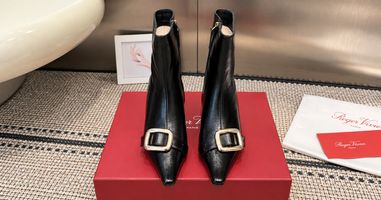
Are Roger Vivier Canard Boots Worth Adding to Your Wardrobe?
Roger Vivier Canard boots are worth considering for women who appreciate sculpted footwear, tailored clothing, and distinctive hardware. Their elongated squared toe and decorative buckle give them a recognizable appearance, while the heeled construction makes them better suited to polished occasions than demanding walking routines.
The toe and buckle contribute different visual effects. One extends the front of the shoe; the other interrupts that length with a compact detail. Together, they produce an appearance that is difficult to achieve using a conventional ankle boot.
Whether they deserve a place in a wardrobe depends on how those features complement existing clothes, personal comfort preferences, and the situations in which the footwear will be worn.
1. The Appeal of a Distinctive Ankle Boot
The first noticeable feature of Canard is its extended front. The toe draws the eye forward, giving the shoe a recognizable profile even before the buckle becomes apparent.
That relationship matters because ankle boots have relatively little exposed surface compared with taller styles. A carefully considered front can provide much of the design's character without elaborate decoration.
The upper remains compact enough to fit beneath different trouser cuts. A taller shaft would require more attention to calf coverage and fabric placement, while an ankle-length design offers greater flexibility.
Canard's details are concentrated in specific areas. The extended toe provides definition near the floor, and the buckle introduces an accent closer to the instep. This arrangement makes the footwear recognizable even when the surrounding clothing remains understated.
2. A Design Rooted in Parisian Footwear
The Canard line draws inspiration from Roger Vivier's archival designs, bringing recognizable elements into contemporary footwear.
Across Roger Vivier boots, decorative hardware and carefully considered proportions contribute to the house's identity. Canard expresses those characteristics through an extended toe, a defined heel, and an ornamental buckle.
The front establishes the direction of the design, while the hardware introduces a contrasting element. The heel completes the profile from the side, giving the shoe a different appearance from models built around thick platforms or substantial outsoles.
The archival connection is particularly relevant here. Rather than reproducing a vintage outfit, the design allows a historically influenced footwear detail to sit beside contemporary clothing.
A wool coat, clean-cut trousers, or a modern tailored jacket can provide that setting without making the overall appearance feel deliberately retro.
3. What Makes the Toe Profile Different
The elongated squared toe is central to the Canard design, but its importance goes beyond being visually recognizable.
Viewed directly from above, the front narrows before ending in a defined squared edge. From the side, the extended toe contributes to the overall length of the shoe. These two perspectives explain why a product photograph showing only one angle may not fully communicate its proportions.
The distinction is especially important for shoppers accustomed to conventional rounded ankle boots.
A rounded front usually produces a shorter-looking outline. Canard's extended toe places greater visual emphasis on the space ahead of the instep, making the shoe appear more directional.
This effect can be attractive to women who prefer footwear that contributes a clear architectural element to an outfit.
It also introduces a practical styling consideration. The front will remain visually noticeable even when the rest of the boot is partly covered. Someone who prefers a subtle, compact toe may find this design more pronounced than expected.
One important limitation is that exterior length does not establish interior comfort. The extended front should not be mistaken for guaranteed additional toe space, particularly for wider feet.
The design is best evaluated from several angles, with appearance and actual fit treated as separate questions.
4. A Closer Look at the Decorative Buckle
A buckle changes more than the amount of decoration on a shoe. Its position and scale influence how the surrounding upper is perceived.
On Viv' Canard ankle boots, the hardware creates a visual interruption along an otherwise elongated front. Without that detail, the eye would follow the upper toward the squared toe with fewer distractions.
The buckle gives the viewer another point of reference.
This becomes clearer when examining the relationship between the hardware and the front of the boot. The toe extends outward, while the decoration introduces a smaller, more concentrated element. Their contrasting proportions are part of what makes the design distinctive.
Specific Canard versions can differ in their decorative treatment, so the exact buckle, strap, and surface details should be checked for the selected pair.
Hardware remains visible in many situations where the heel is concealed, especially when trousers cover part of the shoe. It provides a recognizable detail even when the full construction cannot be seen.
For shoppers who appreciate decorative footwear but dislike ornamentation spread across the entire upper, this concentration of detail offers a particular advantage.
5. Finding the Right Place in a Wardrobe
Before choosing distinctive footwear, consider how frequently the existing wardrobe calls for a polished ankle boot.
A woman who regularly wears tailored pants for work and keeps a few structured dresses for evenings already has several potential uses for the design.
Roger Vivier Canard boots can contribute something different to these clothes without requiring a dramatic change in personal style.
Look at the trousers worn most frequently. Consider whether their hems are appropriate for heeled boots. Examine the jackets and coats used during cooler months, particularly those with a more structured appearance.
If several familiar outfits already accommodate the proportions, the boots have a clear role.
Someone whose daily clothing consists almost entirely of athletic pants, oversized casual pieces, and flat footwear may find the design difficult to incorporate.
An attractive shoe becomes a worthwhile addition when it supports a way of dressing that already exists.
6. How the Heel Changes the Overall Look
The heel completes the Canard profile by influencing the relationship between the upper and the ground.
A defined heel creates visible separation beneath the back of the shoe. This gives the side view a different character from an ankle boot built on a continuous, heavy sole.
With tailored clothing, the difference becomes apparent. A trouser hem that falls cleanly around the upper allows the heel to remain a smaller but meaningful part of the design. Beneath a skirt, the full construction becomes easier to examine.
Different Canard versions may have different heel specifications, so comparisons should use the measurements of the actual model rather than assumptions about the collection.
A heel that looks proportionate in a product photograph may still be unsuitable for someone accustomed exclusively to flat shoes.
Visual appeal and personal comfort deserve separate consideration.
7. Leather and Suede in Daily Outfits
Material selection influences how the design interacts with light, clothing, and decorative hardware.
Smooth leather produces a clearer reflective surface. This can emphasize the transition between the extended toe and the upper, especially under direct lighting.
In Roger Vivier Canard leather boots, that surface quality can reinforce the defined appearance of the front while allowing the buckle to remain visually distinct.
Suede creates a different impression.
Its textured finish softens reflected light and produces a less sharply defined surface. This can make the hardware appear more prominent against the surrounding material.
Clothing preferences offer a useful guide.
A wardrobe dominated by crisp tailoring and smooth fabrics may benefit from the contrast provided by leather. One containing brushed wool, knitwear, and softer seasonal textures may pair comfortably with suede.
The distinction is primarily aesthetic at this stage. Material durability, cleaning requirements, and exposure to moisture are separate considerations that should be evaluated using the care instructions for the chosen finish.
8. Dressing Around a Defined Silhouette
The most useful styling test begins with an outfit that is already complete.
Imagine tailored trousers, a fine knit, and a familiar coat. Replace the usual shoes with Canard and examine what happens to the overall proportions.
Does the extended front make the trouser hem appear more deliberate? Does the buckle add enough detail, or does it compete with accessories already present?
A second test involves clothing worn outside work. Dark denim and a simple jacket can show whether the design feels comfortable in a less formal setting.
The footwear introduces decorative hardware and a heeled profile into an otherwise casual arrangement. That contrast may be exactly what the wearer wants, or it may feel more formal than intended.
For additional ideas, outfit combinations for structured ankle boots can help explore specific trouser proportions, dress lengths, and outerwear choices.
The key is to identify combinations that suit an existing personal style rather than creating outfits that will rarely be repeated.
9. Where These Boots Work Best
An office with a polished dress code offers an appropriate setting for this type of footwear. Tailored trousers, fine knitwear, and structured jackets can accommodate the extended toe and buckle without making the outfit unusually formal.
Restaurants and evening appointments provide another opportunity. The design introduces a dressier finish while retaining the coverage of an ankle boot.
Indoor cultural events, gallery visits, and short social outings may also suit the style, depending on the amount of walking involved.
Travel requires more careful judgment.
A weekend itinerary involving dinners and short journeys between locations is different from a day spent exploring a city on foot. The same boots might suit one activity while being impractical for the other.
The design is more useful for selected occasions than as a universal replacement for casual footwear. Recognizing that distinction helps buyers determine whether it fills an actual gap in their collection.
10. Balancing Elegance and Practicality
The practical value of Roger Vivier Canard boots depends on conditions that are not always obvious in product photographs.
Start with the walking surface.
Smooth indoor floors, dry sidewalks, and uneven outdoor pavement place different demands on footwear. The sole material and tread of the selected model deserve attention, particularly if the boots will be worn beyond short indoor appointments.
Next, consider the heel.
Its visual proportions may complement tailored clothing, but that does not establish how comfortable it will feel after several hours. Familiarity with heeled footwear and the amount of standing required are more useful considerations than appearance alone.
Entry and removal also matter.
Some Canard ankle boot versions use a side zipper. Checking its placement and the construction around the ankle can help buyers understand how the shoe is put on, although neither feature guarantees a particular fit.
Weather creates another boundary. Suede and smooth leather have different maintenance needs, and dress footwear should not be assumed suitable for prolonged exposure to water or winter road conditions.
A helpful purchasing question is whether the planned occasions match the footwear's construction.
If the answer involves mostly indoor activities and manageable walking distances, the design may be a reasonable choice. Frequent outdoor movement in unpredictable conditions suggests that a more practical alternative could receive greater use.
11. What to Consider Before Choosing a Size
The extended front of Canard can make it difficult to judge fit from appearance alone.
The first concern is the forefoot. Toes need adequate room, but the visible length of the shoe does not reveal how the internal space is distributed.
Heel security is equally important. Excessive movement can affect how confidently a person walks, particularly in heeled footwear.
The ankle opening introduces another variable.
A boot that fits the foot correctly may still feel restrictive around the lower ankle. Hosiery thickness, the upper material, and individual ankle proportions can all affect the result.
When comparing sizes, use guidance provided for the specific model. A recommendation associated with one suede version should not automatically be applied to another construction.
For a closer evaluation, boot fit and sizing details explain which areas deserve attention before choosing a size.
Trying the footwear under realistic conditions, when possible, provides more useful evidence than relying exclusively on photographs or general brand sizing expectations.
12. Seasonal Versatility
Ankle boots can fit into several seasonal wardrobes without requiring the heavier construction associated with winter-specific footwear.
During early fall, tailored trousers and lightweight coats provide a natural setting. The ankle-height upper offers coverage without requiring heavy winter clothing.
Cooler weather introduces wool trousers, substantial knits, and longer coats that can complement the defined footwear profile.
Canard leather ankle boots may be particularly appealing for wardrobes moving between these types of clothing because the smooth finish retains a clear visual contrast against different fabric textures.
Spring presents another opportunity, especially on days when closed footwear remains desirable but insulated boots feel unnecessary.
These possibilities do not make the design suitable for every weather condition.
Wet pavement, snow, and treated winter roads may require footwear with more appropriate protection or traction. Care recommendations should be checked for the material and construction selected.
Seasonal usefulness depends on the climate and how the boots will be worn, rather than the number of months in which they could theoretically appear in an outfit.
13. Long-Term Wardrobe Value
A useful way to judge long-term value is to examine the next four weeks of an ordinary schedule.
Count the occasions when a polished heeled ankle boot would be appropriate. Work meetings, dinners, appointments, and certain social events may qualify. Errands that involve extensive walking or unpredictable weather may not.
This exercise provides a more realistic answer than simply asking whether the design is versatile.
The second consideration is whether its distinctive details will remain appealing after repeated wear.
Canard's elongated toe and decorative buckle are central to its identity. They are not temporary features that can be removed when a simpler appearance is preferred.
Someone who consistently enjoys expressive footwear may appreciate that consistency. A person who frequently changes between decorative and minimalist styles might prefer a less recognizable everyday boot.
There is also the question of maintenance.
The condition of the upper, heel tips, and hardware can affect how polished the footwear appears over time. Proper storage and material-appropriate care are therefore part of the ownership decision.
None of these considerations requires predicting fashion trends.
The more useful assessment is whether the wearer has recurring occasions, suitable clothing, and a lasting preference for the design itself.
That combination provides a stronger basis for repeated use than initial visual excitement.
14. Making the Final Wardrobe Decision
Canard is most convincing for women who appreciate a clearly defined shoe design and already wear clothing that accommodates heeled ankle boots.
Its extended squared toe and decorative buckle provide a recognizable character, while the compact upper works beside tailored outfits.
The decision becomes less convincing when the intended use involves prolonged walking, difficult weather, or clothing that rarely calls for polished footwear.
Before choosing a pair, check the exact model's heel measurements, sizing guidance, upper construction, and material rather than relying on the collection's overall appearance.
A more detailed look at leather and suede material choices can help determine which version is appropriate for the wearer's clothing and daily conditions.
The strongest reason to choose Canard is that its distinctive details suit the wearer's preferences, practical needs, and actual opportunities to wear it.
Clara Bennett
Clara Bennett writes about designer shoes, focusing on materials, proportions, styling, and the small design differences that change how a pair looks and wears. Her articles look closely at individual styles and how they fit into everyday, work, and occasion dressing.