
Clara Bennett | 22 days ago

Alaïa Slingback Pumps: A Closer Look at the Le Cœur Design

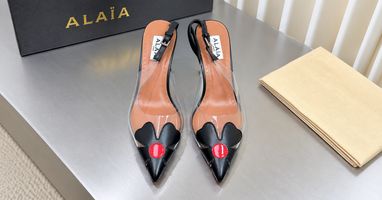
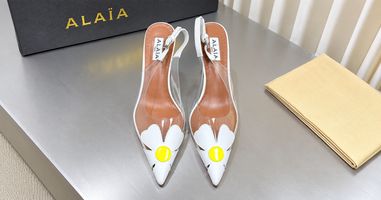
A pointed front, open heel, slim strap, and distinctive heart motif give Alaïa slingback pumps a balance between classic dress footwear and a more expressive evening design.


Much of the character comes from contrast. Attention gathers near the toe, while the open rear removes some of the visual mass associated with a closed pump.


That relationship between front and back affects how the pair reads from different angles, which makes proportion as important as color or finish.


1. The Front Sets the First Impression


The pointed toe creates a long line before the heart motif becomes the main focus. From a distance, the shoe first appears streamlined; closer up, the decorative front changes its character.


Cropped trousers expose more of the toe, while longer hems reveal only part of the front. Dresses and skirts show the full construction, giving the motif greater presence.


The effect therefore changes according to how much of the shoe remains visible.


2. The Open Heel Keeps the Profile Lighter


A closed pump creates one continuous line from toe to heel. A slingback interrupts that line behind the foot, leaving more skin visible and reducing the amount of material seen from the side.


The slim strap defines the rear without producing the heavier outline of a full heel counter.


That difference is especially clear from side and three-quarter views, where the pointed front and exposed heel create two very different visual zones.


3. The Le Cœur Motif Changes the Visual Center


Decoration near the front changes where attention lands. Heel height and toe length remain important, but neither becomes the dominant feature.


Instead, Alaïa Le Cœur slingback pumps concentrate most of their character around the upper front while leaving the sides and rear comparatively restrained.


That concentration helps the motif remain recognizable without requiring additional ornament elsewhere on the shoe.


Straight skirts, simple dresses, and controlled tailoring give the front feature enough room to register clearly.


4. The Toe Creates a Longer Lower Line


The pointed front does more than change how the shoe looks from above. It extends the lower outline beyond the foot and creates a longer finishing line below the ankle.


This becomes especially noticeable when the shoe is viewed beside straight trouser legs or narrow skirt hems.


A rounded or square toe would stop that line earlier. Here, the front continues forward before ending, which gives the shoe a sharper profile even when most of the upper remains understated.


The effect is structural rather than purely decorative, so it remains visible even when the heart element is partly covered.


Hem length can change what appears first.


5. Patent and Smooth Finishes Affect the Mood


Surface finish can shift the pair from restrained to more noticeable before color even enters the decision.


Gloss catches light quickly and makes the front decoration easier to notice. A smoother, less reflective surface places greater emphasis on the outline.


Material treatment therefore changes how Alaia slingback pumps behave beside satin, wool, denim, or structured tailoring.


Matching textures is unnecessary. A controlled contrast between clothing and footwear can give both surfaces more definition.


6. Side Views Reveal the Construction Best


The shoe looks different from the front than it does from the side.


From straight ahead, the pointed toe and heart motif dominate. Turn slightly, and the gap behind the heel becomes more important, while the strap creates a thin horizontal interruption across the rear.


This angle also shows how little material connects the front and back visually.


That separation is one of the features that distinguishes the design from a conventional closed pump. It gives the shoe a lighter side profile even though the front carries a strong decorative element.


7. A Clean Outfit Lets the Front Detail Work Harder


A recognizable shoe does not require equally decorative clothing.


Simple trousers, a fitted knit, a column dress, or a plain skirt can provide enough contrast for the footwear to become the main focal element.


Alaïa slingback pumps keep their strongest feature near the front, so they work particularly well beside pieces with fewer competing accents.


Texture, jewelry, or a structured bag can still add interest. Spacing those elements around the outfit prevents too much visual activity from gathering in one area.


For dressier settings, one or two clear focal features usually create a cleaner result than several strong motifs close together.


8. Shorter Hems Put More Emphasis on the Heel


Mini skirts and shorter dresses expose almost the complete shoe.


The slingback strap becomes easier to notice, as does the transition from upper to heel. The rear construction therefore carries more visual weight than it does beneath longer clothing.


Bare legs create greater separation between garment and footwear, while tights form a more continuous vertical line.


This makes shorter hems particularly useful for showing the front-to-back contrast built into the design.


9. Color Determines How Quickly the Shoe Is Noticed


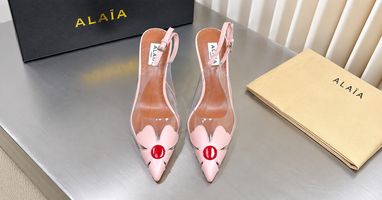
Black creates strong definition beside lighter clothing or exposed skin. A lighter shade softens that contrast and makes the pointed profile less forceful.


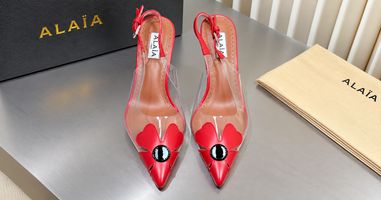
Deep red and similar tones introduce more visual weight without relying entirely on gloss or ornament.


Color matching is not essential. Using the shoe as the only saturated element can make its form clearer, while repeating a related tone elsewhere creates a subtler connection.


A restrained surrounding palette usually leaves more room for the heart motif to remain distinct.


10. The Pair Changes Character With Fabric Weight


Heavy fabrics and fluid fabrics frame this shoe differently.


Wool trousers, dense tailoring, or thicker skirts create a stronger material contrast against the exposed heel. Lighter fabrics allow the shoe to feel more continuous with the rest of the look.


That difference can be useful when styling Alaïa Le Cœur pumps outside formal evening settings. A fine knit and tailored trouser produce one effect; a flowing dress produces another.


The shoe itself remains unchanged, but the surrounding fabric determines whether it reads sharper, softer, or more decorative.


For a closer look at the specific construction and design details, explore the Le Cœur style analysis.


11. Bags Do Not Need to Repeat the Heart Motif


A recognizable decorative element does not need to appear again elsewhere.


A clean shoulder bag, compact top-handle style, or simple clutch can support the shoe without competing against the front feature.


Strong hardware on both footwear and bag can make the lower half of an outfit feel busier, so keeping one accessory quieter usually improves separation.


Matching the bag to the clothing rather than the shoe can also prevent the accessories from looking overly coordinated.


12. The Best View Is Not Always From the Front


This design rewards movement because different features become noticeable from different angles.


Walking brings the slingback strap into view, then shifts attention back toward the pointed front as the foot moves forward. Sitting exposes more of the side construction and heel opening.


That changing perspective is important because the shoe does not depend on one decorative surface.


The front motif provides recognition, while the open rear and slim strap become clearer once the wearer moves. This gives the pair more dimensional interest than a shoe whose strongest feature is visible only from straight ahead.


13. Who Will Get the Most Use From This Pair?


Someone who wants a pointed dress shoe with a recognizable front feature, but not decoration spread throughout the whole design, is likely to get the most from this pair.


Wardrobes built around tailoring, skirts, dresses, and cleaner silhouettes provide enough visual space for the heart motif and open heel to remain distinct.


Very long trousers conceal more of the construction, although the toe can still appear beneath the hem.


For someone who prefers footwear that can shift between restrained daytime dressing and more decorative evening combinations, Alaïa slingback pumps offer that flexibility through proportion rather than excessive ornament.


Those details can also read differently from other angles.

Clara Bennett

Clara Bennett writes about designer shoes, focusing on materials, proportions, styling, and the small design differences that change how a pair looks and wears. Her articles look closely at individual styles and how they fit into everyday, work, and occasion dressing.

More Posts

Alaïa Le Cœur Slingback Pumps: Understanding the Details Behind the DesignAlaïa Le Cœur Slingback Pumps: Understanding the Details Behind the Design
Alaïa Le Cœur Slingback Pumps: Understanding the Details Behind the Design

Alaïa Le Cœur slingback pumps combine a pointed silhouette, open-back construction, and a recognizable heart-shaped front element. Instead of placing decoration throughout the shoe, the design focuses attention on one distinctive area while keeping the surrounding form clean.


The appeal comes from the connection between ornament and proportion. The front creates recognition, while the open rear changes the rhythm of the silhouette.


Examining these individual elements shows how the Le Cœur approach creates a different expression within slingback footwear.


1. The Heart Element Creates the Main Recognition Point


The heart detail is the feature that immediately separates the shoe from a traditional pointed pump.


Rather than covering the upper with multiple accents, the motif stays concentrated near the toe. This keeps the rest of the surface quiet and allows the overall outline to remain clear.


The placement gives the shoe a recognizable character without changing the refined foundation of a classic pump.


Its effect comes from location and proportion, not from excessive decoration.


2. The Slingback Structure Creates a Different Balance


A closed pump forms a continuous connection from toe to heel. A slingback changes this by opening the rear area and creating more space around the ankle.


The exposed section behind the foot gives Alaia Le Coeur slingback pumps a lighter side profile. The strap defines the rear while allowing the pointed front to remain visually important.


This separation between front and back creates a more open appearance than a fully enclosed pump.


3. Material Finish Changes the Expression


Surface treatment influences how the main elements appear.


A glossy finish reflects light around the heart motif and pointed toe, making these areas easier to notice. A smoother finish reduces reflection and places more attention on the outline.


Material contrast also affects the relationship between footwear and clothing. Structured fabrics create clearer definition, while softer textures create a quieter transition.


The silhouette remains central, but the finish changes its overall mood.


4. The Pointed Toe Defines the Proportion


The pointed front determines how the shoe extends forward and how the lower outline is formed.


This construction is one reason Alaïa Le Cœur pumps can create a sharper impression even with limited decoration. The elongated toe provides direction, while the heart element adds a focused visual reference.


The ornament works because it sits within a strong foundation. The toe shape establishes the character before the decorative feature is noticed.


5. The Open Rear Changes the Visual Flow


The rear opening becomes more noticeable through movement.


As the foot changes position, the relationship between the pointed front, ankle strap, and exposed heel becomes clearer. Different angles reveal different parts of the construction.


Unlike a closed pump with one continuous upper, the slingback design creates separate visual sections.


This gives the shoe more variation without adding additional elements.


6. Simple Clothing Creates More Focus


A detailed shoe does not require equally detailed clothing.


Clean tailoring, simple dresses, and understated separates leave enough space for the main elements to remain clear.


When several decorative features appear together, attention becomes divided. A more controlled outfit allows the heart element, pointed shape, and open construction to remain visible.


The balance comes from allowing each piece enough room rather than reducing every other detail.


7. Front and Rear Elements Create the Signature Shape


The strongest characteristic of the design comes from the relationship between its two main sections.


The front carries the recognizable motif, while the rear introduces openness and movement. Together, they create a silhouette that changes depending on viewing angle.


This relationship is what separates Alaïa Le Cœur slingback shoes from a simple pointed slingback.


The identity of the pair comes from how the toe, heart element, strap, and heel opening work together as one construction.


8. Color Influences Detail Visibility


Color changes which parts of the shoe attract attention first.


Dark shades usually create stronger outlines, making the pointed toe and heart motif easier to notice. Softer tones reduce contrast and allow the overall construction to become more prominent.


A stronger color can increase the presence of the front element, while quieter shades highlight the relationship between materials and proportions.


The surrounding palette also affects whether the shoe feels more expressive or more restrained.


9. The Le Cœur Approach Balances Ornament and Restraint


The combination of pointed shape, open rear, and focused front decoration gives the model a clear visual direction.


Unlike a simple slingback that relies mainly on shape, Alaïa Le Cœur slingback pumps use carefully placed ornament to create recognition while keeping the rest of the silhouette controlled.


The heart element does not replace the structure of the shoe. It works together with the toe shape and open construction, creating a recognizable design without adding unnecessary complexity.


10. Accessories Should Support the Main Detail


Because the shoe already has a defined focal area, accessories can remain controlled.


A simple bag or understated jewelry can support the overall look without competing with the heart motif.


Strong hardware or several decorative pieces may shift attention away from the footwear.


The most balanced combinations allow the shoe to remain the strongest individual feature.


11. The Side View Reveals the Construction


The side profile shows how each part contributes to the final outline.


The pointed front extends forward, the strap creates a break near the ankle, and the open rear keeps the shape lighter.


This angle explains why the pair remains interesting even when the heart element is not immediately visible.


The overall effect comes from spacing, proportion, and movement working together.


12. A Distinct Direction Within Slingback Footwear


The combination of pointed shape, open construction, and focused decoration creates a recognizable direction within slingback footwear.


Alaïa slingback shoes show how a single design element can work with proportion and structure rather than overpowering the entire silhouette.


The Le Cœur concept depends on contrast: a defined front, an open rear, and carefully controlled details.


That approach allows the shoe to remain distinctive while maintaining a refined overall appearance.
Alaïa Le Cœur Slingback Pumps: How Do Outfit Proportions Change Their Look?Alaïa Le Cœur Slingback Pumps: How Do Outfit Proportions Change Their Look?
Alaïa Le Cœur Slingback Pumps: How Do Outfit Proportions Change Their Look?

Alaïa Le Cœur slingback pumps can look noticeably different depending on how much of the shoe remains visible, where a hem ends, and how closely the clothing frames the ankle. The pointed front and open rear stay the same, but their visual weight shifts as the surrounding proportions change.


That makes this pair especially responsive to trousers, skirts, dresses, and lower-body volume. Rather than treating the shoe as one fixed statement piece, it is more useful to look at how clothing frames the heart detail, toe line, strap, and heel opening.


1. Cropped Trousers Expose the Full Front


A cropped trouser leaves the pointed toe and heart-shaped front element almost fully visible, creating a stronger lower focal area than a longer hem would.


Straight cuts frame the shoe clearly because the trouser opening sits above it with little interruption. A wider crop introduces more fabric around the ankle, placing the front detail against a broader base.


The width of the opening also changes the space around the footwear. A compact cut keeps the toe closely connected to the trouser line, while a wider one creates more separation.


The same shoe can therefore appear sharper beneath a controlled crop or more expressive below a broader silhouette.


2. Ankle-Length Cuts Create a Tighter Frame


A hem ending close to the ankle leaves less empty space between clothing and footwear. This makes the shoe feel more integrated into the lower line.


The open rear remains visible from side angles, while the pointed front carries more attention from straight ahead. That tighter frame can make Alaïa Le Cœur shoes appear sharper without requiring a shorter cut.


Slim ankle openings emphasize the toe line; slightly wider openings soften the transition from fabric to footwear.


The difference comes from the frame around the shoe rather than a change in the shoe itself.


3. Longer Trousers Reduce the Decorative Impact


A full-length trouser can cover much of the upper and leave only the pointed front visible during movement.


This reduces the prominence of the heart element and shifts attention toward the toe. The shoe can read more like a refined pointed pump until the hem lifts enough to expose additional detail.


Walking creates brief changes in visibility, while sitting may reveal a larger section as the fabric rises above the ankle.


Wide-leg trousers increase this effect because the shoe appears and disappears beneath greater fabric volume.


This makes longer trousers useful when the decorative front should feel more restrained.


4. Narrow Skirts Keep the Lower Line Controlled


Straight and pencil-style skirts create a stable vertical outline, allowing the footwear to act as a clear finishing element rather than part of moving fabric.


Under this type of silhouette, Alaia Le Coeur pumps benefit from the contrast between a controlled skirt line and the more expressive heart detail.


A hem ending above the ankle leaves enough room for the pointed front and slingback strap to remain distinct.


Longer narrow skirts reduce how much of the rear construction remains visible and place greater emphasis on the toe.


5. Fuller Skirts Change the Rhythm


More fabric introduces movement around the lower body.


A fuller midi skirt can alternately expose and cover parts of the shoe, making the heart detail less constant while revealing the open heel from changing angles.


Volume matters as much as length. A lightly flared skirt leaves a clearer lower frame, while a fuller construction creates more interruption around the footwear.


The shoe becomes part of the movement rather than a fixed focal element, especially when the hem repeatedly crosses the front and rear sections.


6. The Best Proportion Depends on How Much of the Shoe You Want to Show


The most useful starting point is deciding whether the footwear should be immediately noticeable or appear more gradually.


Shorter or cleaner hems reveal more of the pointed front, strap, and open heel. Longer or fuller clothing reduces that exposure and lets the shoe appear in smaller sections.


For a clear view of the complete construction, Alaia Le Cœur slingback pumps work best when the ankle area is not heavily covered.


More coverage can still work when the heart detail should feel quieter, especially if the rest of the outfit already has a strong lower silhouette.


The choice is mainly about visibility and proportion.


7. Trouser Break Changes What Appears First


Two trousers can reach nearly the same length yet frame the shoe very differently depending on how the fabric meets the foot.


A clean break leaves the toe visible without adding extra folds near the front. This gives the pointed line a clearer ending and makes the heart element easier to read whenever it remains exposed.


More fabric gathering over the shoe creates a softer transition. The front decoration may appear only in sections, while the pointed toe becomes the most consistent visible feature.


A wider trouser can also fall differently on each step, sometimes covering one side of the shoe more than the other.


This makes trouser break a separate decision from overall length. Even small changes near the hem can determine whether the first impression comes from the toe, the motif, or the surrounding fabric.


8. Slits Reveal the Shoe in Narrow Sections


A skirt slit changes visibility without shortening the entire hem.


A front slit tends to reveal more of the pointed toe as the leg moves forward. A side slit can expose the strap and heel opening from a different angle, especially during walking.


Because the opening appears only through movement, the shoe is not continuously on display.


This creates a more selective view than a shorter skirt would. The heart element may appear briefly, then disappear again as the fabric closes.


A slit therefore allows a longer silhouette to retain coverage while still showing specific parts of the footwear.


9. Asymmetrical Hems Shift the Focal Area


An uneven hem does not frame both sides of the shoe in the same way.


One side may expose more ankle and rear strap, while the longer section partially covers the opposite side. That difference changes how the footwear is read from front, side, and three-quarter views.


The effect is particularly noticeable when Alaïa slingback pumps appear beneath a hem that rises on one side rather than ending at one consistent level.


Instead of presenting the whole shoe at once, the clothing directs attention toward selected areas.


That can make the pointed toe, heart detail, or open rear become dominant at different moments without changing the footwear itself.


10. Standing and Seated Views Are Not the Same


Hem position changes once the body moves from standing to sitting.


Full-length trousers usually rise at the ankle when seated, revealing more of the upper than they do while standing. A skirt can also shift upward or open differently around the leg.


This matters for a slingback because additional exposure does more than reveal the front. It may also bring the strap and heel opening into view.


An outfit that looks restrained while standing can therefore show much more of the shoe once seated.


This is useful to consider for dinners, meetings, or other settings where the wearer spends significant time sitting. The visible proportion is not fixed throughout the day.


11. The Shoe Works Best When the Surrounding Proportions Stay Deliberate


The strongest combinations usually have a clear decision behind how much of the footwear is exposed.


Longer trousers reduce the decorative impact. Cropped cuts reveal the pointed front. Skirts can expose the shoe through length, movement, slits, or an uneven hem rather than relying on one fixed opening.


The main question is which part should carry the attention. A cleaner ankle line gives the rear strap and heel opening more presence, while greater coverage shifts emphasis toward the pointed toe.


That flexibility is one reason Alaïa Le Cœur slingback shoes can move between restrained and more expressive outfits without changing their basic character.


The most effective proportion supports the intended focal area rather than revealing every feature at once.


Clothing length, width, openings, and movement ultimately decide which part becomes visible first.

Alaïa Le Cœur Slingback Pumps: How Do They Look From Different Angles?Alaïa Le Cœur Slingback Pumps: How Do They Look From Different Angles?
Alaïa Le Cœur Slingback Pumps: How Do They Look From Different Angles?

Alaïa Le Cœur slingback pumps do not present the same way from every viewpoint. Straight ahead, the pointed front and heart detail carry most of the attention. From the side, the open heel and slim strap become more important, while movement changes how these elements connect.


Walking, standing, turning, and sitting each reveal a different part of the construction. Looking at those shifts helps explain why the pair can feel sharper from one direction and lighter from another.


1. The Front View Concentrates Attention Near the Toe


Seen straight ahead, most of the visual information sits near the front.


The pointed toe creates a clear directional line, while the heart element interrupts that streamlined outline with a recognizable detail.


Because the rear construction is mostly hidden from this position, the shoe can initially appear closer to a conventional pointed pump than it does from the side.


That changes once the viewing angle moves away from the front.


2. A Three-Quarter View Shows More of the Construction


Turning slightly reveals details that disappear in a direct front view.


The toe still leads the silhouette, but part of the slingback opening becomes visible behind it. This creates a clearer relationship between the defined front and lighter rear.


A three-quarter angle also shows how the heart motif sits within the upper rather than appearing as an isolated ornament.

This is often where the shoe's front and rear features become easiest to read together.


3. Side Views Make the Open Heel More Important


From the side, the heart detail no longer dominates the entire impression.


The gap behind the foot becomes much more noticeable, and the strap forms a narrow connection around the rear. That gives Alaia Le Coeur shoes a lighter profile than the front view suggests.


The pointed toe still extends the line forward, but the exposed heel prevents the silhouette from feeling continuous or enclosed.


The result is a defined front paired with a more open back.


4. The Rear View Reduces the Presence of the Heart Detail


From behind, the main decorative element nearly disappears.


Attention shifts toward the heel, strap placement, and open space around the back of the foot.


This shows how little the design depends on repeating ornament around the entire shoe. The rear remains comparatively restrained.


As a result, the pair can look much quieter from behind than from the front.


5. Turning the Foot Changes the Balance


Small changes in foot position can alter which feature appears strongest.


A foot angled outward exposes more of the side and rear opening. Turned slightly inward, the pointed front and upper return to prominence.


This gives Alaïa Le Cœur pumps a more changeable silhouette than footwear where all major details sit on one flat surface.


Even a subtle shift in stance can change how much of the slingback construction remains visible.


6. Walking Creates a Front-to-Rear Sequence


Movement introduces a pattern that does not exist in a static pose.


As the foot moves forward, the pointed toe and front detail appear first. The side opening follows, then the strap and heel become easier to see as the leg passes.


Each step therefore reveals the design in stages.


That sequence gives the shoe more dimensional interest than a single static view can show.


7. Standing Still Makes Proportion Easier to Read


When the wearer is stationary, the relationship between each section becomes clearer.


The pointed front establishes length, while the open back reduces the amount of material visible around the foot.


A straight stance gives the most balanced reading of those proportions.


Shifting weight onto one leg can reveal slightly more of the strap and side opening, changing the profile without altering the overall stance.


8. A Lower Viewing Angle Changes the Emphasis


Viewing the shoe from a lower position changes which parts appear closest and most prominent.


The front surface, toe line, and heart detail can occupy more of the visual field, while the rear opening becomes easier to inspect because the eye is closer to the level of the shoe.


Seen this way, Alaïa Le Cœur shoes reveal more of the relationship between the upper, strap, and heel opening than they do from a typical standing eye level.


The pointed front may appear longer, while the open rear creates stronger separation around the heel.


This angle is useful because it changes the perceived proportions without relying on clothing length or movement.


9. Crossing the Legs Changes the Dominant Angle


Crossing one leg over the other turns the shoe away from a straight front presentation.


The side profile becomes more visible, particularly the strap and heel opening.


Depending on the direction of the crossed leg, the heart detail may remain fully visible or appear only in part.


The pointed toe still keeps the overall line defined even when the front no longer faces directly forward.


10. Distance Changes Which Detail Registers First


From farther away, the overall outline matters more than small decorative details.


The pointed toe and open rear are easier to notice before the heart motif becomes clear. As the viewer moves closer, Alaia slingback pumps reveal more of their front detail and surface finish.


At a distance, proportion carries the design; closer up, the heart element becomes the stronger identifying feature.


This allows the pair to remain distinctive at more than one viewing distance.


11. Lighting Can Shift Attention Between Surface and Shape


Light changes what becomes noticeable first.


Direct light can emphasize glossy surfaces and make the heart detail stand out more clearly. Softer lighting reduces reflection and places more emphasis on the silhouette.


Side lighting can define the open heel more strongly by increasing contrast around the gap behind the foot.


The same shoe can therefore appear more decorative or more structural depending on the lighting.


12. Photos and Real Movement Do Not Show the Same Shoe


A product photo usually captures one carefully selected angle.


Real wear is less fixed. The foot turns, the ankle bends, and the shoe appears differently from moment to moment.


A straight image may emphasize the heart motif, while movement gives the strap and heel opening much more presence.


Seeing the pair from several directions therefore gives a fuller picture than relying on one static view.


13. The Design Changes Without Losing Its Identity


The strongest feature of this pair is not that every angle looks the same.


From the front, the pointed toe and heart element lead. From the side, the open heel becomes more important. From behind, the shoe appears quieter.


That changeability gives Alaïa Le Cœur slingback shoes a more dimensional character than footwear defined by one flat decorative surface.


Movement shifts attention from one section to another, yet the key elements remain connected.


The pointed front, heart motif, slingback strap, and open heel continue to identify the pair even when their visual importance changes.