
Clara Bennett | 1 hour ago

What Makes the Furla 1927 Mini Bag Work for Everyday Use?

The 1927 Mini can work as an everyday furla bag for someone who carries a compact set of essentials and prefers a structured finish. Its top handle, removable shoulder strap, organized interior and secure front closure give the small format enough flexibility for daytime plans, dinners and shorter outings.


The main question is whether its proportions, storage arrangement and carrying options match what you regularly bring.


1. Compact Size Works Best With an Edited Daily Carry


The 1927 Mini suits people who already carry selectively rather than those who regularly add extra items during the day.


A compact format can still be practical when the essentials are slim and deliberately arranged. Several bulky pieces, however, quickly compete for the same interior depth.


Its structured construction also keeps the exterior composed after packing instead of expanding freely around the contents.


2. Defined Construction Gives the Mini More Presence


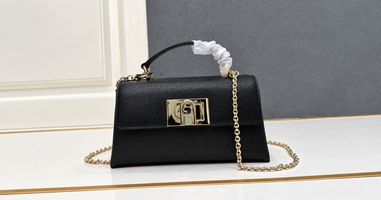
A firm body, top handle and prominent Arch closure prevent the compact proportions from disappearing beside an outfit.


The front hardware creates a clear visual focus, while the structured sides keep the profile recognizable from more than one angle. Those characteristics give a furla 1927 bag enough presence beside simple clothing without requiring a larger body.


Its scale can sit comfortably beside tailored trousers, straight denim, knitwear or dresses without adding another oversized element.


3. The Gusseted Interior Changes How the Space Is Used


The interior is easier to understand by looking at how the sides open rather than by counting how many objects might fit.


A gusseted construction gives the main section more usable depth toward the center while keeping the upper opening controlled. Flat pieces can sit closer to the sides, leaving the middle available for objects that need more room.


This setup rewards a simple packing order: keep slim belongings against the interior walls and reserve the central area for the few pieces that cannot lie flat.


Anyone wanting to test realistic combinations can use a closer capacity breakdown to examine how different item types use that available space.


4. Textured Leather Supports the Structured Exterior


The surface texture suits a body built around firm edges, a defined base and a compact top handle.


Rather than depending on an extremely smooth finish, the leather adds subtle variation as light moves across the exterior and creates contrast beside smoother fabrics.


That balance helps a furla leather bag move between casual and more polished clothing without making either combination feel mismatched.


5. The Arch Closure Gives the Front a Clear Focus


The central turnlock is one of the strongest visual elements on the 1927 Mini.


Because the exterior is compact, the hardware occupies a meaningful part of the front rather than functioning as a minor accent. It breaks up the leather surface and reinforces the defined character of the bag.


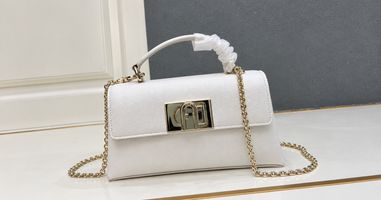
Simple tailoring, knitwear and clean dresses leave enough visual space for that detail to register clearly. Exterior color can change the degree of contrast, but the relationship between the compact body and central closure remains consistent.


6. Interior Organization Makes Limited Space Easier to Manage


The interior includes separate storage rather than relying on one completely open compartment. An open pocket and zipped pocket give smaller pieces dedicated areas, while the rear exterior pocket adds another accessible section.


That organization can make a compact furla bag easier to use because smaller belongings do not all need to sit loose in the central space.


The main compartment can remain available for items that require more depth, although several thick or rigid objects will still expose the physical restrictions of the mini format.


7. The Handle-to-Body Ratio Changes the Visual Balance


The compact body and relatively prominent top handle create a distinct vertical relationship when the bag is seen from the front.


Because the handle rises clearly above the body, the design reads taller than a flat clutch-style mini even though the storage area itself remains small. That helps it register more strongly when carried by hand.


The structured base keeps the lower section visually anchored, so the bag does not rely only on hardware for presence.


This proportion is especially useful for someone who wants a small bag that still looks deliberate rather than purely decorative.


8. Hand Carry Shows the Design Most Clearly


Using the top handle keeps the front unobstructed and leaves the main construction fully visible.


This creates the most polished interpretation of the design. The handle, closure and structured base become more prominent, which can work well for dinners, appointments or settings where a compact accessory suits the clothing better than a larger shoulder style.


That dressier effect is one reason a furla 1927 mini bag can feel more substantial than its dimensions first suggest.


Hand carry does occupy one hand, so the removable strap becomes more useful during longer periods of walking.


9. Shoulder and Crossbody Wear Change How the Bag Functions


Adding the adjustable strap changes the experience from primarily hand carried to something better suited to movement.


Shoulder wear keeps much of the polished appearance while freeing the hands. Crossbody wear places greater emphasis on mobility during walking, commuting or moving between several locations.


The preferred position will depend on torso length, clothing thickness and where the wearer likes a compact bag to sit.


Readers deciding between these options can use a carrying-method breakdown for a closer look at hand, shoulder and crossbody wear.


10. The Detachable Strap Changes Function Without Altering the Bag


The removable strap does more than add another styling option. It changes how the bag can be used across the same day.


Attached, it supports longer periods of movement and keeps both hands available. Removed, the top handle becomes the primary carrying point and the compact structure becomes more visible.


The important advantage is continuity: the same bag can shift from practical carry to a more presentation-focused setup without changing its basic proportions or interior arrangement.


11. Material and Hardware Help It Cross Dress Codes


Textured leather and defined metal hardware give the design enough structure to sit beside casual clothing without looking overly informal.


At the same time, those same elements keep the bag compatible with cleaner tailoring or a dressier outfit. That adaptability makes a furla handbag in this format useful for someone who prefers one compact design to cover several wardrobe situations.


The mini scale keeps the overall effect controlled, while the Arch closure prevents the front from appearing too plain.


12. Everyday Suitability Depends on How Predictable the Carry Load Is


The 1927 Mini works more easily for someone whose daily contents remain fairly consistent.


A predictable set of belongings makes the separate pockets and central compartment easier to use efficiently. The experience becomes less convenient when the load changes substantially from one day to the next or regularly grows after leaving home.


That makes routine consistency an important factor, not just the starting item count.


Anyone unsure whether that pattern matches regular use can refer to a daily-use suitability check before treating the mini format as a primary everyday option.


13. The Strongest Match Is Someone Who Values Structure Over Spare Capacity


The design makes the most sense for a person who actively prefers a compact, defined bag rather than simply tolerating smaller storage.


Interior separation keeps small belongings organized, while the rear pocket adds quick-access space without changing the main body. The top handle and removable strap then give the same design two very different carrying moods.


For that type of user, a compact furla bag can offer enough organization and flexibility without needing the dimensions of a larger everyday style.


The format works best when compact structure is a preference rather than a compromise.


14. Check Three Things Before Treating It as an Everyday Bag


First, identify the bulkiest item that must fit. One rigid piece can affect usable space more than several slim belongings.


Second, decide which carrying method would be used most frequently. Someone who expects to rely on the shoulder or crossbody strap should judge the bag in that configuration rather than focusing only on hand carry.


Third, check whether the rear pocket and interior pockets would actually match the items you reach for most during the day.


The 1927 Mini is most convincing when its structure, compartment layout and carrying options solve specific daily needs. If those three elements match the routine, the compact size becomes part of the appeal rather than a compromise.

Clara Bennett

Clara Bennett writes about designer bags, focusing on materials, construction, proportions, capacity, and carrying options. Her articles look closely at how individual designs work in daily life, from interior organization and strap configurations to size, structure, and suitability for work, travel, and other occasions.

More Posts

What Fits in a Furla 1927 Mini Bag?What Fits in a Furla 1927 Mini Bag?
What Fits in a Furla 1927 Mini Bag?

Compact daily carry suits the furla 1927 mini bag best, especially with a slim wallet or cardholder, one main device, and a small selection of personal items. Its gusseted interior and separate pockets help organize a reduced load, but bulky cases and thick accessories can use the available depth quickly.


Capacity here is less about fitting a long checklist and more about deciding which objects need central space, which can stay flat, and which should be left out.


1. The Opening Sets the First Practical Boundary


Interior dimensions are only part of the capacity question. Objects also need to pass comfortably through the upper opening and settle into the compartment without forcing the sides outward.


A rigid item can appear small enough on paper yet feel awkward if it needs to be turned repeatedly before reaching the central space. Slimmer belongings are easier because they can enter at an angle and settle closer to the interior walls.


This makes access part of usable capacity rather than a separate concern.


2. The Gusseted Construction Creates a Usable Center


The sides open in a gusseted arrangement rather than forming one completely flat compartment.


That creates useful depth toward the middle, while slimmer belongings can sit closer to the interior walls. The bag therefore benefits from deliberate placement instead of tight packing.


Leaving some free space around the central objects can also make opening, closing and retrieving belongings easier.


3. Flat Items Preserve the Most Useful Space


Cards, a slim cardholder, folded papers or another thin case can rest against the interior walls without consuming much central depth.


Slim belongings preserve more usable depth, which keeps furla mini bag capacity manageable during regular use.


A thicker accessory changes the setup considerably. Even if its width fits comfortably, added depth can reduce the number of pieces that can sit beside it.


People already accustomed to compact accessories will usually organize this interior more easily than someone transferring the contents of a much larger handbag.


4. Device Placement Changes the Interior Layout


A phone usually becomes one of the largest flat objects in a mini bag, so its orientation affects what remains usable around it.


Placed upright or closer to one wall, it can leave the center more open for another item. Positioned across the compartment, it may divide the interior into smaller areas that are harder to use efficiently.


The better setup depends on the device and case rather than one fixed packing rule.


This is why capacity can feel different even when the same objects are being carried.


5. Separate Pockets Protect the Main Compartment


An open pocket and zipped pocket give smaller belongings dedicated places outside the central packing area.


Separate storage areas keep smaller pieces out of the center, so furla 1927 bag organization remains clearer while the main compartment stays available for larger items.


The rear exterior pocket can hold one slim item that benefits from faster access. Its value comes from convenience rather than substantial added capacity.


Good organization therefore reduces unnecessary stacking without pretending the mini format has more space than it does.


6. Accessory Format Matters More Than Category


Two wallets can take up very different amounts of space, just as two cosmetic cases or eyewear cases can.


For this interior, the useful distinction is whether an accessory is flat, flexible, or rigid. Flat pieces can follow the sides, flexible ones can adapt to small gaps, while rigid objects claim a fixed amount of room.


That makes accessory format a more useful capacity test than simply asking whether a wallet, case, or pouch belongs on the packing list.


7. Cosmetic Items Work Better in Smaller Forms


A large cosmetic pouch can consume too much of the central area.


Individual pieces such as a slim lip product or small mirror are easier to distribute around larger belongings. They can use spaces that would otherwise remain empty without forcing the bag to expand.


Leaving some unused room is useful. A tightly packed interior may technically close, but daily access becomes less convenient if several objects need to be removed each time.


8. Textured Leather Keeps the Exterior Controlled


The structured exterior is not designed to expand freely around everything placed inside it.


Textured leather and defined construction help the 1927 Mini retain its composed profile, so packing works better when the contents respect the existing form.


The same controlled exterior keeps furla leather mini bag proportions polished during regular use rather than only on occasional outings.


Compared with a softer pouch-style bag, this design places more emphasis on keeping its established proportions. A small amount of unused interior space can therefore be useful rather than wasted.


9. The Rear Pocket Works Best for One Flat Essential


The open pocket on the back is most useful for something slim and frequently needed.


It can separate one flat item from the main compartment and reduce how often the bag needs to be opened.


Its advantage is access, not major extra storage, so trying to fill the pocket heavily works against the compact construction.


10. Each Storage Area Works Better With a Clear Function


The interior becomes easier to manage when each section has a distinct purpose instead of every pocket competing for the same type of item.


The zipped pocket suits something small that should stay contained. The open interior pocket is better for a slim piece that may need quicker access, while the central compartment carries the larger essentials.


This division reduces overlap and keeps the main area from turning into an undifferentiated stack.


11. A Stable Daily Load Makes the Mini Easier to Use


Consistency matters more than variety when a compact bag becomes part of a regular routine.


A consistent set of belongings also makes organization inside the furla 1927 mini bag simpler and more predictable.


The open pocket can handle one type of slim item, the zipped section another, while the central area remains reserved for larger essentials.


Problems usually appear when the daily load keeps expanding. Extra cases, chargers, purchases or additional personal items can quickly use the small amount of spare room.


This format therefore suits someone who already knows what needs to come along better than someone who regularly carries extras just in case.


12. The Best Capacity Check Is Whether Space Still Remains Usable


A successful setup should leave more than enough room to close the bag.


After the essentials are inside, check whether the gusset can still open normally, the pockets remain reachable, and one item can be removed without disturbing several others.


That unused flexibility is important because a compact bag becomes frustrating when every object has only one exact position.


If the interior still works as a system rather than a tightly packed container, the capacity is likely suitable for regular use.