
Clara Bennett | 16 ore fa

Roger Vivier Mary Janes: How the Efflorescence Design Changes the Look

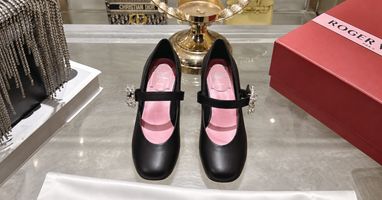
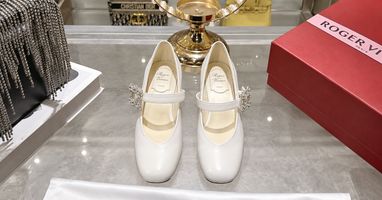
Roger Vivier Mary Janes suit wardrobes where footwear is expected to contribute something visible to the outfit rather than disappear beneath it. Efflorescence keeps the recognizable cross-strap construction while placing stronger decorative emphasis near the front of the shoe.


That balance matters because a Mary Jane is read as a complete structure. Toe proportion, strap placement, upper coverage, heel profile, and ornament all affect how the pair looks beneath trousers, skirts, and dresses. Understanding those elements makes styling easier than treating decoration as the only decision factor.


1. Start With the Mary Jane Structure


A Mary Jane is recognizable because the strap creates a horizontal break across the foot. That break changes the upper more significantly than a small decorative addition would, especially once the shoe is viewed from the front or side.


The strap separates the toe area from the section closer to the ankle. Its placement therefore affects how much uninterrupted surface remains visible and how elongated or compact the upper appears.


Efflorescence introduces another focal area closer to the toe. Instead of letting the strap carry all of the visual character, the design creates interest at two different positions.


Those elements work together to give the shoe definition without relying on a dramatic heel or an unusually sculpted sole.


2. Why Efflorescence Feels More Decorative


Clean trousers are useful here because very little competes visually close to the foot. A straight leg creates a controlled vertical line, allowing the decorative section of the shoe to remain easy to identify.


The effect becomes more noticeable with Roger Vivier Efflorescence Mary Janes, since much of their character sits toward the front rather than being distributed evenly over the entire upper.


A plain midi skirt works for the same reason. It gives the footwear enough surrounding space while keeping the hem far enough away for the strap to remain visible.


Texture can still be introduced higher in the outfit. Fine knitwear, wool tailoring, or a softly finished jacket can add depth without repeating the ornament near the shoe.


The outfit does not need to become formal simply because the footwear is decorative. A quieter lower half is usually enough to preserve balance.


3. Strap Placement Changes the Upper Proportion


The cross strap divides the upper into separate visual sections. Its position influences how much space appears between the toe, strap, and ankle, which can make the same general shoe type look very different from one design to another.


This difference is easier to notice from a slight side angle. The front section is read first, followed by the strap and the open area above it.


A longer trouser can cover much of the upper, leaving the decorated front as the dominant feature.


Cropped pants reveal the complete construction and place more attention on the strap itself. The change is less about dressiness and more about how much of the original Mary Jane profile remains visible.


4. Give the Front Enough Space


Decorative footwear loses part of its character when the front remains permanently hidden beneath fabric. Full-length trousers can still work, but they create a softer effect because only part of the design is visible while standing.


Cropped tailoring provides a clearer view without requiring an especially short hem. The eye can register the front decoration, the strap, and the space above it as separate elements.


Skirts and dresses offer even more freedom because the upper is rarely covered. This makes Roger Vivier Mary Janes easier to read as a complete design rather than simply a decorated toe appearing beneath the garment.


A midi hem can be especially useful when the aim is to keep the shoe visible while retaining a longer overall silhouette.


5. The Strap Changes How Much Foot Remains Visible


The cross strap does not only divide the shoe itself. It also changes the amount of exposed foot between the upper and ankle, which affects the apparent length of the lower leg.


A strap sitting clearly below the ankle leaves a visible break above it. Paired with cropped trousers or a skirt, that small area becomes part of the overall proportion.


This is one reason a Mary Jane can look different from a pump even when the toe and heel are relatively close in profile. The exposed section above the strap becomes another visual interval.


Socks or hosiery alter that interval again. A continuous dark tone reduces the contrast around the strap, while bare skin makes the horizontal division much easier to notice.


6. Formal Clothing Is Not Required


A decorated Mary Jane can work outside event dressing if the surrounding pieces are familiar and restrained. Dark denim is one useful example because it introduces a more casual material without adding much competing ornament.


Tailored trousers and fine knitwear move the outfit toward a polished daytime direction. A simple coat or compact jacket can finish the combination without making the footwear feel excessively dressed up.


Placed beside those straightforward pieces, Roger Vivier Mary Jane shoes provide the stronger visual accent rather than asking every item in the outfit to make the same statement.


A plain skirt creates another route. Everyday wool, cotton, or structured knitwear keeps the outfit grounded while the footwear supplies the decorative finish.


This broadens the usable range considerably. The design does not depend on evening clothing to make sense.


7. Midi Lengths Keep Attention Near the Foot


A midi skirt leaves a visible break between hem and shoe, making the strap easier to distinguish than it might be beneath trousers.


Fluid fabric softens the relationship because the hem moves around the leg. A firmer skirt creates a clearer line and makes the footwear look more structured by comparison.


Print matters as well. A busy pattern close to the calf introduces additional visual activity, while a solid fabric directs more attention downward.


The useful distinction is whether the shoe should remain the main decorative feature or share that emphasis with the garment.


8. Color Controls How Strongly the Shoe Reads


Dark footwear creates a defined base beneath pale or medium-toned clothing. Similar tones between garment and shoe make the transition smoother and reduce contrast.


High contrast works well when the rest of the outfit has few accents. The footwear can then carry most of the visual interest near the ground.


Lower contrast is useful for tonal dressing where the shoe should remain visible without becoming the first element noticed.


Color therefore changes visual strength more than it changes the actual dressiness of the design.


9. Quiet Clothing Lets the Shoe Do More


Black trousers, a clean shirt, fine knitwear, or a single-color dress can all create enough open visual space for footwear to become the main accent.


That approach works particularly well for Roger Vivier Mary Janes because the strap and decorative front already provide two recognizable elements. Adding another strong pattern close to the foot is rarely necessary.


Accessories can remain restrained. A bag with minimal hardware or jewelry concentrated higher on the body keeps the lower section easier to read.


This also makes repeat wear simpler. The footwear remains consistent while trousers, skirts, knits, and outerwear change around it.


A distinctive shoe does not need an entirely new styling concept every time it is worn.


10. The Shoe Looks Different From Front and Side Views


The decorative front has the greatest impact when viewed straight ahead. From that angle, ornament occupies a larger share of the visible shoe and can make the toe area feel more substantial.


The side view changes the balance. The strap, heel, and open section around the foot become easier to notice, reducing the dominance of the front treatment.


That difference matters when choosing clothing. Wide or flowing garments may reveal the shoe mainly from the front as the wearer moves, while a cleaner hem exposes more of the side profile.


It also explains why a pair can appear highly decorative in a product image yet more balanced once worn. The full construction introduces several visual elements that are less obvious in a straight-on view.


The difference becomes easier to judge when looking at how the Efflorescence design changes on foot beside different clothing proportions.


11. Efflorescence Works Through Concentrated Detail


Decoration spread over an entire upper creates a very different effect from decoration concentrated in one area.


With Roger Vivier Efflorescence Mary Janes, the stronger treatment near the front gives the eye a clear place to settle, while the remaining structure prevents the shoe from reading as uniformly embellished.


That concentration is useful when coordinating other finishes. A textured skirt or polished bag can still work because the shoe does not carry equal ornament from toe to heel.


The separation between decorated and quieter areas also becomes more visible from the side.


As a result, the shoe can support richer clothing than a fully embellished design might, provided the strongest decorative elements are not all clustered around the ankle and foot.


12. Movement Changes Which Part of the Design You Notice


Standing still and walking do not present the shoe in exactly the same way.


At rest, the front decoration and strap can be viewed together. During movement, trouser hems shift, skirts move away from the leg, and different parts of the upper appear for shorter intervals.


This is especially noticeable beneath wider trousers. A shoe that seems mostly hidden while standing can become far more visible with each step.


Skirts produce another effect. Movement briefly changes the distance between hem and shoe, which can make the strap alternately more and less prominent.


That makes the design less static than it appears in a product photograph. The front treatment may catch attention first, but the strap and side profile become more important once the outfit is in motion.


For this reason, judging the pair only against a fixed hem position can miss part of how it actually works when worn.


13. Repeat Wear Depends on the Rest of the Wardrobe


The easiest way to judge versatility is to look at the garments already used most frequently.


Cropped trousers, midi skirts, simple dresses, clean denim, and restrained tailoring all provide enough space for Roger Vivier Mary Janes to retain their recognizable structure.


A wardrobe dominated by very long trousers will present the pair differently. More of the strap disappears, leaving the decorated toe to carry most of the visible character.


Skirt-heavy wardrobes expose more of the construction and make the Mary Jane identity much clearer.


The question is therefore less about assigning the shoe to particular occasions and more about how frequently existing hems allow its strongest elements to remain visible.


If those proportions already appear regularly in the wardrobe, the design has more opportunities for repeat use without requiring major changes elsewhere.

Clara Bennett

Clara Bennett writes about designer shoes, focusing on materials, proportions, styling, and the small design differences that change how a pair looks and wears. Her articles look closely at individual styles and how they fit into everyday, work, and occasion dressing.

More Posts

Roger Vivier Efflorescence Mary Janes: What Changes the Way They Look on Foot?Roger Vivier Efflorescence Mary Janes: What Changes the Way They Look on Foot?
Roger Vivier Efflorescence Mary Janes: What Changes the Way They Look on Foot?

Roger Vivier Efflorescence Mary Janes combine a defined cross strap with a more expressive front, so the way they look on foot depends heavily on what remains exposed around the instep, ankle, and toe. Trouser width, skirt length, hosiery, and nearby texture can each shift attention toward a different part of the design.


The useful question is not simply whether the shoe looks decorative. It is how the surrounding clothes reveal or soften its strongest features.


1. Start by Looking at the Space Above the Strap


The exposed area between the cross strap and ankle has a strong effect on proportion.


More visible skin creates a clearer break between shoe and leg. That makes the strap easier to identify and gives the upper a more segmented appearance.


A longer trouser or opaque hosiery reduces that break. The shoe then reads more as one continuous block near the foot.


This difference can change the impression considerably even when the footwear itself stays the same.


2. A Decorated Front Changes Where the Eye Lands


A simpler strapped design may draw attention first to the band crossing the foot. Once the front carries stronger ornament, the order changes.


The eye is more likely to settle near the toe before moving upward toward the strap and ankle.


That makes clothing close to the shoe important. Heavy pattern near the hem can compete for the same area, while quieter fabric leaves the front treatment easier to notice.


The strongest balance usually comes from deciding which element should lead rather than asking every part to carry equal emphasis.


3. Trouser Width Alters How the Upper Is Framed


A slim trouser opening creates a tighter frame around the shoe and makes the upper appear more contained.


Wider trousers introduce more negative space and movement around the foot. Instead of simply revealing or hiding the shoe, the fabric changes the surrounding outline every time the wearer moves.


That effect suits Roger Vivier Mary Janes because the front and strap do not need to stay equally prominent at every moment. One may lead while the other becomes secondary.


This makes trouser width a framing decision rather than only a question of how much of the upper remains exposed.


4. The Instep Can Affect How Dressy the Shoe Feels


Open space around the instep can make the shoe feel lighter even when the front is richly treated.


Dark tights, long trousers, or dense fabrics reduce that contrast and connect the shoe more closely to the rest of the lower outfit.


Bare skin creates a stronger interruption between clothing and footwear, which can make the strap more pronounced.


That shift can subtly change whether the pair feels softer, sharper, or more polished.


5. The Front Treatment Needs a Clear Setting


Clothing does not need to be plain, but the strongest finishes should not all compete within the same small area.


Smooth trousers, a structured skirt, or a dress with a relatively clean lower section give Roger Vivier Efflorescence Mary Janes enough room to keep their front treatment distinct.


This works particularly well if the outfit already includes texture higher up, such as knitwear, a tailored jacket, or a more expressive bag.


Separating those stronger elements creates better order.


6. Hosiery Changes More Than Color


Hosiery can alter how the strap reads against the foot.


A dark continuous tone reduces the contrast between strap, skin, and ankle, making the shoe feel more integrated into the lower half of the outfit.


Sheer hosiery softens that transition while preserving more definition. Bare skin makes the horizontal strap easiest to notice.


These are small changes, but they can noticeably alter how strong the cross-strap structure feels once worn.


7. Skirt Construction Changes the Space Around the Shoe


Skirt volume affects more than movement. It also changes the amount of open space that surrounds the foot when the wearer is standing still.


A straight skirt creates a more controlled column above the shoe. A fuller cut widens that frame and can make the footwear feel smaller by comparison.


Fabric weight changes the result again. Firmer material keeps the hem in a more predictable position, while lighter cloth shifts continually around the leg.


This makes skirt construction a proportion issue as much as a styling choice.


8. Efflorescence Can Work Beside Richer Fabrics


Decorative footwear does not automatically require plain cottons or simple tailoring.


Velvet-like finishes, satin, fine wool, or textured knits can sit beside Roger Vivier Efflorescence shoes if their weight is distributed carefully.


The easiest combinations avoid placing the richest fabric directly beside the most decorated part of the shoe.


A textured jacket over cleaner trousers, for example, keeps interest separated vertically and gives the outfit more depth without overloading the lower section.


9. Viewing Distance Changes What Stands Out First


Up close, smaller decorative elements near the toe receive more attention because their texture and surface variation are easier to see.


From farther away, those finer elements merge into a broader front accent. The strap and overall upper proportion then become more important than individual embellishment.


This difference explains why a pair can feel highly detailed in close product photography yet read more cleanly once incorporated into a complete outfit.


It also means clothing does not need to echo every decorative feature. From normal viewing distance, the larger proportions usually matter more.


10. Surrounding Lines Decide Whether the Shoe Feels Softer or Sharper


Curved hems, draped fabric, and rounded outerwear can make the shoe feel less rigid because few nearby lines repeat the horizontal strap.


More precise clothing creates a different effect. Trouser creases, straight skirt edges, and compact tailoring reinforce the geometry already present around the foot.


That gives Roger Vivier Mary Jane shoes two distinct directions without changing the footwear itself.


The useful choice is whether the clothing should soften the structure or echo it.


11. Keep Secondary Accents Away From the Toe Area


A second decorative element can work well, but placement matters.


Strong ankle jewelry, patterned socks, or highly embellished hems all sit close to the same area as the shoe’s front treatment. Combining several of them can make the lower section difficult to read.


Moving the next accent farther away gives each feature more space.


A defined neckline, earrings, or a bag carried higher on the body can add interest without competing directly with the shoe.


This creates a more deliberate distribution of attention from top to bottom.


12. Preserve the Shoe’s Two-Part Character


The Efflorescence design works because the front treatment and cross strap do not perform the same function.


One draws attention toward the toe, while the other defines the upper and creates a recognizable break across the foot.


That two-part structure is easiest to appreciate when clothing leaves enough room for both to remain visible. Roger Vivier Efflorescence Mary Janes work especially well when the lower outfit does not cover the entire upper or add heavy competition around the ankle.


The styling does not need to be minimal. It simply benefits from keeping ornament, strap, hem, and surrounding texture distinct.


That balance lets the shoe carry more character without making the complete outfit feel overloaded.