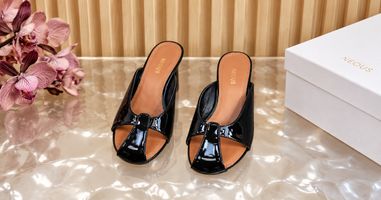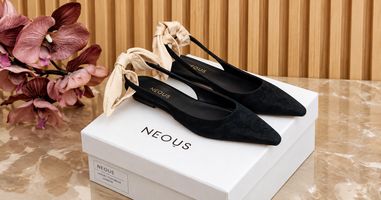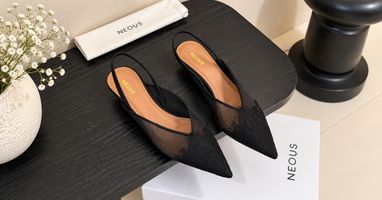
Designer Shoes Guide brings together practical articles on popular styles, fit, materials, comfort, and everyday wear. The guides look at how different designs compare, which features affect wear and styling, and where certain shoes may work better across casual, work, and occasion dressing.

More Posts

How Mesh, Lace, and Satin Trim Change the Look of Neous Irena Slingback PumpsHow Mesh, Lace, and Satin Trim Change the Look of Neous Irena Slingback Pumps
How Mesh, Lace, and Satin Trim Change the Look of Neous Irena Slingback Pumps

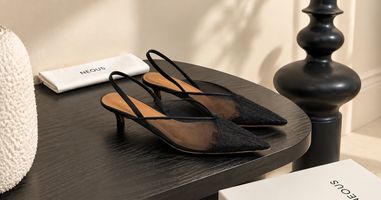
Neous Irena slingback pumps combine sheer mesh, lace-like surface interest, satin trim, and an open heel, so their visual effect comes from how these materials divide the foot rather than from one decorative feature. Transparency softens the upper, while edging and front construction keep the design readable from different angles.


The result depends on how texture, opacity, and surface finish work together. Small changes in light or viewing angle can make one element stand forward while another recedes.


1. Transparency Changes How the Upper Is Read


A solid upper creates one continuous material surface. Mesh breaks that continuity and allows skin tone to become part of the visible construction.


The transition between material and exposed foot therefore becomes more important. Instead of reading the upper as one block, the eye moves between opaque edges, patterned sections, and transparent areas.


Lighting can soften or sharpen those transitions. Diffused light reduces the difference between mesh and skin, while stronger directional light makes the material boundaries easier to distinguish.


2. The Edges Control the Structure


Sheer material needs clear borders if the construction is going to remain visually defined.


Satin trim creates that boundary. It separates transparent sections from the foot and prevents the upper from fading into one indistinct surface.


The width, placement, and continuity of the edging matter because they determine which parts of the upper appear connected and which feel visually separate.


That structural function is more important than the trim simply looking decorative.


3. Lace-Like Texture Adds Depth Without Full Coverage


Texture can create depth even when relatively little opaque material is present.


A lace-like surface introduces small changes in opacity, allowing pattern and exposed skin to work together rather than forming one flat transparent panel. Neous Irena slingback pumps use that contrast to give the upper more dimension without adding a heavy layer across the foot.


The visual effect changes as the viewing angle shifts. Some patterned areas become clearer, while others blend more closely into the mesh beneath them.


This gives the upper more variation than a plain sheer panel would provide.


4. The Front Prevents the Design From Looking Indistinct


Transparency can make an upper feel light, but the front of the pump still provides a clear directional line.


That defined front helps anchor the rest of the construction. Without it, the combination of mesh and exposed skin could appear less controlled.


The contrast between a firm front profile and a lighter upper gives the shoe a clearer silhouette even before the trim becomes noticeable.


This is one of the main structural differences between a sheer pump and a softer, more open shoe.


5. Satin Changes the Surface Reflection


Mesh and satin respond to light in very different ways.


Mesh tends to absorb or diffuse more of the light that reaches it, while satin creates smoother highlights along the trim.


That difference makes the edge treatment easier to read without increasing the amount of opaque material.


Under softer light, the contrast becomes quieter. Under stronger interior lighting, the satin may catch enough reflection to separate itself more clearly from the mesh.


6. The Slingback Strap Changes the Rear Profile


The open heel does more than remove material from the back of the shoe.


The strap creates a distinct horizontal or diagonal break across the heel area, which changes how the rear profile is read from the side.


Instead of one continuous back line, the eye moves from the upper to exposed skin and then to the strap.


That interruption gives the rear of the shoe a different rhythm from a closed pump, even when the front remains similarly structured.


7. Light Materials Can Still Produce a Complex Surface


Transparency does not automatically make a design visually simple.


Mesh, patterned sections, edging, exposed skin, and the slingback strap create several separate material zones. Each one reacts differently to light and viewing angle.


Simple backgrounds leave enough visual space for Neous Irena slingback pumps to show those differences clearly, which is why the construction can remain noticeable without depending on bold color.


The complexity comes from surface relationships rather than from a single dominant ornament.


8. Neutral Tones Still Allow Strong Material Contrast


Low color contrast does not mean low surface contrast.


Mesh can appear softer than satin even when both stay within a similar tonal family.


Patterned sections introduce another level of variation because their opacity changes across the upper.


The foot beneath the mesh becomes part of that contrast as well.


This means a neutral version can still look layered and detailed even without relying on a bright or highly saturated color.


9. Exposure Changes Which Materials Stay Visible


The amount of the shoe left uncovered affects which construction details can actually be seen.


A longer hem may reveal mostly the front profile and a small area of mesh. More exposure allows the trim, patterned sections, side construction, and slingback strap to become part of the visible composition.


That changes the ratio between transparent and opaque material the eye can read at once.


The design therefore looks different not because the shoe itself changes, but because different parts of its material structure remain visible.


10. Movement Reveals Different Parts of the Construction


A shoe does not present the same view while standing still and while walking.


Movement can expose the side panels, rear strap, and transitions between mesh and trim that may be less visible from a fixed front angle.


This is especially relevant to sheer constructions because the foot itself moves beneath the material.


As the angle changes, patterned areas, exposed skin, and reflective edging can become more or less prominent from one step to the next.


11. Artificial Light Separates Matte and Reflective Surfaces


Interior lighting can make material differences easier to read.


Matte mesh absorbs more visual attention into its texture, while smoother edging produces clearer highlights. Neous Irena slingback pumps rely on that difference to keep the upper defined even though much of the construction remains sheer.


The effect is not constant. Directional lighting can sharpen the contrast, while flatter ambient light makes the surfaces appear closer together.


That variability is part of what gives the design a different appearance across settings.


12. The Materials Need Visual Space Around Them


A construction built from several subtle surfaces can lose clarity when surrounded by too many unrelated textures.


Heavy distressing, large hardware, dense patterning, or very coarse fabrics can compete with the mesh, trim, and lace-like surface treatment.


Cleaner surrounding materials allow those differences to remain easier to read.


The issue is not whether the surrounding clothing is formal or casual. It is whether the nearby textures support or overwhelm the material relationships already present in the shoe.


13. The Design Depends on Material Balance


The strongest feature of this construction is the relationship between transparency, pattern, edging, exposed skin, and open space.


Mesh keeps the upper light. Lace-like texture adds variation. Satin defines the edges. The slingback strap creates a separate rear line.


None of those elements needs to dominate on its own.


The design works because each material occupies a different visual function, allowing the shoe to remain detailed without turning into one dense decorative surface.
Roger Vivier Pumps: How to Compare Silhouettes, Heels, and Wearing NeedsRoger Vivier Pumps: How to Compare Silhouettes, Heels, and Wearing Needs
Roger Vivier Pumps: How to Compare Silhouettes, Heels, and Wearing Needs

Roger Vivier pumps are easier to assess when heel height, toe profile, foot coverage, and intended setting are considered together. A pair designed for dinners or events may favor a stronger silhouette, while one intended for repeated daytime wear benefits from a more controlled heel and an upper that works across different types of clothing.


The differences become clearer once the shoe is considered in motion rather than as a product image. Heel placement, opening depth, toe length, material, and the way the upper follows the foot all influence how polished or expressive a design feels.


1. Begin With the Type of Day the Shoe Needs to Handle


A style worn mainly for dinners has a different job from one expected to move between transportation, meetings, and several hours indoors.


That distinction affects nearly every later choice.


A taller heel may suit limited walking and a stronger dress effect. A lower or broader construction can become more useful when the same pair needs to remain wearable across a longer schedule.


The goal is not to find one heel for every situation, but to know what the shoe will be asked to do most frequently.


2. Heel Height Should Match the Time Spent Standing


A few centimeters can change how much pressure shifts toward the front of the foot.


That difference becomes more noticeable during standing than while sitting, so event footwear and longer-wear options should not automatically be judged by the same standard.


A medium heel can preserve visual lift without creating as large a trade-off during repeated wear.


Higher heels produce a sharper proportion between foot and leg, especially when most of the shoe remains visible.


3. Toe Profile Changes the Overall Length


Toe construction is one reason Roger Vivier shoes can look noticeably different in proportion even before heel height enters the decision.


A pointed or tapered front extends the visual line forward. This can work especially well below straight trousers or longer dresses where only the toe and part of the upper remain visible.


A softer front looks more compact and can reduce some of the formality created by a taller heel or decorated surface.


Toe length therefore affects both appearance and how the front relates to the leg above it.


4. Topline Shape Changes the Boundary Around the Foot


The opening does more than determine how much skin is visible. Its curve also sets the visual boundary between the upper and the foot.


A straighter topline creates a firmer edge, while a more curved opening follows the foot more closely and can make the front appear lighter.


The effect becomes particularly noticeable beside a pointed toe.


A strong horizontal opening can shorten the visible line slightly, whereas a softer curve allows the eye to travel more continuously from ankle toward the front.


This makes topline shape useful when two designs share a similar heel and toe but still look noticeably different once worn.


5. The Silhouette Should Still Work Without Ornament


Decoration attracts attention quickly, but the underlying proportions still determine whether the design remains convincing.


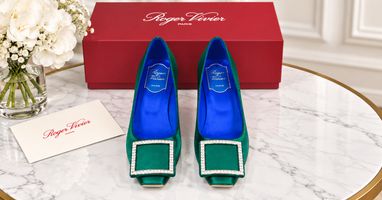
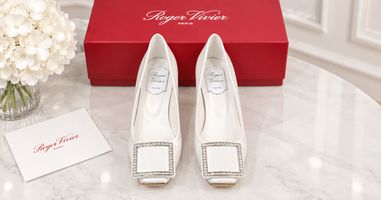
Balanced toe length, upper opening, and heel keep Roger Vivier pumps visually coherent before hardware or crystal ornament enters the picture.


A strong base structure also adapts more easily to different clothing.


The same decorated pair may feel prominent below a dress and more controlled when only part of the upper remains visible.


6. Material Can Change the Level of Formality


Smooth leather produces a clean surface and makes the outline easier to read. Metallic hardware also gains clearer contrast against it.


Suede creates a softer finish, especially in deeper shades where the surface absorbs more light.


Mesh changes the proportion again because the foot becomes partly visible inside the upper.


That transparency can reduce some of the visual weight created by a stronger heel or large front feature.


Material therefore contributes to the silhouette rather than functioning only as a finish.


7. A Distinctive Heel Needs a Balanced Upper


The front and rear do not need to compete for attention.


The sculpted heel becomes a defining feature of Roger Vivier Trompette pumps while the upper can remain comparatively restrained.


Other versions combine a stronger heel with more pronounced ornament, producing greater presence when most of the shoe remains exposed.


When the heel already contributes clear character, additional intensity elsewhere should feel deliberate rather than automatic.


8. Heel Placement Changes the Line From Arch to Ground


Two heels of similar height can create different side profiles depending on where the heel sits beneath the foot.


A heel positioned farther toward the rear leaves a longer visual transition from arch to ground. One placed slightly farther forward can make the rear appear more compact and supported.


This difference is easiest to notice from the side.


It also affects how the heel relates to a pointed or tapered front. A longer front paired with a strongly rear-set heel stretches the complete silhouette, while a more centered construction can make the shoe appear tighter in proportion.


Heel placement is therefore worth judging separately from heel height.


9. Judge Color Beside the Clothes You Wear Most


A black design creates a more continuous line beside darker trousers and evening clothing. Lighter shades create clearer separation against black, navy, or deep brown.


Bright colors make footwear easier to notice even when the silhouette stays simple.


Metallic finishes add movement because reflected light changes across the surface.


A better test is to place the color beside clothing already worn regularly rather than judge it against a neutral product background.


10. Opening Shape Changes How the Foot Sits Inside the Upper


The way the opening curves around the foot can affect both appearance and how contained the shoe feels.


Opening depth changes how Roger Vivier pumps sit around the sides and heel, ranging from a more enclosed construction to a lighter, more exposed effect.


A deeper opening can lengthen the visible line from ankle toward the toe. Greater coverage creates a firmer boundary around the upper part of the foot.


This difference becomes clearer in movement because the relationship between foot and upper is easier to notice once the shoe is no longer static.


For similar heel heights, opening geometry can create a bigger visual difference than another small decorative change.


11. Stability Depends on More Than Heel Width


A wider heel base can feel reassuring, but stability also depends on heel placement and how securely the upper holds the foot.


A closed construction uses the heel cup and upper together to maintain position. If the opening is too loose, the shoe can still feel less secure even when the heel is substantial.


Toe construction matters too. A very tapered front changes how the forefoot occupies the available space.


These factors are more useful when considered together than heel width by itself.


12. Compare the Complete Design Before Choosing Decoration


A final assessment should bring together toe length, opening shape, heel height, heel placement, material, and how securely the upper contains the foot.


Roger Vivier Trompette stands apart through added character at the rear, while cleaner constructions can place greater emphasis on the front or the uninterrupted line from toe to heel.


Neither direction suits every wardrobe.


Heel, opening, toe, and ornament should read as one consistent design rather than four competing features.

Roger Vivier Trompette Pumps: What Makes the Design Distinctive?Roger Vivier Trompette Pumps: What Makes the Design Distinctive?
Roger Vivier Trompette Pumps: What Makes the Design Distinctive?

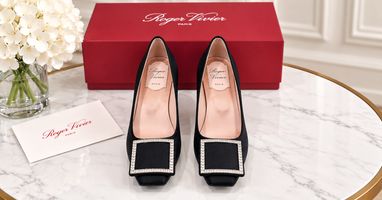
Roger Vivier Trompette pumps stand out because the heel contributes almost as much to the design as the upper. The flared rear profile, polished pump construction, and decorative front elements create a shoe that looks noticeably different from a conventional high heel, especially from the side and back.


Choosing between versions depends on more than heel height. Toe profile, rear support, ornament scale, material, color, and how much of the shoe remains visible below clothing all change the final effect.


1. Start by Looking Beyond the Front View


Product photography frequently emphasizes the toe, vamp, and buckle, yet much of the character appears from another angle.


The heel widens toward its base rather than following one slim vertical line. That difference becomes clearer below cropped trousers, midi hems, or dresses that leave the rear exposed.


A straight front view can therefore understate one of the design's most recognizable features.


Checking front, side, and rear views gives a better sense of how the construction reads once worn.


2. Look at How the Heel Meets the Ground


The lower part of a heel can change the stance of a pump even when overall height remains similar.


A slimmer base keeps the rear visually lighter. A wider base creates a stronger connection with the floor and makes the back of the shoe appear more substantial from certain angles.


Across Roger Vivier shoes, that lower heel treatment can be as important as the height itself when comparing how refined, architectural, or decorative a design feels.


This is easier to judge from side and rear images than from a standard front product shot.


3. Check How the Vamp Frames the Front of the Foot


The vamp determines how much of the top of the foot remains visible before the toe begins.


A higher vamp creates more continuous material across the front and can make a decorative buckle feel more integrated into the upper. A lower cut exposes more of the foot and gives the pump a lighter appearance.


The placement of the ornament matters here too.


If the buckle sits close to the topline, it can visually shorten the exposed area. If it sits farther forward, more space remains between the foot opening and the decoration.


That difference can change the balance of the entire front without altering the toe itself.


4. Crystal Coverage Changes How Much of the Upper Remains Visible


Crystal decoration does more than add shine. It changes how much of the vamp still reads as leather, fabric, or mesh around the ornament.


A compact crystal element leaves more uninterrupted upper visible, so the shoe retains a cleaner front. Denser coverage compresses that open surface and makes the decorative area feel larger.


For someone considering Roger Vivier Trompette pumps, this difference can noticeably change how formal the shoe appears even when heel height and toe profile stay the same.


Lighting strengthens the effect because tightly grouped crystals reflect across a broader area than a smaller ornament.


The useful comparison is therefore how much of the front remains visually open once the decoration is in place.


5. Toe Profile Controls the Length of the Front


A tapered toe extends the visual line of the foot and can make the upper appear slimmer and longer.


That works especially well when only the front remains visible below trousers.


A softer front reduces some of that length and can make a sculpted heel feel less dramatic.


Toe proportion also changes how hardware sits within the upper. A large buckle on a shorter vamp appears more dominant, while a longer front gives it more surrounding space.


6. Closed Pumps and Slingbacks Change the Rear View


A closed pump creates a more continuous line from the upper into the heel. More material surrounds the back of the foot, so the heel feels connected to the rest of the shoe.


A slingback removes much of that rear surface.


The exposed heel creates more contrast around the sculpted base, making its width and curve easier to notice.


Rear support changes too. A heel cup and a strap hold the foot differently, so the choice is functional as well as visual.


7. Rear Exposure Changes How the Construction Reads


The back of the shoe can look quite different depending on how much of the heel counter, strap, and base remain visible together.


With Roger Vivier Trompette, that rear relationship matters because the heel broadens toward the ground. A closed pump places more material above that widening base, while an open-back version leaves the heel visually separated from the foot.


This changes the proportion from behind.

A more exposed construction can make the heel appear wider and more pronounced, while a closed rear creates a smoother transition from foot to base.


The distinction is subtle in static front photography but clearer once the shoe is viewed from behind.


8. Material Alters the Contrast Between Features


Smooth leather gives the upper a defined, continuous surface. Hardware tends to stand out clearly against it, especially when the finish is dark or uniform.


Suede softens those transitions.


Mesh changes the result more noticeably because transparency introduces the foot into the design. The upper no longer reads as one solid surface, which can reduce some of the visual weight around large ornament.


Each material changes how strongly the toe, buckle, and heel separate from one another.


9. Crystal Placement Can Change the Apparent Size of the Vamp


Not every embellished upper distributes decoration in the same way.


Some Roger Vivier Trompette pumps concentrate crystals within a defined buckle, leaving the surrounding vamp comparatively clean. Others create a denser visual area across the front.


Concentrated decoration keeps the ornament easy to isolate visually.


Broader coverage can make the vamp appear shorter because the eye reads more of the front as one decorative block.


This becomes especially noticeable on compact uppers, where ornament occupies a larger share of the visible surface.


For someone comparing similar pumps, crystal placement can therefore matter as much as crystal quantity.


10. Instep Exposure Changes How Light the Pump Feels


The amount of visible instep affects how substantial the upper appears.


A deeper cut around the opening exposes more of the foot and can make a decorated pump feel lighter despite a sculpted heel. A higher topline creates more coverage and gives the upper greater visual weight.


This also changes how the shoe interacts with the leg.


More exposure can lengthen the visible line between ankle and toe, while additional coverage creates a firmer boundary across the front of the foot.


That difference is particularly useful when two pumps share similar hardware but feel noticeably different once worn.


11. Color Contrast Can Emphasize Different Parts of the Shoe


Instead of judging color only by how easy it is to match, look at where contrast appears.


A dark upper paired with bright crystals makes the front ornament more pronounced. A lighter upper can reduce that contrast and make the full silhouette easier to read as one unit.


Contrast between the heel and upper matters too.


If both sit close in tone, the rear construction feels more integrated. Greater contrast separates the heel visually and can make its width or flare easier to notice.


Color therefore changes not just mood, but which constructional features become easiest to read.


12. Exposure Changes Which Part of the Pump Remains Noticeable


How much of the shoe remains uncovered can shift attention between the toe, vamp, and heel.


Wide trousers may leave only the front visible for much of the time, while a shorter hem exposes the rear construction as well.


That means Roger Vivier pumps can present differently even when the shoe itself does not change.


Partial coverage tends to concentrate attention around the toe and ornament. Greater exposure lets the heel enter the composition more clearly.


For Trompette designs, that difference matters because the rear construction carries more visual character than it would on a simpler pump.


13. Compare the Complete Front-to-Back Construction


A useful final check is to stop judging the buckle, toe, and heel separately.


Look at how the vamp begins, where the ornament sits, how much instep remains visible, and how the rear construction reaches the floor.


Some versions create a strong front and quieter rear. Others distribute visual interest more evenly across the entire shoe.


Neither approach is automatically easier to wear.


The better match depends on whether you want most of the character concentrated around the vamp or carried across the full profile.


That front-to-back relationship is what ultimately separates one Trompette pump from another more clearly than any single decorative feature.

What Defines the Design of Alaïa Fishnet Ballerina Flats?What Defines the Design of Alaïa Fishnet Ballerina Flats?
What Defines the Design of Alaïa Fishnet Ballerina Flats?

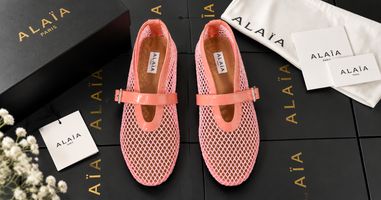
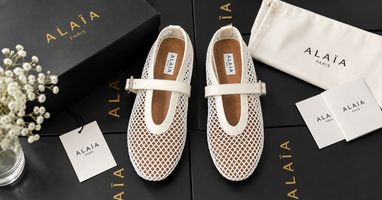
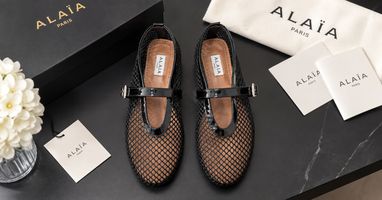
Alaïa fishnet shoes stand out because the open textile upper changes how a ballet flat is perceived. Instead of relying on height or heavy decoration, the design combines mesh structure, leather trim, a strap detail, and a slim profile to create a recognizable silhouette.


The Fishnet Ballerina shows how material choices can influence both appearance and wearing experience. The balance between exposed sections and structured elements gives the pair a distinctive character while keeping the overall construction refined.


1. The Upper Creates the First Impression


The upper is the most defining part of the Fishnet Ballerina. A traditional flat usually presents one continuous surface, while fishnet introduces openings that change the relationship between the shoe, foot, and outfit.


The textile pattern creates movement across the surface without requiring additional decoration. Light passes through the open areas, allowing the shoe to appear less dense than a fully covered flat.


This gives the design a different presence from ordinary ballet shoes made entirely from leather or fabric.


2. Fishnet Changes the Traditional Ballet Flat Structure


The structure of the shoe depends on contrast. The open mesh upper creates openness, while leather elements provide definition around the edges.


Alaïa Fishnet Ballerina Flats replace a single uninterrupted surface with a combination of textile openings and structured trim. This gives the flat a more distinctive appearance without changing its familiar silhouette.


The result is a ballet flat where the material itself becomes the central design element.


3. Transparency Changes Color and Surface Effects


Fishnet is not only a material choice; it changes how color appears once the shoe is worn.


Because parts of the foot remain visible, the upper does not read as one solid shade. The final effect depends on the relationship between the textile, leather trim, skin tone, and surrounding clothing.


This allows the same colorway to create different impressions depending on the outfit.


4. Leather Trim Gives the Upper Definition


An open textile surface could appear visually soft without additional structure. Leather trim changes that by creating clearer borders around the shoe.


The contrast between woven sections and smoother leather creates a layered effect. It also helps define the toe area and outer edges, making the silhouette easier to recognize.

This balance keeps the design refined rather than casual.


The structured approach also explains why Alaïa ballerina shoes can feel distinctive even when they keep a familiar low-profile shape.


5. How Materials Work Together in the Construction


The main difference is not simply that the shoe uses mesh. The more important point is how the material becomes part of the complete construction.


The open upper, leather accents, rounded toe, and strap work together instead of appearing as separate additions. Each element supports the same idea: creating a flat that remains light while still carrying a clear design character.


The combination of materials is what allows the Fishnet Ballerina to look refined while keeping the upper visually open.


6. The Strap Adds Structure Across the Foot


The strap changes both the appearance and balance of the shoe.


Without a strap, an open ballet flat could rely almost entirely on the mesh pattern for definition. The additional line across the foot creates a clearer anchor and gives the upper a more organized appearance.


It also separates the pair from simpler slip-on ballet flats.


7. Material Contrast Creates the Final Design Effect


The Fishnet Ballerina is not defined by one material alone. Its character comes from the relationship between open textile, leather trim, and the ballet silhouette.


The appeal of Alaïa Fishnet shoes comes from how mesh, leather details, and a slim base work together as one construction.


The product page presents this specific Fishnet Ballerina design with its textile upper, leather trim, buckle strap, and rubber sole.


8. The Low Base Keeps the Fishnet as the Main Focus


A heavier sole would change the relationship between the upper and the rest of the shoe. It could draw attention away from the open textile and make the design feel more grounded.


The slim base keeps the mesh pattern, leather trim, and strap as the dominant elements. Instead of competing with the upper, the lower section quietly supports the construction above it.


This helps preserve the light character that defines the Fishnet Ballerina.


9. Different Materials Create Layered Contrast


The appeal of Alaïa Fishnet Ballerina Flats comes from the relationship between different surfaces.


The mesh creates openness, leather adds structure, and the buckle introduces a small hardware element. These features do not need to dominate separately because the design depends on how they work together.


The result is a more complex appearance than a flat made from one material.


10. Styling Depends on How Much Structure Remains Visible


The open construction changes how the shoe interacts with clothing.


Shorter hems reveal more of the mesh and strap, allowing the material details to become a visible part of the outfit. Longer trousers create a quieter effect, with only sections of the upper appearing during movement.


The styling result depends on how much of the construction remains exposed rather than only on the shoe color.


11. Open Materials Need More Attention


The Fishnet Ballerina is distinctive because its construction details are central to the design.


The open sections, leather trim, and hardware naturally deserve more attention during storage and regular use than a basic closed flat would require.


This is part of the trade-off for choosing footwear where the material structure creates much of the character.


12. Material Choices Shape the Final Impression


The Fishnet Ballerina creates its overall effect through the relationship between different surfaces rather than through a single decorative element.


The open textile allows light and skin tone to interact with the shoe, while Alaïa shoes often use material contrast, proportion, and structure to create recognition without relying on excessive decoration. The hardware adds a small point of definition without changing the lightweight character of the upper.


This balance between soft, open areas and more structured materials gives the design its recognizable appearance.


13. The Design Works Because the Elements Support Each Other


The Fishnet Ballerina does not rely on one isolated feature. Its appeal comes from the way the mesh, leather trim, strap, toe shape, and sole create one consistent expression.

The open textile creates lightness, while the leather trim and strap provide the structure needed to keep the silhouette defined.


Removing one of these elements would change the balance. The refined ballet shape gives the material contrast a clear foundation rather than allowing the mesh to appear disconnected.


That relationship is what separates the pair from a standard ballet flat with a simple surface update.

Are Alaïa Fishnet Ballerina Flats Practical for Everyday Wear?Are Alaïa Fishnet Ballerina Flats Practical for Everyday Wear?
Are Alaïa Fishnet Ballerina Flats Practical for Everyday Wear?

Alaïa Fishnet Ballerina Flats can work for everyday wear when the day includes office time, meals, shopping, short city walks, or other moderate activity. The flat construction is easy to style, but the open fishnet upper makes weather, surface conditions, fit, and walking demands more important than they would be for a closed leather flat.


They are therefore better judged by the type of day ahead rather than simply by their low sole.


1. Everyday Wear Means More Than Having a Flat Sole


A ballet flat can appear practical because there is no high heel to manage. That is only the first part of the decision here.


The Fishnet Ballerina combines an open upper, a defined strap, patent leather sections, and a rubber outsole. A day spent moving between an office, restaurant, and shops asks relatively little from the shoe; several hours outdoors on rough or wet streets create a different test.


That distinction matters more than placing every flat into the same everyday category.


2. Coverage Changes How the Shoe Fits Into a Daily Routine


A closed leather flat places a continuous material barrier around most of the foot. Fishnet leaves more exposed, making the textile itself a larger part of the wearing experience.


That makes Alaïa ballerina flats in this construction particularly suited to indoor environments, dry sidewalks, warm afternoons, and days that move between casual and polished settings.


The trade-off is simple: greater openness also means less separation between the foot and its surroundings.


3. The Buckle Strap Adds a Useful Adjustment


A strap across the upper gives the wearer another way to regulate how the shoe sits across the foot.


It should not be treated like support from a walking shoe, but it can create a more defined connection than a completely open ballet flat provides.


Fit still needs to feel secure without excessive pressure. If the strap must be tightened aggressively to keep the shoe in place, the underlying size or fit deserves another look.


4. The Rubber Sole Helps on Ordinary City Surfaces


The rubber outsole gives this pair a more practical base than its delicate upper might initially suggest.


For polished indoor floors, paved sidewalks, office corridors, or ordinary retail environments, that construction makes sense. The outsole handles ground contact while the more delicate design work remains above it.


The upper still needs separate consideration. A practical sole does not make fishnet textile suitable for every surface or weather condition.


5. Shorter Periods of Wear Suit the Upper Better


The design makes the most sense when periods of movement are broken up by time indoors or seated.


Alaïa Fishnet Ballerina Flats can handle ordinary transitions between pavement, interior floors, and social settings without needing the bulk of a heavier shoe. The open upper also keeps the pair from feeling visually dense when worn for several different parts of the day.


What changes the answer is continuous exposure. Hours spent outdoors give dust, moisture, accidental contact, and pavement debris more opportunities to affect the upper.


For this construction, repeated shorter periods of use are a more favorable match than treating the shoe like an all-terrain daily flat.


6. Weather Can Change the Practical Answer Quickly


Dry conditions suit the construction far better than rain, muddy pavement, or dusty routes.


Fishnet exposes more of the upper and leaves less material between the foot and the surroundings. Even if the outsole handles ordinary pavement well, the textile above it remains more sensitive to poor conditions.


That gives the pair a more specific usable environment rather than making it impractical.


7. Office Wear Depends on the Dress Code


The Fishnet Ballerina sits between a traditional ballet flat and a more decorative shoe.


In an office that permits fashion-forward flats, tailored trousers, midi skirts, straight denim on casual days, or restrained dresses can all work well. The open textile adds interest without introducing heel height.


A conservative workplace may be different. Visible fishnet and a prominent strap can read as more expressive than a simple leather flat.


8. A Distinctive Upper Changes What “Everyday” Means


For Alaïa shoes, “everyday” does not have to mean “wear anywhere.”


The Fishnet Ballerina can be repeated regularly because its low base and compact profile fit easily into many outfits. What makes it less universal is the upper, not the silhouette. Open textile reacts more directly to weather, dirt, friction, and crowded environments than a closed leather surface would.


That distinction is useful. A shoe can be worn frequently without being the pair chosen for every possible condition.


Here, practicality comes from using the design in the settings it handles well rather than expecting complete neutrality.


9. Movement Reveals Where the Upper Is Under Tension


Standing still does not show how the mesh behaves once the foot begins to flex.


During walking, watch how the textile sits over the forefoot, whether the strap remains comfortable as the foot bends, and whether one section of the upper appears noticeably more stretched than the rest.


The important test is consistency. The mesh should move with the foot without one area looking excessively taut while another stays loose.


This is more relevant for an open textile upper than a generic “walk around and see if it feels comfortable” test because the construction itself makes tension easier to observe.


10. Open Construction Creates Some Clear Restrictions


The appeal of Alaïa fishnet shoes comes partly from exposing more of the foot, but that same feature changes where they make the most sense.


Heavy rain, rough surfaces, dirty transit routes, or cold conditions are less favorable than clean indoor settings or dry city use. A closed upper offers more protection in those situations.


These are not flaws in the design. They simply define where another pair may perform better.


11. Repeated Contact Matters More With an Open Upper


Daily wear exposes footwear to more than the ground. Chair legs, stair edges, crowded entrances, the side of a desk, or another shoe can all make contact with the upper.


On a solid leather flat, minor contact is concentrated on one continuous surface. Fishnet introduces open sections and finer textile areas, so avoiding repeated rubbing becomes more relevant.


Long hems can also brush across the upper throughout the day. Soft fabric is unlikely to matter much, but rougher seams, embellishment, or repeated friction deserve more attention.


This makes careful movement in crowded or abrasive environments more useful than simply thinking about mileage.


12. Practicality Comes From Matching the Shoe to the Setting


Alaïa Fishnet Ballerina Flats work best when dry surfaces, cleaner indoor settings, moderate movement, and clothing that leaves the upper unobstructed are already part of the day.


Their practical value does not come from behaving like a completely neutral leather flat. It comes from offering a low, wearable construction while keeping the fishnet, strap, and polished trim visible.


For regular use, the strongest match is a routine where the upper is not repeatedly exposed to moisture, abrasion, or rough contact. Under those conditions, the pair can move well beyond occasional wear.

Roger Vivier Shoes: What to Consider Before Choosing a PairRoger Vivier Shoes: What to Consider Before Choosing a Pair
Roger Vivier Shoes: What to Consider Before Choosing a Pair

Choosing Roger Vivier shoes becomes easier once footwear type, heel construction, ornament, and intended setting are considered first. Pumps, slingbacks, loafers, sandals, and embellished designs can create very different impressions even when they share recognizable design cues.


Front profile, heel proportion, material, hardware scale, and color then determine how formal or expressive each pair feels. Trompette heels and crystal accents draw more attention, while cleaner finishes keep the overall effect more restrained and easier to repeat.


1. Start With the Type of Shoe You Will Actually Wear


A striking design can be easy to admire and surprisingly difficult to place into a normal wardrobe. The first question is not which pair has the strongest visual impact, but which footwear format fits the way you already dress.


Pumps work well when tailoring, dresses, or evening outfits appear regularly. Slingbacks create a lighter profile and move easily between polished daytime clothing and dressier looks. Loafers suit trousers, denim, and structured separates, while sandals and mules make more sense for warm-weather use or event dressing.


Starting from footwear type reduces the chance of choosing a beautiful pair that spends most of its time unused.


2. Read the Heel From the Side, Not Just From Its Height


Heel height is only one part of how a shoe presents itself. The side profile can change the balance between the upper, heel, and exposed foot even when two pairs measure similarly.


A straighter heel creates a cleaner vertical line, while a more sculpted construction adds another visible feature to the shoe. This becomes easier to notice with cropped trousers, midi hems, or dresses that leave the back and side fully exposed.


Instead of judging height as a number, consider how much attention the heel draws once the shoe is viewed from several angles.


3. Look at the Front Profile Before the Decoration


Buckles, crystals, and metallic elements attract attention first, but the front profile has a larger effect on how a shoe reads from a distance.


A pointed toe creates a longer visual line and pairs cleanly with tailored clothing. A softer or more rounded front can feel less formal and integrate more easily into daytime dressing. Open-toe formats create another effect, especially under long trousers or dresses.


Someone who already wears pointed pumps regularly will usually find another pointed design easier to integrate than someone whose wardrobe is built around loafers, flats, and softer footwear.


4. Decide How Much Embellishment Fits the Wardrobe


Crystal hardware can turn footwear into the main visual feature of an outfit. That works well when clothing stays controlled, but the same pair may compete with decorated fabrics, large jewelry, or other bright accessories.


For someone building around an embellished pump, Roger Vivier shoes can serve as the starting reference when comparing how much sparkle, hardware, and heel height feel appropriate.


A crystal-accented design can still work beyond eveningwear. Straight trousers, a clean midi dress, or a simple jacket give the footwear enough space without overloading the outfit.


The important factor is not whether embellishment is present, but how much visual competition surrounds it.


5. Pumps and Slingbacks Create Different Impressions


Two shoes can share a similar heel and front profile while producing different results because of the back construction.


A closed pump feels more continuous and formal. A slingback exposes more of the heel, visually lightening the shoe and making the same decoration feel less substantial.


This difference becomes more noticeable in warm-weather dressing. Slingbacks can work particularly well for dinners, receptions, and polished daytime occasions where a fully closed pump may feel heavier.


The choice comes down to the balance between coverage and visual lightness.


6. Materials Influence the Overall Finish


Smooth leather gives a cleaner surface and lets hardware stand out clearly. Suede softens the effect and can make deeper colors appear richer. Mesh introduces transparency and creates a lighter result even when the shoe includes bold ornament.


Material also changes how the shoe works beside clothing. Glossy surfaces can amplify evening styling, while matte finishes reduce contrast. Mesh behaves differently because the foot itself becomes part of the visual composition.


It helps to consider what sits directly above the shoe: bare leg, opaque tights, trousers, or a longer hem.


7. Pumps Work Best When the Outfit Leaves Them Some Space


Highly recognizable footwear does not need complicated styling around it. Cleaner clothing usually makes the design easier to appreciate.


Roger Vivier pumps can work particularly well with straight trousers, cropped tailoring, midi skirts, and dresses where the hem leaves enough of the shoe visible. If the trouser opening completely covers the front and heel, much of the design disappears.


Color also matters. Neutral tones are easier to repeat, while brighter colors can become a deliberate focal element.


Neither approach is better; they simply create different levels of visual commitment.


8. Check How Securely the Shoe Holds the Foot


A decorative upper can attract most of the attention, but how the shoe holds the foot becomes more important once it is worn for more than a short event.


Closed pumps rely on the relationship between the heel cup, vamp, and toe area. Slingbacks depend more heavily on strap placement and tension. Mules remove rear support almost entirely, which changes how the foot moves inside the shoe.


This is worth considering before choosing purely by appearance. Two equally elegant designs can feel very different once movement, stairs, standing, and repeated walking enter the picture.


9. Decide Whether the Front or the Heel Should Lead


Some designs place most of their visual weight at the front through crystal buckles, metallic hardware, or a pronounced toe. Others become more recognizable from the side because the heel itself carries more character.


When looking at Roger Vivier shoes, it helps to decide which area you want people to notice first.


A stronger front works well when trousers or skirts leave the toe and vamp visible but partly cover the heel. A more distinctive heel becomes more effective when the full side profile stays exposed.


If both areas are highly decorative, the rest of the outfit usually benefits from fewer competing elements.


This creates a clearer way to compare designs than treating every buckle, heel, and finish as separate features.


10. Hardware Scale Changes How Formal the Shoe Feels


Not all decorative hardware creates the same effect. A smaller buckle or lighter crystal treatment can add polish without dominating the shoe, while a larger or more densely embellished element pushes the design toward a stronger occasion look.


Scale becomes particularly important on a compact upper. A large front ornament occupies more of the visible surface, so the shoe can feel more decorative even when the heel and color stay restrained.


Crystal density matters too. A concentrated cluster reflects light differently from a cleaner metallic buckle, especially under indoor lighting.


This makes hardware size and surface treatment useful comparison factors when two pumps share a similar silhouette but create very different levels of formality.


11. Trompette Designs Change the Rear Proportion


The Roger Vivier Trompette line brings more character to the back half of the shoe through a heel that widens and changes proportion as it meets the ground.


That construction is easier to recognize from the side and rear than from a straight front view. On a closed pump, it creates a stronger contrast between the streamlined upper and the wider base. On a slingback, more of the heel remains exposed, making the rear profile even more visible.


This matters most when hems stop above the ankle or when a dress leaves the full shoe uncovered.


The effect is distinctive without depending entirely on front ornament, which gives Trompette designs a different visual balance from pumps where the buckle carries most of the character.


12. Use Color to Control How Visible the Design Feels


Color does more than determine how easily a shoe matches clothing. It also changes how clearly the buckle, heel, and upper separate from one another.


Dark tones can make the construction feel more unified, allowing metallic or crystal elements to stand out more sharply. Lighter shades expose more of the shoe’s contours and can make the full design appear softer. Metallic finishes bring the surface itself into the visual equation because reflected light changes as the wearer moves.


A stronger color can work especially well when the silhouette is familiar. The shoe remains easy to understand visually, but the color carries more of the impact.


13. Formal Details Can Work Better With Simpler Clothing


Crystal ornament and sculpted heels do not automatically require a formal dress.


One effective approach is to pair a more decorative shoe with clothing that has fewer visual features: clean trousers, a plain knit, a straight skirt, or a restrained dress. The contrast lets the footwear retain its character without making the whole look feel ceremonial.


This is especially useful for designs that sit between evening footwear and polished daytime dressing.


Rather than trying to make the shoe casual, the goal is to give its strongest elements enough room to register.


14. The Best Choice Depends on Which Element Should Stand Out


There is no single model that works best for every wardrobe. Someone seeking a stronger evening option may prefer crystal hardware and a more expressive heel, while another person may want the same recognizable design language in a quieter form.


That is why Roger Vivier shoes are easier to compare when front ornament, heel profile, and wearing context are considered together.


The strongest choice is the pair where those three elements feel balanced: enough ornament to create character, enough heel presence to support the silhouette, and a level of formality that suits how the shoe will actually be worn.

Alaïa Shoes: What Makes the Fishnet Ballerina Flats Stand Out?Alaïa Shoes: What Makes the Fishnet Ballerina Flats Stand Out?
Alaïa Shoes: What Makes the Fishnet Ballerina Flats Stand Out?

Alaïa shoes stand apart when footwear needs more character than a conventional flat can provide. The Fishnet Ballerina combines an open textile upper, patent leather accents, a low profile, and a buckle strap, creating a design that feels light on the foot while remaining recognizable.


Its appeal comes from the contrast between transparency and structured trim. That balance changes how the shoe works beside trousers, skirts, and dresses, making it especially relevant for anyone who wants a flat to contribute something noticeable without overwhelming the outfit.


1. Start With the Contrast Between Openness and Structure


The open upper immediately separates this design from a standard leather ballet flat. Fishnet textile exposes more of the foot, making the shoe feel lighter even beside heavier fabrics.


Patent leather trim gives the upper a defined boundary. That contrast works especially well under wide trousers, longer skirts, or fuller dresses because the footwear keeps the lower part of the outfit from feeling too heavy.


2. The Construction Is More Important Than Decoration


Mesh is not simply added as a surface accent here. The open textile, patent leather, buckle strap, and rubber sole each contribute a different function and effect.


The upper of Alaïa Fishnet Ballerina Flats breaks what would normally be one continuous surface into smaller lines and open spaces. The foot itself therefore becomes part of the composition.


The result feels distinctive without relying on a high heel, oversized hardware, or a heavy sole.


3. The Low Sole Lets the Upper Do More of the Work


Because there is very little height beneath the foot, attention stays on the fishnet, patent trim, and strap rather than on the sole.


That matters here more than it would on a plain flat. A thicker base would compete against the open upper and make the design feel heavier. The slim base instead leaves the mesh as the strongest feature.


It also gives the pair a cleaner relationship to hems. Rather than creating a separate block below trousers or dresses, the shoe reads more closely with the foot.


4. The Ballerina Format Feels Different Here


The overall profile is still recognizably that of a flat, but the open upper changes the familiar formula. Instead of one uninterrupted material from toe to opening, fishnet introduces transparency across much of the foot.


Patent trim restores definition around the perimeter, while the rounded front keeps the design from becoming severe.


This treatment gives Alaïa ballerina flats more structure than a plain ballet shoe, especially once the strap adds a stronger horizontal line across the upper.


5. The Strap Helps Control the Balance


The buckle strap is functional, but it also changes how the upper is read from a distance. Without it, the open textile could appear almost weightless across the center.


The strap creates a clear interruption and draws attention toward the middle of the foot. This works well beside clean trousers or simple skirts because it adds definition without substantial bulk.


For someone seeking very discreet footwear, the strap may feel noticeable. For someone who wants a recognizable design feature, it is one of the pair’s strongest elements.


6. Why This Pair Is an Easy Introduction to the Brand


The Fishnet Ballerina brings several recognizable ideas together in one pair: open textile, contrasting leather, a low sole, and a prominent strap.


For readers considering Alaïa shoes, this combination offers an immediate sense of how the brand can make a flat feel distinctive without relying on height or heavy construction. Straight-leg denim, tailored trousers, or a simple midi skirt can leave enough space for those elements to register.


Rather than trying to be universally neutral, the pair works best when some texture and definition from the footwear are welcome.


7. Hem Placement Decides Which Part of the Shoe Leads


Different hems reveal different parts of the design. A cropped trouser exposes the buckle, mesh, and toe together, so the full construction becomes visible in one view.


A longer hem can hide the strap and leave mainly the front section exposed. In that setting, the pair appears less like a statement ballet flat and more like a textured toe emerging below the fabric.


This gives the same shoe two very different effects. The change comes from how much of its construction the outfit reveals.


8. Transparency Changes the Way Color Reads


Color does not appear as one uninterrupted block because skin remains visible between sections of textile. The upper therefore combines the shoe shade, trim, and the wearer’s skin tone.


A dark version can feel lighter than a fully closed black flat, while pale versions appear even less dense beside bare legs or light fabrics.


That interaction is why Alaïa Fishnet Ballerina Flats are better judged by color and transparency together rather than by the listed shade alone.


9. Texture Becomes the Main Source of Contrast


The pair does not need strong color contrast to stand out. Fishnet already creates variation because the surface alternates between textile, open space, skin, and glossy trim.


That makes solid fabrics especially useful partners. Denim, wool trousers, cotton skirts, or a smooth dress create a clear difference in surface treatment without making the lower half overly busy.


If the clothing already contains lace, netting, or dense repeated motifs, the combination becomes more complex. Spacing and proportion matter more in that setting than simply matching colors.


10. Seasonal Use Comes Down to Material Contrast


The open construction immediately feels compatible with lighter fabrics, bare legs, and warmer-weather dressing, but seasonality here is mainly about material balance rather than a strict calendar rule.


Linen, cotton, silk, and lightweight denim echo the airy quality of the upper. Heavier wool or dense outerwear create a sharper contrast, which can make the shoe appear finer by comparison.


The pair can therefore move beyond summer as long as the light fishnet construction still makes sense beside the fabrics around it.


11. Daily Wear Depends on What the Upper Has to Handle


A flat profile does not automatically make this construction suitable for every type of day. Fishnet textile leaves more of the upper exposed than a closed leather shoe, so the environment becomes part of the decision.


For Alaïa shoes built around this kind of open construction, dry city use, indoor settings, dinners, office days, and shorter periods outside suit the material more easily. Wet pavement, dusty routes, or rough surfaces ask more from the upper.


The rubber sole adds practicality underfoot, but it does not turn an open textile ballerina into an all-condition shoe. That distinction is more useful than treating every low flat as interchangeable.


12. Monochrome Outfits Let the Surface Contrast Show


A single-color outfit can make the construction easier to notice because the interest comes from surface differences rather than competing shades.


Smooth tailoring beside fishnet creates one kind of contrast, while denim or matte cotton produces another. Patent trim adds a small reflective element that keeps the upper from blending completely into the rest of the look.


This approach works especially well when the outfit stays restrained but still needs variation near the ground.


13. Its Strength Is Specificity, Not Neutrality


A plain leather ballet flat can disappear into many outfits. This pair does something different: it adds a recognizable material treatment every time enough of the upper remains visible.


That makes it useful for wardrobes built around simple dresses, tailoring, denim, or restrained color palettes where footwear can carry more of the interest.


Complete discretion is not really the purpose here. The Fishnet Ballerina earns its place by adding a controlled amount of texture and definition rather than behaving like an anonymous everyday flat.


14. Decide Whether That Character Fits Your Wardrobe


Transparency, fine texture, and a defined strap matter most when they complement clothing you already own. The design is easiest to appreciate when enough of the upper remains visible for those elements to register.


Alaïa ballerina shoes in fishnet pair especially well with clean trousers, dresses, skirts, and understated separates because those pieces leave room for the construction to contribute without complicated styling.


A wardrobe that already favors clean lines and low-profile footwear gives this design a clear place. When footwear needs to stay almost unnoticed across most settings, a simpler closed flat will usually be easier to integrate.

Are Neous Mules Comfortable and Practical for Everyday Wear?Are Neous Mules Comfortable and Practical for Everyday Wear?
Are Neous Mules Comfortable and Practical for Everyday Wear?

Neous mules work best for someone who wants a clean, low-profile shoe that can move between tailored clothing and simpler everyday outfits. The main considerations are how securely the upper holds the foot, how the open back feels while walking, and whether the construction suits the amount of movement planned.


They make particular sense for office wear, dinners, short city outings, and wardrobes built around restrained proportions. Longer walking days deserve more careful judgment because an open-back design behaves differently from a sneaker, loafer, or enclosed flat. Fit, pace, surface, and expected wear time should all be weighed before styling becomes the deciding factor.


1. Start with How the Shoe Will Actually Be Used


Mules can look straightforward on a product page, yet small construction differences change the way they feel once worn. An open back removes one source of support, leaving the upper to do more of the work in keeping the foot connected to the sole.


That becomes more noticeable during repeated walking than during short periods indoors. A pair suited to an office or restaurant may feel quite different after several hours around the city.


How the shoe fits into the day matters more here than how simple the design appears at first glance.


2. Look at the Upper Before Judging the Overall Silhouette


With Neous women mules, how much contact the upper has with the foot deserves attention first. Greater coverage can create a more controlled feel, while a more open design makes fit across the front and instep more important.


Strap position matters as well. One sitting farther forward affects movement differently from one placed closer to the instep.


Images from several angles can reveal where the upper meets the foot and how much open space remains around it.


3. A Flat Profile Changes What Matters Most


A flat or very low profile removes some concerns linked to high heels, but it does not automatically make a mule suitable for extended walking.


Sole flexibility, upper placement, underfoot feel, and movement inside the shoe still count. The heel also remains free, creating a different stride from an enclosed design.


Once walking becomes quicker or more continuous, the important part is whether the foot remains settled rather than sliding or needing constant adjustment.


4. Jacqui Brings the Decision Down to Specific Construction


Within the collection, Neous mules show how a low-profile, open-back construction can keep the design visually light while placing more importance on upper placement and foot retention.


The Jacqui design makes those proportions especially easy to assess because its strap arrangement leaves much of the foot visible. That affects how securely the shoe stays in place during short walks, standing, and changes of direction.


The pared-back upper also makes proportion more noticeable. Trouser length, hem width, and the amount of visible foot can alter the overall effect considerably.


For someone considering this specific model, the product page provides the clearest reference for the available version before the broader guidance here is applied.


5. Foot Retention Matters More Than It Does in a Closed Shoe


Closed shoes may use a heel counter, back strap, or enclosed upper to keep the foot in position. A mule depends on a different balance.


If the front feels loose, the wearer may shorten the stride or grip more using the toes. Excess pressure across the upper creates the opposite problem.


A few steps while standing and moving will reveal more than simply checking whether the foot fits inside the sole.


6. Daily Comfort Depends on Distance, Surface, and Pace


How Neous Jacqui mules feel over the course of a day changes according to the amount and type of movement involved. Indoor flooring, short pavement sections, office movement, and dinner plans place different demands on footwear than uneven streets or several hours outside.


Someone already accustomed to open-back footwear may find the transition easier than a person who mainly wears sneakers, loafers, or enclosed flats.


Comfort is shaped by fit, walking time, surface, pace, and individual tolerance rather than one feature in isolation.


7. Decide Whether This Format Fits Your Routine


A minimal sandal-mule profile can suit a wardrobe where footwear is meant to complete an outfit without dominating it. Less enclosure, however, may feel less secure once the walking pace increases.


The fit and wearing notes examine that model-specific decision in greater depth, including where this type of construction tends to make the most sense.


If most use involves shorter city distances, indoor events, office settings, or evenings out, the format is easier to justify than when the shoe is expected to replace a dedicated walking pair.


8. Trouser Length Can Change the Whole Effect


Mules leave more of the foot exposed than loafers or pumps, making the transition between trouser hem and shoe part of the styling decision.


An ankle-length straight trouser keeps the construction visible. A longer wide-leg trouser covers more of the upper, allowing the shoe to become a quieter finishing element. Cropped denim creates more open space above the foot and changes the proportion again.


The main decision is whether the footwear should register clearly or simply complete the lower line of the outfit.


9. Minimal Styling Does Not Mean Every Outfit Works Equally Well


Because Neous mules sit comfortably within a cleaner design language, they can integrate easily into pared-back wardrobes. Some combinations still work better than others.


Heavy fabrics can visually overpower a light open shoe, while very casual clothing may create stronger contrast when the footwear has a more precise finish.


Tailored trousers, clean denim, column skirts, fluid dresses, and restrained separates tend to keep the balance more consistent.


Color affects that balance too. Tonal combinations emphasize proportion, while contrast creates a clearer break around the foot.


10. Work and Dinner Place Different Demands on the Same Pair


An office day may involve long periods of sitting broken up by short walks, stairs, meetings, and commuting. Dinner wear can involve less movement while putting greater emphasis on how the shoe sits beside trousers, skirts, or dresses.


For work, repeated movement deserves more weight. For dinner or an event, visual balance may become the stronger consideration.


A separate work-to-dinner wear analysis looks more closely at those differences.


The same pair can feel well suited to one setting and less convincing in another, even when the outfit itself works.


11. A Minimal Upper Can Make Fit More Visible


With Neous women mules, there is less material to disguise an imperfect fit than in many enclosed shoes.


If the foot extends noticeably beyond the intended area of the sole, the imbalance is easy to spot. Excess empty space can be just as visible.


The upper should also sit cleanly rather than appearing strained in one area and loose in another.


Front, side, and angled product images become particularly useful when making that assessment online.


12. Travel Use Requires a More Specific Decision


Mules can be convenient during travel because they are easy to put on and remove, but convenience does not automatically translate into all-day walking comfort.


Airports, hotels, meals, and short transfers can suit this type of footwear well. Long sightseeing days may call for something more secure depending on distance and terrain.


A more practical packing approach is to use the mule for polished parts of the trip and keep a walking-focused pair for higher-mileage periods.


13. The Best Choice Depends on What You Want the Shoe to Replace


Before choosing Neous mules, identify which pair already in the wardrobe they are expected to replace.


If that pair is a pump, dress sandal, or polished flat used for shorter periods, the transition can be fairly direct. If it is a sneaker worn for several hours of continuous walking, expectations need to change.


Thinking in terms of replacement makes it easier to tell whether the pair fills a real gap or simply repeats something the wardrobe already covers.


14. Build the Decision Around the Wardrobe You Already Wear


The strongest reason to choose this category is not that it works with every outfit. It is that the design can connect easily to clothes already worn on a regular basis.


Start with the trousers, denim, skirts, dresses, and jackets that appear most frequently. Then consider whether an open, low-profile shoe improves those combinations or creates another item that needs special styling.


For a more outfit-focused approach, the wardrobe pairing framework examines how this type of footwear works across different proportions and clothing categories.


The pair makes the most sense when its fit, walking demands, and proportions already match the way the wardrobe is used.

Neous Sandals: How to Choose the Right Style for Your WardrobeNeous Sandals: How to Choose the Right Style for Your Wardrobe
Neous Sandals: How to Choose the Right Style for Your Wardrobe

Neous sandals suit wardrobes built around clean lines, controlled proportions, and footwear that can move from daytime dressing into more polished occasions. Heel height, strap placement, material, toe profile, and visual emphasis usually decide which pair fits a wardrobe best.


A sandal can look minimal in a product image yet become much more noticeable once the toe, heel, straps, and exposed foot are viewed together.


1. Decide How Much Attention the Shoe Should Carry


Some sandals sit quietly beneath an outfit. Others become one of its main visual elements even though they use very little material.


Thin straps, exposed sections of the foot, a defined heel, or an elongated toe can make a small shoe visually prominent.


If your wardrobe already includes strong silhouettes, jewelry, prints, or unusual tailoring, quieter footwear may create better balance. Simpler clothing can support a more directional heel, asymmetric strap, or decorative element without making the outfit feel busy.


2. Check How Heel Height Changes the Front of the Foot


Heel height affects more than overall appearance. As the heel rises, pressure shifts forward, which can make front straps, toe placement, and the amount of exposed foot more important.


A mid-height heel can keep the shoe polished without pushing the foot too aggressively toward the front. Higher heels create a sharper line, but they also make strap placement and front support more critical.


Pay attention to whether the toes remain comfortably positioned and whether the foot appears to slide toward the front edge. On an open sandal, these small fit differences are more visible than they would be inside a closed shoe.


3. Look Closely at Strap Placement


Two sandals can use similar materials yet feel quite different once the straps are arranged differently.


A slim front strap exposes more of the foot and creates a lighter effect. Crossing straps add more structure and can make the footwear more noticeable.


Rear or ankle straps also change how secure the shoe feels. Check where the straps meet the sides of the foot and whether the construction suits your foot width, instep, and expected amount of walking.


4. Decide Whether an Open Sandal Fits Your Wardrobe


The appeal of a sandal comes partly from openness. Less coverage can make cropped trousers, wider-leg pants, dresses, and warm-weather tailoring feel lighter.


That becomes less useful when your wardrobe requires more coverage, frequent outdoor walking, or colder-weather wear. In those cases, a pump, loafer, or closed slingback may work across more situations.


For a product-level example, Neous sandals show how leather, rear support, an open construction, and decorative elements can sit within a polished sandal format.


The real question is whether that amount of exposure suits the clothes, climate, and occasions already present in your wardrobe.


5. Toe Design Changes the Overall Proportion


The front of the shoe affects how it interacts with trousers, skirts, and the visible line of the leg.


A rounded toe feels softer. A square toe introduces a more graphic finish, particularly on a minimal upper. A more elongated front can look sharper beside tailored clothing.


Neither direction works for every wardrobe. Fluid dresses and softer fabrics may suit a quieter front profile, while structured trousers and crisp skirts can support a more angular design.


6. Consider the Space Between Hem and Shoe


Sandals are strongly affected by hem length because more of the foot remains visible.


Full-length trousers may reveal only the toe and heel. Cropped trousers show the strap arrangement. Midi skirts expose even more of the shoe, while shorter hems make the full construction part of the outfit.


The same sandal can therefore look understated under long trousers and much more expressive beside a shorter dress.


Picture the shoe under the hem lengths you wear most before deciding.


7. Use Hem Length and Foot Exposure as a Pair


The most useful sandal is not always the one that works with the largest theoretical number of outfits. What matters more is how much of the shoe will actually remain visible beneath the clothes you wear.


Neous women sandals can work differently under wide-leg trousers, cropped pants, midi skirts, or shorter dresses because each exposes a different amount of the foot and strap construction.


Longer hems reduce visual emphasis and let a more decorative shoe feel quieter. Shorter hems reveal more of the design, so strap placement, toe profile, and embellishment become stronger parts of the outfit.


For a more focused look at rear support and movement, use a closer look at slingback wear.


8. Decide How Formal the Sandal Should Feel


Not every polished sandal needs to read as evening footwear.


Heel profile, material, strap width, toe design, and embellishment all affect how formal the shoe appears. A slim heel and decorative upper can push the design toward dressier use, while broader straps or a quieter finish may make it easier to pair with simpler clothing.


What matters is matching that level of polish to the clothes you actually wear rather than dressing for one isolated occasion.


A sandal that sits between casual and highly formal dressing can usually move across more outfits without looking either underdressed or overly elaborate.


9. Let Color Support the Construction


Neutral shades are frequently described as versatile, but color cannot correct a sandal that does not suit the rest of the wardrobe.


Black adds definition. Pale neutrals create a lighter effect. Browns work well beside warm neutrals, denim, linen, and earth tones. Metallic finishes can behave almost like jewelry.


The more distinctive the heel or strap arrangement, the less color needs to do. A very minimal sandal can use color as its main source of emphasis.


Judge the construction first, then the shade.


10. Leather Matters More on Minimal Designs


Minimal footwear leaves fewer elements to distract from the material, so leather becomes more visible.


Neous leather sandals suit this type of design because the material can add substance without making the shoe visually complicated. Smooth leather sharpens clean lines, while softer finishes can reduce formality.


Dark leather may appear more graphic; pale leather can make the same construction feel lighter.


For a more detailed material comparison, continue to a material-focused look at leather sandals.


11. Keep Decorative Elements Controlled


A bow, buckle, sculptural heel, metallic piece, or unusual strap does not automatically make a sandal difficult to wear.


One decorative feature on an otherwise restrained shoe can become a clear focal element.


A shoe becomes harder to balance when the toe, straps, heel, material, and decoration all demand attention at the same time.


If one decorative feature is the reason you like the shoe, let it remain the main emphasis.


12. Slingback Construction Needs a Separate Fit Check


Rear straps change how a sandal behaves during movement. They can provide more support than a completely open heel, but effectiveness depends heavily on fit.


Neous slingback sandals should be judged by more than side-view appearance. Check how the strap sits around the heel, whether it stays secure during a normal stride, and whether the front allows the foot to sit correctly.


Heel width, instep height, and overall foot length can all affect placement, so fit matters even more when the shoe is intended for longer wear.


13. Let Embellishment Match the Amount of Visible Shoe


Decorative sandals become more noticeable as more of the foot and shoe remain exposed.


A bow, metallic accent, or sculptural element may sit quietly beneath full-length trousers but become much more prominent with a midi skirt or shorter hem.


That does not mean decoration needs to be avoided. It simply works best when the rest of the outfit leaves enough visual space around it.


If the sandal already contains a strong focal element, simpler clothing can keep the overall look controlled.


For styles where embellishment carries most of the visual emphasis, a closer look at decorative sandal styling explores that balance in greater depth.


14. Judge the Shoe as One Complete Composition


The best Neous sandals are not necessarily the most minimal or the most decorative. A successful pair is one where foot exposure, strap placement, heel profile, material, and embellishment feel visually connected.


Start by looking at how much of the foot remains visible. Then check whether the front and rear support feel balanced and whether the shoe carries the right amount of visual weight for the hems you wear most.


From there, material and decoration become easier to judge.


When those elements work as one composition, the sandal feels connected to the wardrobe instead of looking like a separate statement that every outfit has to accommodate.

Are Neous Irena Pumps Practical for Everyday Wear?Are Neous Irena Pumps Practical for Everyday Wear?
Are Neous Irena Pumps Practical for Everyday Wear?

Neous Irena pumps can work for everyday wear when the day includes controlled walking, indoor time, commuting, meals, or shorter social plans rather than hours continuously on foot. Slingback construction, mesh, heel height, and forefoot contact matter more than whether the shoe simply looks dressy.


The real test is the routine. A pair that works well from office to dinner may be less convincing for long outdoor routes or extended standing.


1. Everyday Wear Is Not One Type of Day


A shoe can look right beside everyday clothing without being suitable for every schedule.


Short commutes, desk-based work, lunch, nearby shopping, and dinner create a very different workload from several hours of uninterrupted walking.


What matters most is how much movement and standing the day actually contains.


2. The Back Strap Changes More Than the Look


A slingback leaves the heel open while using a strap to keep the shoe connected to the foot.


Security depends on strap placement, heel movement, foot proportions, and whether the strap stays where it should during walking.


Someone used to fully enclosed pumps may notice the difference quickly. Regular slingback wearers may find the transition easier because the open heel already feels familiar.


3. Front Fit Becomes More Important Over Time


The front of the shoe carries much of the load during walking, especially when the toe area is more defined.


For that reason, Neous Irena pumps should be judged by how the upper sits around the forefoot, how much room the toes have, and whether pressure develops during repeated steps rather than by appearance alone.


A fit that feels fine for ten minutes may not feel the same after commuting, standing, or several hours indoors.


Anyone planning to wear the pair for longer periods should pay close attention to the forefoot before deciding how demanding the day can be.


4. Mesh Feels Different From a Solid Upper


Mesh creates less solid coverage than a conventional leather upper, giving the front a lighter, less enclosed feel.


Softer sections may flex more easily, while reinforced edges or trim can create firmer contact in specific areas.


The visible transparency tells only part of the story. During movement, the way those edges sit against the foot can matter just as much.


5. Heel Height Becomes More Noticeable With Time


A heel that feels manageable for a meal or a few indoor hours may become harder to forget once walking time increases.


Distance, pace, stairs, and periods of standing all add to the workload.


For a mostly seated workday followed by dinner, that may still be manageable. A day built around moving between stores, transit stops, or several neighborhoods asks much more from the same construction.


6. Satin Trim Looks Refined but Deserves Care


Satin edging gives a mesh upper clearer definition and adds a more polished finish.


It also benefits from gentler use than a surface intended for rough daily wear. Repeated friction against stairs, luggage, or crowded transit can be harder on finer materials.


That does not make the pair too delicate for regular rotation, but controlled indoor settings suit it better than demanding outdoor use.


7. Not Every Commute Tests a Shoe the Same Way


Neous Irena pumps are easier to justify for a commute combining transport, short walking sections, and indoor time than for a day dominated by long-distance walking.


A car-to-office routine, rideshare journey, or short train connection creates fewer continuous steps. Crossing a city on foot for hours puts more pressure on the strap, heel, forefoot, and upper.


The word “commute” covers a wide range of routines, so the pair only needs to work for the one the wearer actually has.


8. Desk-Based Work Is a More Natural Fit


An office day can suit this type of slingback particularly well when movement is mostly between a desk, meeting room, lunch location, and nearby transport.


The shoe can still contribute to the outfit without being asked to handle constant walking.


Tailored trousers, straight-leg pants, midi skirts, and simple dresses all work here because the setting gives the shoe room to look polished without demanding too much from it physically.


9. Standing Can Be More Demanding Than Expected


Walking and standing do not place pressure on the foot in exactly the same way.


A shoe may feel secure in motion but become less forgiving after a long period spent standing. Receptions, work functions, and dinners can therefore feel different from a day broken into short periods of walking and sitting.


Heel height and forefoot pressure usually become easier to notice when there are fewer chances to change posture.


10. Weather Can Change the Decision Quickly


Mesh, lace effects, and satin trim are easier to manage in dry conditions.


Rain, wet pavement, and dust introduce practical concerns that have little to do with styling. If the forecast is uncertain or the day involves a lot of outdoor time, a more weather-tolerant pair may make more sense.


That is less a weakness than a boundary around where this construction works best.


11. Everyday Does Not Have to Mean All Day


A shoe can be worn regularly without needing to handle twelve hours on foot.


Neous Irena pumps can fit recurring situations such as office days, lunches, short appointments, dinners, indoor events, or evenings where walking stays moderate.


Someone whose routine involves long walks or extended standing most days may need a different primary pair. A more controlled schedule makes this design much easier to return to.


12. Who Will Get the Most Use From This Pair?


This design makes the most sense for someone who wants a refined slingback for work, meals, social plans, and other settings where walking remains moderate.


It is less suited to anyone looking for one pair to handle long city routes, poor weather, rough surfaces, or continuous standing.


The better question is not whether the shoe is “comfortable enough” in general. It is whether the hours, movement, surfaces, and conditions of the wearer’s normal day match what the construction does well.


For the right routine, it can become a regular dressier option instead of a pair saved only for occasional events.

How to Choose Neous Shoes for Different Outfits and OccasionsHow to Choose Neous Shoes for Different Outfits and Occasions
How to Choose Neous Shoes for Different Outfits and Occasions

Choosing neous shoes works best when the outfit and setting come first. Heel preference, foot coverage, material, and the amount of time the pair will be worn can then narrow the options. A design that looks refined on its own may read very differently beneath wide trousers, a midi skirt, or a simple evening dress.


Rather than judging one feature at a time, it helps to look at how the shoe interacts with everything around it.


1. The Setting Changes What Matters Most


A pump, mule, slingback, or flat can cross several dress codes, so shoe category does not always need to be the starting point.


Dinner may allow a sharper profile or more visible texture. Repeated daytime wear puts greater emphasis on fastening, coverage, heel height, and how the upper sits around the foot.


Workwear introduces a different balance. Tailored trousers or a clean midi skirt may benefit from polish without requiring the shoe to become the strongest element in the outfit.


Weekend clothing leaves more room for mesh, open heels, contrasting trim, or other features that would be more noticeable beside formal tailoring.


2. How Much of the Foot Should Stay Visible?


Coverage changes the impression of a shoe quickly. A closed upper creates a more contained look, while mesh, cutouts, and open constructions reveal more of the foot and reduce the amount of solid material below the hem.


Slingbacks occupy the space between a closed pump and a mule. The front remains defined, while the exposed heel removes some visual weight from the back.


When comparing neous shoes, this distinction matters because the same pair can appear understated beneath full-length trousers and considerably more prominent below a midi skirt. That difference is worth considering before color or decorative trim becomes the deciding factor.


3. Heel Height Also Changes the Clothing


Heel height is not only about formality.


A higher heel changes the angle of the foot and can affect where longer trousers meet the shoe. Beneath a midi skirt, it can also make the visible space between hem and floor feel more elongated.


Lower heels usually sit more comfortably inside everyday proportions, especially when the upper already contains noticeable texture or transparency.


Wearing time matters here too. A heel that works well for dinner does not automatically make sense for several hours of movement, even when it looks better beside a particular trouser length.


4. What the Hem Actually Reveals


Wide trousers may show little beyond the toe, while cropped trousers expose the upper, sides, and heel area. A midi skirt can leave almost the entire shoe visible, giving transparent panels, trim, and heel form much more influence.


Instead of judging the shoe separately, picture the exact amount that will remain visible once the outfit is on. A feature that seems subtle in isolation can become the strongest element below a shorter or more open hemline.


5. Sheer Materials Carry Less Visual Weight


Mesh and other semi-transparent materials do not create the same solid block as leather or satin.


A pointed shoe can therefore keep a defined outline while appearing lighter across the upper.


This can be useful beside long skirts, column dresses, or tailored trousers where another fully opaque element might make the lower half feel heavier.


Trim changes the effect. Lace, piping, or satin edging can redraw the boundaries of a sheer upper and make the construction easier to read.


For a closer analysis of how sheer materials change the look, the material-focused guide examines how transparency, trim, and surface contrast affect the overall impression of the shoe.


6. Why an Open Heel Can Change the Whole Pair


Slingback construction keeps more structure across the front while leaving the heel exposed. That makes the shoe feel less enclosed without removing the definition of a pump.


The Neous Irena slingback pumps show how a defined front, lighter upper, and open heel can divide the shoe into several visual areas instead of one continuous surface.


For some outfits, that is enough to soften a dressier profile without moving all the way toward the openness of a mule.


7. Contrast Does Not Have to Come From Color


A shoe can stand apart from an outfit even when the colors are similar.


Transparency, surface texture, edging, and structure can all create contrast. A monochrome outfit, for example, may leave enough visual space for a more intricate upper without looking overloaded.


Busy clothing changes that calculation. Pattern, shine, hardware, or several competing fabrics can make another highly worked surface unnecessary.


A tonal shoe may therefore become the stronger visual feature, while a contrasting color in a simpler construction can feel comparatively restrained.


8. Refined Footwear Can Work Outside Formal Dressing


A dressier shoe does not have to wait for a dressier outfit. Straight jeans, simple trousers, or a minimal knit can give a structured slingback or delicate pump enough contrast to feel deliberate rather than overdressed.


The relationship reverses in formal clothing. Instead of standing apart, the same shoe becomes part of a more continuous polished look.


That flexibility matters when one pair needs to cover several kinds of occasions rather than depend on a single outfit formula.


9. Everyday Wear Has More Than One Variable


Heel height receives a lot of attention, but it is only one part of practical wear.


Heel security, toe space, how the upper sits against the foot, and stability during repeated movement all affect how a shoe performs across several hours.


Material can change the experience as well. A softer or more open upper behaves differently from a denser construction.


The intended routine matters more than a simple “comfortable” or “uncomfortable” label. Commuting, shopping, dinner, short indoor wear, and extended walking all place different demands on the same pair.


Anyone evaluating the shoe specifically for repeated daytime use can refer to a closer look at everyday wear, which focuses more closely on wear duration, movement, and practical use rather than styling.


10. Simple Clothing Makes Texture More Visible


Clean surfaces and restrained colors leave less competition around the shoe. That is where Neous shoes featuring mesh, lace effects, satin edging, or mixed surface treatments can make a stronger impression than their color alone would suggest.


Transparent sections can make a dark shoe feel less solid, while defined edging can make a pale upper easier to read from a distance.


When the outfit already combines several fabrics or decorative elements, the opposite approach may work better. A quieter shoe can prevent the lower half from becoming visually crowded.


11. Evening Dressing Is Not Just About a Higher Heel


A long trouser line may need little more than a clean toe and slim front profile.


A midi dress reveals much more of the shoe, so upper construction and heel form become more influential. Shorter hems increase that exposure again.


For dinner or an event, the amount of visible shoe can matter more than choosing the most decorative pair available.


A simple dress can carry stronger texture or transparency, while clothing that already uses embellishment, volume, or shine may need less from the footwear.


12. Versatility Has a Practical Boundary


One pair can move between smart casual clothing and more polished evening outfits without needing to work in every possible setting.


Straight trousers and a knit can keep a slingback grounded during the day.


Cleaner tailoring or a simple dress can make the same design feel more polished.


There are situations where that flexibility stops. Delicate uppers are less suitable for rough surfaces, poor weather, or long stretches outdoors. Higher heels may also become less appealing as walking distance increases.


A versatile shoe is one that covers several realistic situations well, not one expected to handle every environment.


13. Let the Outfit Set the Final Priorities


The most reliable way to choose neous shoes is to work backward from what will be worn above them. Hem length determines how much of the shoe is exposed; transparency, structure, heel height, texture, and heel coverage can then be weighed according to how much influence the footwear should have.


A more detailed discussion of styling the silhouette across different outfits can help when the final decision depends on trousers, skirts, dresses, and how each changes the balance of the shoe.


The better choice is usually the pair that settles into the outfit without needing the rest of the clothing to be rebuilt around it.