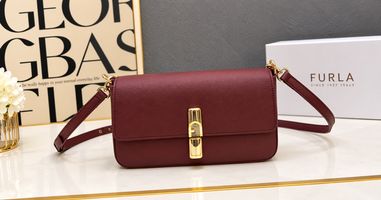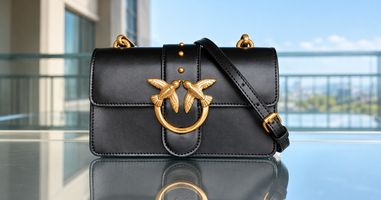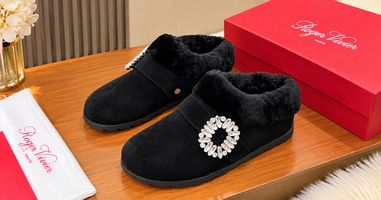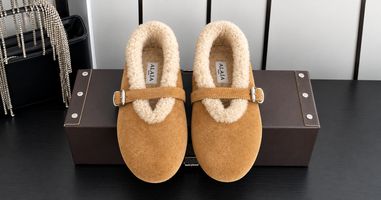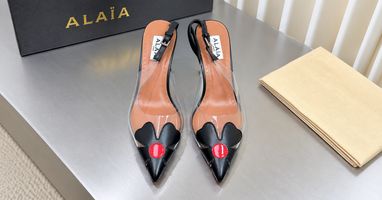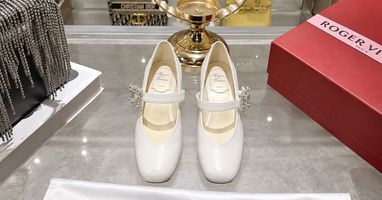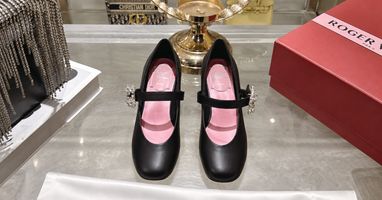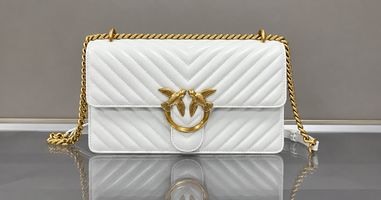
Designer Bag and Shoe Guides bring together practical articles on popular styles, from bag size and capacity to shoe fit and comfort. The articles explain how models differ, how materials and construction affect daily use, and which designs suit work, travel, casual outfits, or occasions.

More Posts

How the C-Me Flap and Shoulder Carry Change the Wearing ExperienceHow the C-Me Flap and Shoulder Carry Change the Wearing Experience
How the C-Me Flap and Shoulder Carry Change the Wearing Experience

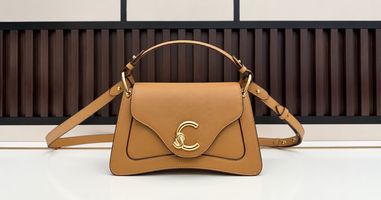
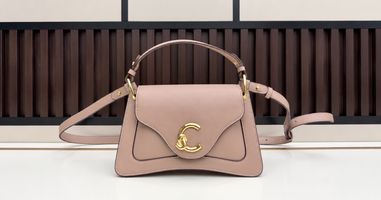
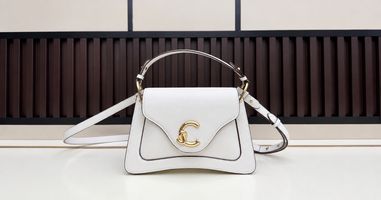
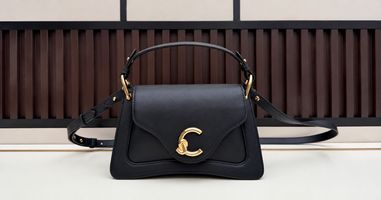
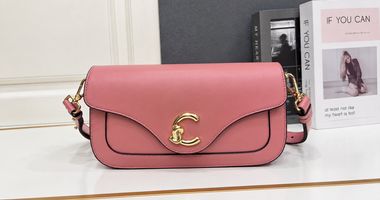
Coccinelle C-Me bag feels most distinctive once it is worn rather than viewed on a shelf. The flap, shoulder position, compact body, and strap behavior affect how the bag moves, stays close to the torso, opens during the day, and feels after several hours of use.


Those details matter because shoulder carry is rarely static. Walking, sitting, reaching, commuting, and repeatedly opening the bag all change the experience. C-Me works best when the wearer values a close carrying position and a front structure that remains composed while the body moves naturally.


1. Movement Changes the Way the Bag Feels


Shoulder bags are constantly responding to the wearer. Every change in pace or direction slightly shifts the body, even when the bag appears stable while standing still.


C-Me benefits from relatively contained proportions. Less mass means less swinging during short walks, turns, or quick changes in direction.


The difference becomes more noticeable in busy environments. Moving through a station, stepping around other people, or getting into a car is easier when the bag stays close instead of projecting far from the torso.


Sitting also reveals whether the format works comfortably. The body may need to slide forward, move toward the side, or be repositioned before settling into a seat.


These small adjustments say more about daily usability than a static front view.


2. The Flap Creates Its Own Access Rhythm


Opening and closing become repeated actions once the bag enters a normal routine. Phone, cards, keys, earbuds, and other essentials may be reached several times within only a few hours.


The flap on Coccinelle C-Me flap bag introduces a clear sequence: steady the body, open the front, reach inside, and close it again. With repeated use, that sequence becomes familiar rather than feeling like a separate task.


Where frequently used items sit makes a noticeable difference. Essentials positioned near the easiest access area reduce the need to search through the interior each time.


Less-used pieces can sit deeper inside without affecting the rhythm of the day.


The flap therefore has a practical role beyond its visual identity. It influences how quickly the wearer develops a repeatable routine around the bag.


3. Strap Stability Matters During Longer Walks


A shoulder strap can feel perfectly comfortable for a few minutes and behave differently after sustained movement.


Walking introduces repeated vertical motion. If the strap shifts easily, the wearer may need to reposition it more often than expected. A more settled position requires less attention and allows the bag to move as part of the body rather than as a separate object.


Clothing texture also changes friction. Smooth fabrics may allow more movement along the shoulder, while textured knitwear or certain outer layers can hold the strap more firmly.


The useful test is not whether the strap stays completely still. It is whether any movement remains predictable enough that constant adjustment is unnecessary.


That difference becomes important during commuting, shopping, or days spent mostly on foot.


4. Body Contact Affects Comfort More Than It Seems


Where the bag rests against the torso determines how much pressure and movement the wearer notices.


A compact body can sit closer without creating the bulky sensation of a larger shoulder format. The contact point remains relatively contained, especially when the interior is not overloaded.


Weight distribution matters here. Dense items gathered in one area can make the body pull differently, even when total capacity has not changed much.


Keeping the load reasonably even helps the bag stay more settled during movement.


This is one reason packing habits can change the wearing experience without changing the bag itself.


5. Shoulder Carrying Depends on More Than Strap Length


Length is only one part of the equation. Strap placement, body depth, total weight, and where the bag meets the torso all influence how natural shoulder carry feels.


Coccinelle shoulder bag use becomes more comfortable when these elements work together rather than forcing the wearer to compensate for an awkward position.


A compact body generally needs less room to settle. That can make short transitions—walking into a shop, standing in line, stepping onto transport—feel easier because the bag requires less repositioning.


Longer wear reveals a second consideration: pressure concentration. Even a small bag can become noticeable if heavy objects create an uneven load.


Keeping contents selective therefore supports both capacity and comfort.


6. Reaching Inside Should Not Disrupt the Whole Bag


Access feels easiest when opening the flap does not require completely changing the carrying position.


During normal use, the wearer may steady the body with one hand, open the front, retrieve something, then return the bag to the same position. The fewer unnecessary movements involved, the more natural that sequence becomes.


Frequently used pieces benefit from predictable placement. Keys buried beneath larger items can turn a simple action into repeated rearranging.


A small interior often rewards consistency. Once the wearer knows where each essential sits, access becomes faster without needing additional compartments or excess capacity.


That familiarity is one of the practical benefits that only appears after repeated use.


7. A More Complete Carrying Profile Appears Over Time


Initial impressions usually focus on the flap and front hardware. Several hours of wear reveal a different set of qualities: how close the bag remains, how often the strap shifts, and how easily the wearer can reach inside without stopping.


Coccinelle C-Me shoulder bag becomes more convincing when these parts of the experience work together.


The compact body helps reduce unnecessary movement, while the flap keeps the opening controlled. Strap placement determines how naturally the bag settles back into position after access.


Those interactions matter more than any single feature by itself.


A shoulder bag that behaves predictably is easier to forget about while moving, and that can be a stronger sign of comfort than softness alone.


8. Sitting, Standing, and Moving Require Different Positions


One carrying position rarely works perfectly for every moment of the day.


While standing or walking, the bag can remain beside the torso. Sitting may require moving it slightly forward, behind the arm, or onto the lap depending on the space available.


Restaurants, cars, public transport, and office seating each create different constraints.


Compact proportions help because the body can be repositioned without taking up much room. The wearer does not need to treat the bag like a large object that must be completely removed every time the environment changes.


These transitions are ordinary, but they strongly influence whether shoulder carry feels effortless or intrusive.


9. The Flap Helps Keep the Front Controlled During Motion


Movement naturally softens the visual impression of a shoulder bag because the body shifts against clothing.


The defined front of Coccinelle flap bag styling provides some visual stability during that movement. The flap remains readable even when the body angle changes slightly.


That does not mean the bag stays rigid. Instead, the front keeps a consistent reference point while the rest of the carrying position responds to the wearer.


This is especially noticeable when walking or sitting, where the bag no longer presents a perfectly flat front.


The result feels more dynamic than a static product image but still recognizably C-Me.


10. Long-Wear Comfort Depends on Packing Discipline


Comfort over several hours is influenced as much by contents as by construction.


A phone, cardholder, keys, small cosmetics, and other essentials can create a manageable load. Adding dense or bulky objects changes how that weight sits on the shoulder and how firmly the body presses against clothing.


The bag may still close, but technical capacity is not the same as comfortable capacity.


Leaving some room inside can also improve access. Contents are easier to retrieve when everything is not packed tightly against the flap opening.


For regular wear, the most useful load is usually the one that keeps both weight and access predictable.


11. Familiarity Improves the Experience


Repeated use changes how quickly the wearer understands the bag.


With Coccinelle C-Me bag, familiarity can mean knowing which shoulder position feels most stable, where commonly used items should sit, and how much weight remains comfortable over several hours.


These decisions become automatic after enough use.


The wearer may stop thinking about where to place keys, how to steady the flap, or when to reposition the bag before sitting down. Those actions become part of the routine.


That is an important difference between a bag that only looks appealing and one that integrates smoothly into daily movement.


12. Why Shoulder Experience Matters More Than a Static View


C-Me reveals more through wear than through a front-facing image.


The flap gives the design its visual identity, but daily satisfaction depends on how the strap behaves, how closely the body sits, how easily the interior can be reached, and whether weight remains comfortable after several hours.


Walking, sitting, opening, closing, and repositioning expose those qualities gradually.


A good shoulder experience does not require the bag to remain perfectly still. It needs movement to stay manageable, access to become familiar, and the body to return naturally to a comfortable position.


That is where C-Me makes the strongest case for repeated use: not simply through the way it looks, but through how little attention it needs once the wearer becomes familiar with it.
What Fits in a pinko Love Bag One Crossbody Bag?What Fits in a pinko Love Bag One Crossbody Bag?
What Fits in a pinko Love Bag One Crossbody Bag?

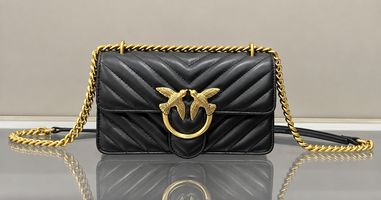
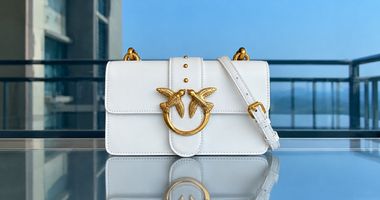
Pinko Love Bag One crossbody bag works best with a phone, compact wallet or card holder, keys and a few slim personal items. The interior feels most useful when those essentials still have room around them, because easy retrieval matters more in daily use than proving every available centimeter can be filled.


Thickness changes the result quickly. Two flat objects may occupy less useful room than one deep cosmetic case, so a simple item count rarely describes the real capacity.


A better approach is to establish the pieces that always need to come along, then see what space remains for something optional.


1. Start With What You Would Not Leave Behind


Capacity is easier to judge once essential items are separated from things carried only occasionally.


Phone, payment method and keys usually deserve space first. If those three already require careful arranging, secondary items will make the interior frustrating quickly.


There is also a useful access test: the thing reached for most often should not require another object to be moved first.


That tells more about practical capacity than counting how many separate pieces can be placed inside.


2. Flat Items Make Better Use of the Available Depth


Card holders, slim wallets and other relatively flat objects tend to sit predictably against the interior surfaces.


Inside pinko love bag one, depth becomes especially important because one thick object can consume the room that several flatter essentials would otherwise share.


Replacing a deep pouch with two slimmer pieces can therefore make the bag feel less crowded even though the item count increases.


The remaining gaps also give fingers somewhere to move when retrieving a phone or wallet instead of turning the contents into one tight block.


3. Phone Position Can Set the Rest of the Layout


A phone is often one of the largest flat objects in the daily load, so where it sits affects almost everything else.


Keeping it against a flatter side usually leaves usable depth for a wallet, keys or another small item. Letting it lie diagonally across the interior wastes space around the corners.


Frequency matters too. A phone taken out repeatedly should have a direct path rather than sitting underneath something used only once during the day.


4. One Rigid Case Can Disturb More Than Its Own Space


A glasses case, charging case or structured cosmetic pouch may look small in isolation. The problem is that it cannot compress around nearby objects.


Once pinko crossbody bag packing starts feeling awkward, a rigid piece is often the first thing worth removing or replacing with a softer alternative.


The disruption is not limited to the volume it occupies. A hard case can force the phone or wallet into a less natural angle, making two or three other objects harder to reach.


That is why changing one container can improve the whole interior more than rearranging everything else around it.


5. Keys Are Awkward Because They Do Not Pack Neatly


Keys are neither flat nor consistently shaped. They slip into small gaps easily, but loose edges can catch against a wallet, lining or another case.


A bulky key pouch keeps them controlled but may use more space than the keys themselves need.


For a compact interior, the useful compromise is enough containment to stop them moving freely without turning the key setup into one of the largest objects inside.


6. Free Space Is Most Valuable Around Frequently Used Items


A bag can close successfully and still feel overfilled once something needs to come out.


With pinko love bag one, useful spare room is the space that lets a phone or wallet slide out without lifting another item first.


That is different from leaving one empty pocket of space in a corner. The better reserve sits around the things used repeatedly, giving the hand a clear path in and out.


If the contents have to be pressed back into position after every payment or phone check, the practical limit has already been reached.


A slightly lighter load usually feels more useful over several hours than a perfectly packed interior that works only when everything stays untouched.


7. Repeated Access Changes the Meaning of “Fits”


Something that can be pushed inside once does not automatically belong in a daily packing setup.


If taking it out means rotating another case, lifting the wallet or rebuilding the arrangement afterward, the interior is technically large enough but functionally too crowded.


Frequently used pieces deserve the easiest positions. Items needed only occasionally can tolerate less convenient placement.


That hierarchy makes a compact bag feel more workable without adding any actual space.


8. The Most Disruptive Extra Item Is Usually Thick, Not Large


A slim receipt holder or flat packet may slide into the remaining space without changing much.


A portable charger, rigid sunglasses case or thicker cosmetic item can have a much bigger effect even when its overall dimensions look modest.


The problem appears when that extra depth eliminates the small gaps that previously allowed other items to move freely.


This is why an interior can feel comfortable in the morning and suddenly awkward after adding just one object later.


9. Weight Changes the Strap Experience Before Space Runs Out


A neatly packed interior can still become tiring if several dense items accumulate inside.


Chain carry makes that easy to notice. Extra weight can increase pressure at the shoulder and make the bag feel more present against the torso even though the exterior still looks controlled.


For regular use, pinko bag capacity therefore has two limits: what fits cleanly and what remains comfortable once carried for a while.


A bag does not need to look full for the load to be heavier than ideal.


10. A Core Plus One Flexible Slot Is Easier to Live With


One of the most practical ways to use the interior is to think in two groups rather than permanent positions for every possible item.


The core stays consistent: phone, payment method, keys and a few small essentials.


Then one area remains available for whichever extra piece matters that day—a compact cosmetic item, charger, small case or something picked up temporarily.


That flexible slot is more useful than filling the bag every morning with objects that might never be needed.


11. The Clearest Failure Signal Is Having to Move One Item to Reach Another


A comfortable setup should survive repeated openings without turning into a small packing exercise.


Used well, pinko love bag one crossbody bag should let the phone return easily, the wallet remain reachable and the flap close without pressing objects back into place.


If one frequently used item cannot come out until another one is removed first, the issue is no longer simply organization.


That usually means the combination itself is too demanding for the available space.


At that point, removing one bulky piece will help more than trying another arrangement, and if the same problem returns every day, a roomier format is the more realistic answer.

How Does the Furla Iride Crossbody Bag Sit Against the Body?How Does the Furla Iride Crossbody Bag Sit Against the Body?
How Does the Furla Iride Crossbody Bag Sit Against the Body?

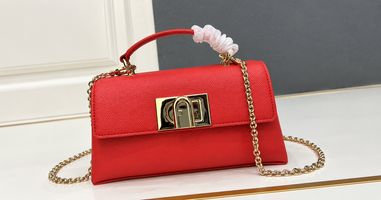
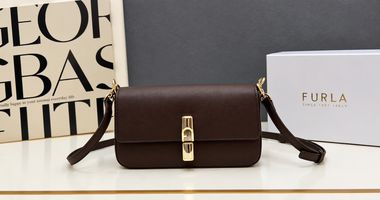
The Furla Iride crossbody bag tends to sit best near the waist or upper hip, where its compact depth can stay close to the torso without making access feel cramped. Small changes in strap length have a visible effect on this bag, altering movement, reach, and how strongly the body reads against clothing.


There is no single ideal drop. The useful position is the one that still works once the wearer starts walking, sitting, and reaching inside.


1. Small Strap Changes Have an Outsized Effect


Iride reacts quickly to changes in drop because there is not much vertical body to absorb them. Raising the bag slightly can bring the base noticeably closer to the waist and reduce side-to-side movement.


A lower position creates more freedom around the hip. That can feel less confined during slower outings, but it also gives the bag more room to swing.


The difference is easy to underestimate when looking only at strap length. On a compact crossbody, a small adjustment can change the whole carrying experience.


2. Upper-Hip Placement Keeps the Body More Settled


Keeping the bag around the waist or upper hip shortens the distance it can travel with each step. During quicker walking, public transport, or crowded streets, that closer position can make the body feel noticeably calmer.


The shallow profile also helps Furla Iride bag proportions stay visible without projecting far from the torso. The bag remains clearly defined, but it does not create the same physical separation as a deeper crossbody.


Lower placement gives a softer, looser result. It may suit slower days better, particularly when easy forward movement matters more than keeping the bag firmly in place.


3. Strap Angle Matters More Than a Simple Drop Measurement


Crossbody fit is not purely vertical. The strap travels diagonally from one shoulder to the opposite side, so shoulder width and torso length influence the final resting position before clothing is even considered.


Two people can use the same strap adjustment and end up with very different results. One may have the bag near the waist; another may find it sitting naturally closer to the hip.


That makes the final body position more useful than the strap number itself. The measurement describes the strap. It does not fully describe how the bag will wear.


4. Clothing Can Shift the Bag More Than Expected


A thin top adds almost no distance between strap and torso. A knit layer, jacket, or winter coat changes that immediately.


With a compact Furla crossbody bag, even a small seasonal difference can push the body noticeably higher. What felt like an upper-hip position in warm weather may move closer to the waist over outerwear.


Resetting the strap slightly is usually enough. Keeping one permanent length throughout the year is less practical than adjusting the bag around the clothes underneath it.


5. Shallow Depth Changes the Feeling Against the Torso


Depth is easy to overlook when judging a crossbody, but it has a direct effect on how separate the bag feels from the wearer.


A deeper body projects farther outward and gains more leverage as the wearer turns or walks. Iride's slimmer profile keeps the weight closer to the torso, which can make it easier to manage in narrow spaces, on public transport, or while sitting beside someone.


The same proportions help when the bag needs to slide forward. It crosses the front of the body without creating the bulky block that a deeper design can produce.


6. Front Placement Matters When the Bag Is Opened Often


A crossbody does not need to remain fixed at the hip throughout the day. Moving Iride toward the front can make the opening easier to reach when a phone, cardholder, or another small essential is needed repeatedly.


Afterward, the body should move back toward the side without forcing a new strap adjustment. That transition is a useful test. If the bag works only in one exact position, the drop may be too restrictive for regular use.


Some mobility is helpful. The goal is controlled movement rather than complete immobility.


7. Good Placement Should Require Almost No Correction


A well-set crossbody usually stops drawing attention to itself after the first few minutes.


The Furla Iride bag should stay close enough to feel settled without sitting so high that the opening becomes awkward to reach.


The exact product configuration discussed here is shown at: https://www.bniox.com/it/products/furla-iride-crossbody-bag-fua01


Repeatedly pulling the bag forward, pushing it back, or lifting it higher is a stronger sign of poor placement than how the bag looks while standing still.


One small change in drop can sometimes fix all three problems at once.


8. Walking Reveals Problems a Mirror Hides


A mirror mainly shows proportion. Walking shows behavior.


A lower setting can look balanced while standing and still become too active once the pace increases. A slightly higher position may initially appear tighter, yet feel more stable after several minutes on foot.


That makes ordinary walking a better test than a static outfit check. The bag should still feel composed once attention shifts away from styling and back to the day itself.


9. Textured Leather Keeps the Outline Legible


Sitting close to the body does not mean the bag needs to visually disappear into clothing.


Textured leather helps Furla leather crossbody bag proportions stay defined even when Iride rests near the torso. The front and side lines remain readable without needing extra bulk.


That works particularly well against softer fabrics. Knitwear, relaxed jackets, and fluid layers create contrast with the more defined leather surface without making the combination feel heavy.


The bag stays physically compact while still reading as a distinct object.


10. Sitting Changes the Best Position


A crossbody that feels right while standing can become awkward once the wearer sits down.


Lower placement may press against the side of a chair or need to move forward. A slightly higher position can keep more of the body above the seat line and reduce interference around the hip.


Iride's compact size makes that transition easier. In cafés, cars, restaurants, or public transport, the body can usually shift forward without removing the strap altogether.


A useful setting should work through those small posture changes without needing a complete reset each time.


11. Stability and Access Pull in Opposite Directions


Higher placement generally improves stability because the bag stays closer to the torso. More drop usually makes access easier because the body can travel forward with less resistance.


There is no perfect midpoint for everyone.


Someone who walks long distances may notice movement first and prefer a steadier position. Someone who opens the bag repeatedly during shorter outings may care more about how easily it comes forward.


The better setting is the one that solves the inconvenience the wearer actually notices.


12. The Right Position Should Become Forgettable


After several hours, Furla Iride crossbody bag placement should still feel simple. The body should move forward when needed, return toward the hip without resistance, and stay settled enough during walking that the strap rarely needs correcting.


That matters more than whether the first five minutes feel perfect.


A good crossbody position eventually becomes almost invisible to the wearer. Once the bag stops demanding repeated adjustment, the strap length is probably doing what it should.

Alaïa Crystal Ballet Flats: What Makes Them Work Beyond Special OccasionsAlaïa Crystal Ballet Flats: What Makes Them Work Beyond Special Occasions
Alaïa Crystal Ballet Flats: What Makes Them Work Beyond Special Occasions

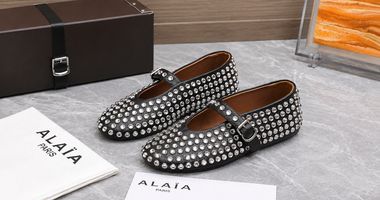
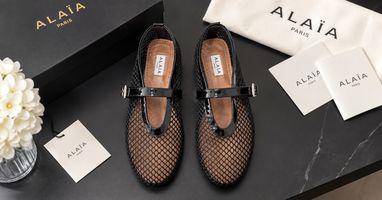
Alaïa crystal ballet flats bring a decorative finish to a familiar ballerina silhouette, making them suitable for selected daytime outfits as well as evening occasions. Their appeal comes from pairing reflective detailing with a low profile. Simple clothing provides the strongest contrast, although fit, walking conditions, and the durability of embellishments deserve careful consideration.


Unlike conventional occasion shoes, the design does not rely on heel height to create a dressier appearance. Its crystals draw attention while the rounded silhouette remains recognizable.


That combination raises an interesting wardrobe question: can footwear this decorative become something people reach for regularly?


1. A Different Interpretation of Ballet Footwear


Traditional ballet flats are valued partly because they demand little from an outfit. Their low construction works beneath trousers, skirts, and dresses without introducing a dramatic change in proportion.


Crystal embellishment alters that relationship. The shoes become a visible feature rather than a quiet finishing detail.

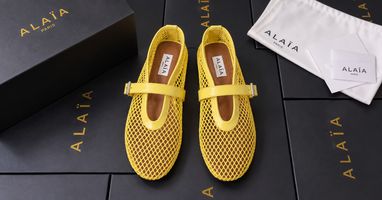
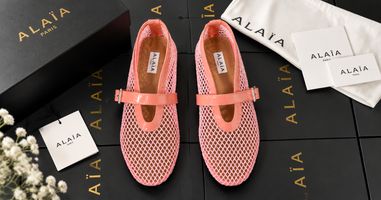
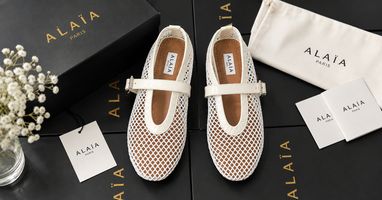
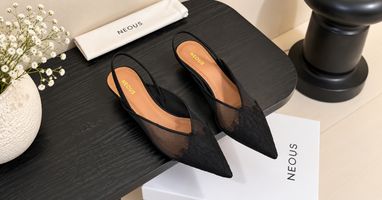
Exploring Alaïa ballerina shoes reveals how different materials can change the character of a similar silhouette. Mesh creates an open, textured appearance, while extensive crystal decoration draws attention to the surface itself.


For someone accustomed to plain leather flats, this design offers a different kind of versatility. Instead of blending into several outfits, it can give familiar clothing a more deliberate finish.


The question is less about whether embellished shoes are fashionable and more about whether their visual character suits the clothes already being worn.


2. Why the Rounded Front Makes a Difference


A rounded toe softens the appearance of decorative footwear. Its curved outline contrasts with the brilliance of the stones, preventing the silhouette from looking as severe as a sharply pointed evening shoe.

Trouser length can change how this relationship appears.


A wide hem covering most of the upper hides the shoe's recognizable outline. Cropped trousers reveal the rounded front and more of the decoration, making the footwear considerably more noticeable.


The difference is easy to overlook when evaluating shoes separately from clothing.

Someone who prefers long, flowing trousers may see only flashes of the crystals while walking. A person wearing ankle-length tailoring will reveal more of the design, even while standing still.


Neither effect requires changing the shoe. The clothing determines how much of its character becomes visible.


3. What Product Photographs Cannot Fully Show


Studio lighting can make crystal-covered footwear appear exceptionally brilliant. Directed light produces concentrated reflections that may be less pronounced in an ordinary room.


Photographs of Alaïa ballet flats are therefore most informative when they show several viewing conditions rather than one carefully illuminated angle.


Close-up images can reveal the arrangement of decorative elements. Side views help establish the profile, while photographs showing the shoes beneath clothing give a better indication of their scale.


Daylight deserves particular attention. It reveals differences between the reflective stones and the material beneath them, making the surface easier to assess.


A bright product image may capture the decoration beautifully but reveal little about its appearance beneath a trouser hem.


For a design whose appeal depends heavily on surface detail, those distinctions are useful before making a selection.


4. Giving Ordinary Clothing a Different Finish


Consider straight dark denim, a white cotton shirt, and a lightweight jacket. Nothing about the combination requires formal footwear.


Crystal decoration introduces a deliberate contrast without changing the clothes themselves.


The effect also works in the opposite direction. Tailored trousers and a fine sweater can appear less conventional when paired with a shoe that carries a substantial decorative finish.


There is no need to repeat the crystals in jewelry or a bag. Doing so may make the outfit feel more coordinated than intended.


A useful starting point for everyday outfits with crystal footwear is to keep the clothing familiar and allow the shoes to provide the unexpected detail.


Washed denim is particularly interesting because its uneven, matte texture contrasts with the reflective surface. A sharply pressed trouser creates a cleaner relationship, allowing the footwear to contribute most of the decoration.


Both combinations can work, but they communicate different attitudes toward dressing.


5. Why the Amount of Decoration Matters


A shoe carrying a small ornament behaves visually differently from one with crystals distributed across much of the upper.

An isolated detail draws the eye toward one area. More extensive embellishment changes the appearance of the entire shoe, making its surface visually active even when the silhouette remains simple.


This is especially apparent in Alaïa crystal ballet flats, where decoration is central to the design rather than a minor finishing accent.


The crystals create numerous small reflective surfaces. Movement changes which details catch the light, giving the footwear an appearance that shifts subtly from one angle to another.


A plain metallic buckle would not produce the same effect.


Extensive decoration also changes the relationship between shoes and accessories. A heavily detailed bag can compete for attention, while a smooth leather bag gives the embellished surface more room to stand out.


The amount of decoration already present on the footwear should influence those choices.


6. Daytime Wear Is More About the Setting


An afternoon gallery visit and a long walk across uneven city streets may call for similarly casual clothes, but they place different demands on footwear.


Crystal-covered flats can look appropriate in both settings. Their practical suitability is another matter.


For an indoor lunch, charcoal trousers and a soft knit provide a restrained background for decorative shoes. A short journey followed by time indoors may also reduce exposure to rough surfaces.


A full afternoon of walking introduces greater contact with pavement, steps, and crowded surroundings.


That difference is worth considering before treating embellished footwear as an unrestricted everyday option.


Carrying the shoes and changing on arrival may be sensible for certain plans. It allows the wearer to enjoy the design at the destination without requiring it to withstand every part of the journey.


7. Construction Deserves a Closer Examination


Crystal decoration can dominate a product photograph, leaving less visible details overlooked.


Before choosing Alaïa crystal embellished ballet flats, examine the particular version's upper material, lining, sole, and fastening. Similar-looking styles may have different specifications.


A buckle strap, where included, deserves attention beyond its appearance. It should help secure the shoe without placing excessive pressure across the instep.


The front also needs sufficient room for natural foot movement. An embellished upper should not be assumed to stretch like an undecorated leather shoe.


Another consideration is how the crystals are attached. Product photographs may show their arrangement, but cannot establish long-term resistance to abrasion or impacts.


Inspecting the decoration and following the care instructions are more useful than assuming every crystal-covered design will tolerate the same conditions.


A good fit and suitable construction matter more during wear than they do in a photograph.


8. The Route Matters as Much as the Destination


Picture two dinner plans.


The first involves a short car journey, a restaurant with smooth indoor flooring, and a direct trip home. The second begins with an hour of walking, several public transportation connections, and dinner afterward.


The same decorated flats might complement both outfits. Yet the second itinerary exposes them to considerably more friction and unpredictable surfaces.


Crystal embellishments deserve particular care around abrasive materials, heavy foot traffic, and wet conditions.


This does not mean the shoes must be reserved exclusively for special events. It means their use should reflect the actual demands of the day.


For someone who spends most of an occasion indoors, the difference may be modest. A person who walks extensively before arriving may prefer an additional pair of shoes for the journey.


Considering the route in advance is more practical than judging footwear suitability solely by the event's dress code.


9. A Three-Outfit Test Before Choosing


One attractive styling photograph cannot establish whether decorative footwear will work across an existing wardrobe.


A better exercise is to select three outfits already owned.


Start with dark jeans and a plain sweater. Add tailored trousers and a cotton shirt as the second option. For the third, consider an uncomplicated dress without prominent decoration.


Now examine what crystal ballet flats would contribute to each.


With denim, the stones provide contrast against a casual fabric. Tailoring creates a more polished setting, while the dress allows the footwear to carry much of the visual detail.


The outfits also reveal practical differences. A long trouser hem may conceal the decoration, whereas a dress makes the entire shoe more visible.


If all three combinations suit realistic plans, the shoes have several possible uses. If only one feels convincing, their purpose is likely more specialized.


That is useful information before introducing another distinctive piece into the wardrobe.


10. Comfort Cannot Be Judged While Standing Still


A shoe may feel secure during a brief fitting but behave differently once the wearer begins walking.


The toes need sufficient room, the heel should remain reasonably stable, and any strap must sit comfortably across the foot.


A practical discussion of how ballet flats fit while walking should include several ordinary steps rather than relying entirely on a standing fit.


Notice whether the heel rises excessively, whether the foot slides forward, or whether the upper creates pressure near the toes.


A decorative surface adds another reason to avoid relying on future stretching to correct a poor fit. Even when the underlying material is leather, embellishment may affect how the upper responds to movement.


Check both feet, since their dimensions can differ.


A comfortable shoe should not require constant adjustment during a short indoor walk. If the fastening or front becomes distracting almost immediately, appearance should not override that concern.


11. Fabric Texture Can Change the Whole Outfit


Color is not the only relationship worth considering when pairing embellished shoes with clothing.


Wool absorbs light differently from satin, while washed denim introduces a slightly irregular surface. Each fabric changes how prominently crystals appear.


Satin creates an especially interesting pairing for Alaïa crystal flats because both surfaces can reflect light. The result may feel more expressive than the same shoes worn beneath matte trousers.


That does not make reflective fabrics unsuitable. It simply leaves less room for additional decoration.


A plain knit, smooth jacket, or restrained bag can help keep the combination visually coherent.


Fabric weight also affects proportion. A heavy trouser falling over the shoe creates a different impression from a fluid skirt that reveals the upper during movement.


Rather than coordinating every accessory, consider which material should attract attention first.


12. Making Room for Something Distinctive


A wardrobe filled with understated shoes may benefit from one decorative alternative. For someone who already owns several embellished pairs, the addition needs a more specific purpose.

The distinction becomes clearer when considering actual plans.


Indoor gatherings, dinners, and occasional celebrations provide reasonable opportunities for expressive footwear. Extensive outdoor walking and unpredictable weather make the decision less straightforward.


Maintenance is another consideration. Delicate surfaces should be stored carefully, protected from unnecessary rubbing, and cleaned according to the product's care instructions.


These requirements are not unusual for decorative footwear, but they matter when deciding how frequently a pair will be worn.


A useful wardrobe addition does not necessarily need to be worn every week. It should, however, offer a recognizable benefit when the appropriate occasion arrives.


13. Moving Between Casual and Dressier Settings


Black trousers, a fine sweater, and a restrained bag can work for an afternoon appointment. The same clothes may suit dinner without much alteration when the footwear provides a more decorative finish.


Styled this way, Alaïa crystal ballet flats introduce an evening-ready detail without depending on heel height.


The change is especially effective when the clothing remains understated. A heavily embellished top or ornate bag may compete with the shoe rather than complement it.


For readers considering evening outfits built around embellished flats, the event's expectations still matter. A relaxed dinner or private celebration offers different possibilities from an occasion requiring a particular dress code.


Crystal decoration does not automatically make every combination formal. It provides a tool for adjusting how an outfit is perceived.


The most convincing use may be surprisingly simple: familiar trousers, an uncomplicated top, and footwear that catches the light just enough to make the combination feel different.

Are Roger Vivier Canard Boots Worth Adding to Your Wardrobe?Are Roger Vivier Canard Boots Worth Adding to Your Wardrobe?
Are Roger Vivier Canard Boots Worth Adding to Your Wardrobe?

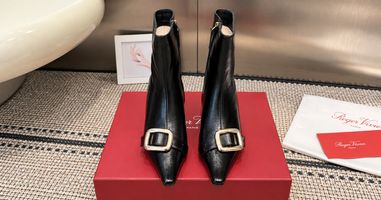
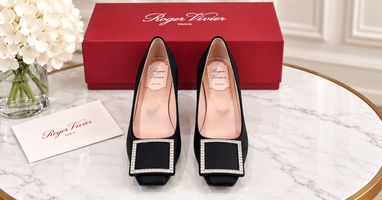
Roger Vivier Canard boots are worth considering for women who appreciate sculpted footwear, tailored clothing, and distinctive hardware. Their elongated squared toe and decorative buckle give them a recognizable appearance, while the heeled construction makes them better suited to polished occasions than demanding walking routines.


The toe and buckle contribute different visual effects. One extends the front of the shoe; the other interrupts that length with a compact detail. Together, they produce an appearance that is difficult to achieve using a conventional ankle boot.


Whether they deserve a place in a wardrobe depends on how those features complement existing clothes, personal comfort preferences, and the situations in which the footwear will be worn.


1. The Appeal of a Distinctive Ankle Boot


The first noticeable feature of Canard is its extended front. The toe draws the eye forward, giving the shoe a recognizable profile even before the buckle becomes apparent.


That relationship matters because ankle boots have relatively little exposed surface compared with taller styles. A carefully considered front can provide much of the design's character without elaborate decoration.


The upper remains compact enough to fit beneath different trouser cuts. A taller shaft would require more attention to calf coverage and fabric placement, while an ankle-length design offers greater flexibility.


Canard's details are concentrated in specific areas. The extended toe provides definition near the floor, and the buckle introduces an accent closer to the instep. This arrangement makes the footwear recognizable even when the surrounding clothing remains understated.


2. A Design Rooted in Parisian Footwear


The Canard line draws inspiration from Roger Vivier's archival designs, bringing recognizable elements into contemporary footwear.


Across Roger Vivier boots, decorative hardware and carefully considered proportions contribute to the house's identity. Canard expresses those characteristics through an extended toe, a defined heel, and an ornamental buckle.


The front establishes the direction of the design, while the hardware introduces a contrasting element. The heel completes the profile from the side, giving the shoe a different appearance from models built around thick platforms or substantial outsoles.


The archival connection is particularly relevant here. Rather than reproducing a vintage outfit, the design allows a historically influenced footwear detail to sit beside contemporary clothing.


A wool coat, clean-cut trousers, or a modern tailored jacket can provide that setting without making the overall appearance feel deliberately retro.


3. What Makes the Toe Profile Different


The elongated squared toe is central to the Canard design, but its importance goes beyond being visually recognizable.


Viewed directly from above, the front narrows before ending in a defined squared edge. From the side, the extended toe contributes to the overall length of the shoe. These two perspectives explain why a product photograph showing only one angle may not fully communicate its proportions.


The distinction is especially important for shoppers accustomed to conventional rounded ankle boots.


A rounded front usually produces a shorter-looking outline. Canard's extended toe places greater visual emphasis on the space ahead of the instep, making the shoe appear more directional.


This effect can be attractive to women who prefer footwear that contributes a clear architectural element to an outfit.


It also introduces a practical styling consideration. The front will remain visually noticeable even when the rest of the boot is partly covered. Someone who prefers a subtle, compact toe may find this design more pronounced than expected.


One important limitation is that exterior length does not establish interior comfort. The extended front should not be mistaken for guaranteed additional toe space, particularly for wider feet.


The design is best evaluated from several angles, with appearance and actual fit treated as separate questions.


4. A Closer Look at the Decorative Buckle


A buckle changes more than the amount of decoration on a shoe. Its position and scale influence how the surrounding upper is perceived.


On Viv' Canard ankle boots, the hardware creates a visual interruption along an otherwise elongated front. Without that detail, the eye would follow the upper toward the squared toe with fewer distractions.


The buckle gives the viewer another point of reference.


This becomes clearer when examining the relationship between the hardware and the front of the boot. The toe extends outward, while the decoration introduces a smaller, more concentrated element. Their contrasting proportions are part of what makes the design distinctive.


Specific Canard versions can differ in their decorative treatment, so the exact buckle, strap, and surface details should be checked for the selected pair.


Hardware remains visible in many situations where the heel is concealed, especially when trousers cover part of the shoe. It provides a recognizable detail even when the full construction cannot be seen.


For shoppers who appreciate decorative footwear but dislike ornamentation spread across the entire upper, this concentration of detail offers a particular advantage.


5. Finding the Right Place in a Wardrobe


Before choosing distinctive footwear, consider how frequently the existing wardrobe calls for a polished ankle boot.


A woman who regularly wears tailored pants for work and keeps a few structured dresses for evenings already has several potential uses for the design.


Roger Vivier Canard boots can contribute something different to these clothes without requiring a dramatic change in personal style.


Look at the trousers worn most frequently. Consider whether their hems are appropriate for heeled boots. Examine the jackets and coats used during cooler months, particularly those with a more structured appearance.


If several familiar outfits already accommodate the proportions, the boots have a clear role.


Someone whose daily clothing consists almost entirely of athletic pants, oversized casual pieces, and flat footwear may find the design difficult to incorporate.


An attractive shoe becomes a worthwhile addition when it supports a way of dressing that already exists.


6. How the Heel Changes the Overall Look


The heel completes the Canard profile by influencing the relationship between the upper and the ground.


A defined heel creates visible separation beneath the back of the shoe. This gives the side view a different character from an ankle boot built on a continuous, heavy sole.


With tailored clothing, the difference becomes apparent. A trouser hem that falls cleanly around the upper allows the heel to remain a smaller but meaningful part of the design. Beneath a skirt, the full construction becomes easier to examine.


Different Canard versions may have different heel specifications, so comparisons should use the measurements of the actual model rather than assumptions about the collection.


A heel that looks proportionate in a product photograph may still be unsuitable for someone accustomed exclusively to flat shoes.


Visual appeal and personal comfort deserve separate consideration.


7. Leather and Suede in Daily Outfits


Material selection influences how the design interacts with light, clothing, and decorative hardware.


Smooth leather produces a clearer reflective surface. This can emphasize the transition between the extended toe and the upper, especially under direct lighting.


In Roger Vivier Canard leather boots, that surface quality can reinforce the defined appearance of the front while allowing the buckle to remain visually distinct.


Suede creates a different impression.


Its textured finish softens reflected light and produces a less sharply defined surface. This can make the hardware appear more prominent against the surrounding material.


Clothing preferences offer a useful guide.


A wardrobe dominated by crisp tailoring and smooth fabrics may benefit from the contrast provided by leather. One containing brushed wool, knitwear, and softer seasonal textures may pair comfortably with suede.


The distinction is primarily aesthetic at this stage. Material durability, cleaning requirements, and exposure to moisture are separate considerations that should be evaluated using the care instructions for the chosen finish.


8. Dressing Around a Defined Silhouette


The most useful styling test begins with an outfit that is already complete.


Imagine tailored trousers, a fine knit, and a familiar coat. Replace the usual shoes with Canard and examine what happens to the overall proportions.


Does the extended front make the trouser hem appear more deliberate? Does the buckle add enough detail, or does it compete with accessories already present?


A second test involves clothing worn outside work. Dark denim and a simple jacket can show whether the design feels comfortable in a less formal setting.


The footwear introduces decorative hardware and a heeled profile into an otherwise casual arrangement. That contrast may be exactly what the wearer wants, or it may feel more formal than intended.


For additional ideas, outfit combinations for structured ankle boots can help explore specific trouser proportions, dress lengths, and outerwear choices.


The key is to identify combinations that suit an existing personal style rather than creating outfits that will rarely be repeated.


9. Where These Boots Work Best


An office with a polished dress code offers an appropriate setting for this type of footwear. Tailored trousers, fine knitwear, and structured jackets can accommodate the extended toe and buckle without making the outfit unusually formal.


Restaurants and evening appointments provide another opportunity. The design introduces a dressier finish while retaining the coverage of an ankle boot.


Indoor cultural events, gallery visits, and short social outings may also suit the style, depending on the amount of walking involved.


Travel requires more careful judgment.


A weekend itinerary involving dinners and short journeys between locations is different from a day spent exploring a city on foot. The same boots might suit one activity while being impractical for the other.


The design is more useful for selected occasions than as a universal replacement for casual footwear. Recognizing that distinction helps buyers determine whether it fills an actual gap in their collection.


10. Balancing Elegance and Practicality


The practical value of Roger Vivier Canard boots depends on conditions that are not always obvious in product photographs.


Start with the walking surface.


Smooth indoor floors, dry sidewalks, and uneven outdoor pavement place different demands on footwear. The sole material and tread of the selected model deserve attention, particularly if the boots will be worn beyond short indoor appointments.


Next, consider the heel.


Its visual proportions may complement tailored clothing, but that does not establish how comfortable it will feel after several hours. Familiarity with heeled footwear and the amount of standing required are more useful considerations than appearance alone.


Entry and removal also matter.


Some Canard ankle boot versions use a side zipper. Checking its placement and the construction around the ankle can help buyers understand how the shoe is put on, although neither feature guarantees a particular fit.


Weather creates another boundary. Suede and smooth leather have different maintenance needs, and dress footwear should not be assumed suitable for prolonged exposure to water or winter road conditions.


A helpful purchasing question is whether the planned occasions match the footwear's construction.


If the answer involves mostly indoor activities and manageable walking distances, the design may be a reasonable choice. Frequent outdoor movement in unpredictable conditions suggests that a more practical alternative could receive greater use.


11. What to Consider Before Choosing a Size


The extended front of Canard can make it difficult to judge fit from appearance alone.


The first concern is the forefoot. Toes need adequate room, but the visible length of the shoe does not reveal how the internal space is distributed.


Heel security is equally important. Excessive movement can affect how confidently a person walks, particularly in heeled footwear.


The ankle opening introduces another variable.


A boot that fits the foot correctly may still feel restrictive around the lower ankle. Hosiery thickness, the upper material, and individual ankle proportions can all affect the result.


When comparing sizes, use guidance provided for the specific model. A recommendation associated with one suede version should not automatically be applied to another construction.


For a closer evaluation, boot fit and sizing details explain which areas deserve attention before choosing a size.


Trying the footwear under realistic conditions, when possible, provides more useful evidence than relying exclusively on photographs or general brand sizing expectations.


12. Seasonal Versatility


Ankle boots can fit into several seasonal wardrobes without requiring the heavier construction associated with winter-specific footwear.


During early fall, tailored trousers and lightweight coats provide a natural setting. The ankle-height upper offers coverage without requiring heavy winter clothing.


Cooler weather introduces wool trousers, substantial knits, and longer coats that can complement the defined footwear profile.


Canard leather ankle boots may be particularly appealing for wardrobes moving between these types of clothing because the smooth finish retains a clear visual contrast against different fabric textures.


Spring presents another opportunity, especially on days when closed footwear remains desirable but insulated boots feel unnecessary.


These possibilities do not make the design suitable for every weather condition.


Wet pavement, snow, and treated winter roads may require footwear with more appropriate protection or traction. Care recommendations should be checked for the material and construction selected.


Seasonal usefulness depends on the climate and how the boots will be worn, rather than the number of months in which they could theoretically appear in an outfit.


13. Long-Term Wardrobe Value


A useful way to judge long-term value is to examine the next four weeks of an ordinary schedule.


Count the occasions when a polished heeled ankle boot would be appropriate. Work meetings, dinners, appointments, and certain social events may qualify. Errands that involve extensive walking or unpredictable weather may not.


This exercise provides a more realistic answer than simply asking whether the design is versatile.


The second consideration is whether its distinctive details will remain appealing after repeated wear.


Canard's elongated toe and decorative buckle are central to its identity. They are not temporary features that can be removed when a simpler appearance is preferred.


Someone who consistently enjoys expressive footwear may appreciate that consistency. A person who frequently changes between decorative and minimalist styles might prefer a less recognizable everyday boot.


There is also the question of maintenance.


The condition of the upper, heel tips, and hardware can affect how polished the footwear appears over time. Proper storage and material-appropriate care are therefore part of the ownership decision.


None of these considerations requires predicting fashion trends.


The more useful assessment is whether the wearer has recurring occasions, suitable clothing, and a lasting preference for the design itself.


That combination provides a stronger basis for repeated use than initial visual excitement.


14. Making the Final Wardrobe Decision


Canard is most convincing for women who appreciate a clearly defined shoe design and already wear clothing that accommodates heeled ankle boots.


Its extended squared toe and decorative buckle provide a recognizable character, while the compact upper works beside tailored outfits.


The decision becomes less convincing when the intended use involves prolonged walking, difficult weather, or clothing that rarely calls for polished footwear.


Before choosing a pair, check the exact model's heel measurements, sizing guidance, upper construction, and material rather than relying on the collection's overall appearance.


A more detailed look at leather and suede material choices can help determine which version is appropriate for the wearer's clothing and daily conditions.


The strongest reason to choose Canard is that its distinctive details suit the wearer's preferences, practical needs, and actual opportunities to wear it.

Alaïa Fishnet Ballerina Pumps: What Changes With the Heeled Version?Alaïa Fishnet Ballerina Pumps: What Changes With the Heeled Version?
Alaïa Fishnet Ballerina Pumps: What Changes With the Heeled Version?

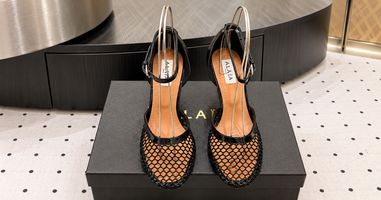
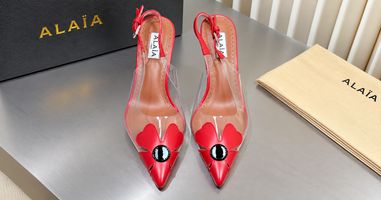
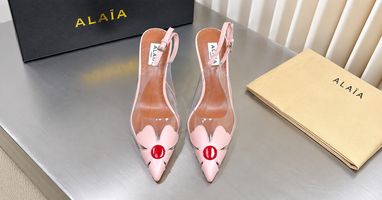
Alaïa Fishnet Ballerina Pumps keep the transparent upper and ballet-inspired character of the familiar fishnet style, but the added heel changes the shoe more than the name suggests. The rear sits higher, the side profile gains definition, and the strap becomes more noticeable as part of the construction rather than simply a detail across the foot.


They do not read as a flat with extra height. From the front, the ballerina reference is still obvious. From the side, the lifted heel pushes the shoe closer to pump territory.


That tension is the point. The mesh keeps the shoe visually light while the heel gives it a more deliberate stance.


1. The Fishnet Upper Looks Different Once the Rear Is Raised


The mesh remains one of the lightest-looking parts of the shoe. Skin shows through the net structure, so the upper never develops the solid visual weight of a conventional leather pump.


The heel changes the way that transparency is framed.


On a flat base, fishnet can feel easy and close to the ground. Once the rear is lifted, the same open upper sits against a more defined lower line. From the side, that contrast becomes especially clear: delicate mesh above, more structure underneath.


The heeled version therefore feels sharper without losing the openness that makes the fishnet design recognizable.


2. The Ballerina Reference Is Still There


The front does not suddenly stop looking ballet-inspired because height has been added.


With Alaïa ballerina pumps, the toe and upper still carry the softness associated with a ballerina shape, but the raised rear changes how the foot sits inside that outline.


Bare ankles make the difference easier to see. A flat keeps the foot visually close to the floor; the heeled version introduces a slight upward angle through the back of the foot.


It is enough to make the silhouette look more finished without pushing it into high-pump territory.


3. The 55mm Heel Sits in the Middle


A 55mm heel does not create the dramatic stance of a stiletto, and that is part of why it works here.


There is enough height to separate the shoe clearly from the flat version, but not so much that the mesh upper starts to look disconnected from the base.


Under trousers, the heel adds polish without becoming the first thing the eye notices. Under a skirt or dress, more of the side profile is exposed, so the lift becomes easier to read.


For someone deciding between the flat and heeled versions, this moderate height is the practical difference: noticeable enough to change proportion, restrained enough to preserve the ballerina character.


4. The Shape Still Fits the Wider Alaïa Footwear Language


The heeled fishnet model does not feel isolated from the rest of Alaïa shoes.


It uses the same broader ideas seen elsewhere in the footwear collection: exposed areas of the foot, controlled lines, compact details, and shapes that become more interesting as the viewing angle changes.


The mesh does not need heavy ornament. Most of the character comes from the relationship between openness and structure.


That connection helps the shoe feel familiar even though the heel gives the fishnet concept a different purpose.


5. The Strap Becomes More Important


On a flat shoe, a strap can easily read as a finishing detail.


Here, it has more visual work to do.

The front of the foot remains light and transparent, while the rear has been raised. The strap helps connect those two sections and keeps the upper from feeling detached from the heel.


From straight ahead, mesh and toe shape still dominate. Rotate the foot slightly and the strap becomes more noticeable as part of the shoe's construction.


It also preserves some of the Mary Jane and ballerina character that might otherwise be lost once the heel is introduced.


6. The Toe Reads Sharper From the Side


Raising the back of the foot changes how the front appears, even when the toe itself has not become dramatically longer.


The shoe now moves visually from a lower front toward a higher rear. That creates a clearer direction through the side profile.


Cropped trousers reveal the full relationship between toe, strap, and heel. Longer trousers often hide the rear, leaving only the front visible beneath the hem.


From that angle, the shoe can look quieter than it really is. The pump identity becomes clearer once the wearer moves and the heel comes back into view.


7. The Heeled Version Fills a Different Wardrobe Gap


A flat fishnet ballerina works naturally when the outfit benefits from low-profile footwear. The pump does something else.


Alaïa Fishnet Ballerina Pumps add enough height to sharpen tailored trousers, narrow skirts, and simple dresses without giving up the transparency of the mesh upper.


That makes them useful when a solid leather pump would feel too heavy but a flat would leave the outfit too grounded.

The distinction is practical as well as visual. A flat keeps the lower line relaxed; the heel introduces lift and a more finished side view.


Neither version replaces the other. They solve different proportion problems.


8. The Side Profile Shows the Biggest Change


From the front, the relationship to the classic fishnet ballerina remains obvious. From the side, the difference is much harder to miss.


The raised rear creates space between the sole and the ground, while the mesh continues to expose the top of the foot.


That contrast makes the profile more structured than the front view suggests. The strap also becomes easier to read because it is now positioned between a light upper and a lifted heel.


For a closer look at how the 55mm heel changes the shape, the side view tells more than a straight-on image.


It is where the pump identity becomes clearest.


9. Mesh Stops the Heel From Feeling Too Formal


A traditional pump often relies on a solid upper to create polish. Fishnet gives that polish a lighter surface.


The heel pushes the shoe toward dressier territory, but the transparent upper keeps the foot visually exposed.


With tailoring, that contrast can look especially precise: solid fabric above, open mesh below.


Softer skirts and dresses create a different effect, allowing the fishnet to blend more gradually into the outfit.


The heel provides structure; the mesh prevents that structure from becoming too severe.


10. Hem Length Decides Whether the Heel Is Part of the Look


A cropped trouser makes the pump construction obvious because the strap and heel remain visible.


Longer trousers change the reading. They may cover most of the rear and leave the fishnet front as the main visible feature, making Alaia Fishnet pumps look almost flat-like until the wearer takes a step.


Skirts offer more variation. A straight midi hem creates a controlled frame, while fuller fabric lets the heel appear and disappear as the skirt moves.


The useful question is not simply whether a hem is short or long. It is how different hems frame the shoe and whether the heel is meant to be seen.


That decision changes the role the pumps play in the outfit.


11. Fishnet Reacts to What Sits Around It


An opaque upper looks relatively consistent from outfit to outfit. Mesh changes more noticeably.


Against bare skin, the net pattern can appear softer and more continuous. Darker hosiery makes the structure more graphic.


The same principle applies to clothing nearby. Strong contrast between hem and shoe gives the lower line more definition. Similar tones let the transparency become the quieter detail.


That flexibility is useful because the shoe does not need a different color or finish to change character. The surrounding palette already does some of that work.


12. Flats and Pumps Are Not Interchangeable


The two versions share the same family resemblance, but they do not finish an outfit in the same way.


A flat emphasizes ease, closeness to the ground, and the ballet reference. The pump gives the rear more presence and creates a cleaner lift through the lower leg.


That is why Alaïa Fishnet ballerina shoes can make sense in more than one form within the same wardrobe.


Someone who already owns the flat does not necessarily gain a duplicate by choosing the heeled version. The difference is most obvious under longer skirts, tailored trousers, and looks where a little more lift changes the overall proportion.


The deciding point is when the heel is worth choosing, not whether one version is universally better.


13. The Heel Changes the Stance, Not the Core Idea


The heeled version keeps the qualities that make the fishnet ballerina recognizable.


The upper is still transparent. The strap still divides the top of the foot. The front still carries a ballet-inspired softness.


What changes most is the stance: the rear sits higher, the side view becomes more defined, and the shoe no longer reads as completely flat from a distance.


That shift is enough to give trousers, skirts, and dresses a different finishing line without turning the style into a conventional pump.


The heeled version works because it changes the balance rather than the identity. The original fishnet idea remains intact; height simply gives it another role.

Coccinelle C-Me Bag: What Makes It Work for Everyday Style?Coccinelle C-Me Bag: What Makes It Work for Everyday Style?
Coccinelle C-Me Bag: What Makes It Work for Everyday Style?

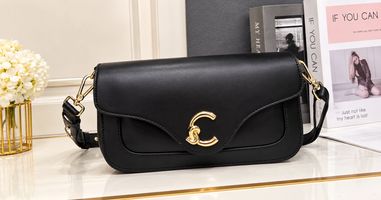
Coccinelle C-Me bag works well for everyday style because its flap front, shoulder-carry profile, clean body, and polished hardware can move between workwear, casual outfits, and dressier plans without demanding a completely different wardrobe.


The appeal comes from restraint. The front section gives C-Me a recognizable identity, while the shoulder format keeps it easy to wear during a normal day. Instead of relying on oversized hardware or heavy decoration, the design lets proportion, leather, and carrying position do most of the visual work.


1. The First Impression Starts at the Front


C-Me makes its strongest impression from the front. The flap creates a defined upper section, while the lower body stays comparatively clean. That division gives the bag character without covering the surface in unnecessary detail.


Hardware becomes easier to notice because the surrounding area is restrained. Rather than competing against patterns or multiple decorative elements, the closure sits inside a cleaner visual field.


Viewed from the side, the body remains relatively compact. It can sit close to clothing instead of projecting far away from the torso, which matters when the bag is worn for several hours.


There is enough detail to make C-Me recognizable, yet the design still leaves room for clothing, shoes, and other accessories to contribute to the outfit.


2. A Brand Direction Built Around Wearability


Coccinelle tends to work best when polished details remain connected to practical use. Cleaner designs rely less on decoration and more on proportion, leather finish, hardware placement, and carrying style.


That approach is easy to see across coccinelle bag designs where measured proportions and a clear front make repeated wear easier. C-Me fits comfortably into this direction.


The flap provides personality, but the rest of the body stays controlled. Tailored trousers, denim, simple dresses, and knitwear can all sit beside the bag without competing for attention.


Instead of tying the wearer to one specific look, C-Me changes slightly according to the clothing around it.


3. The Flap Gives the Front More Definition


The flap is central to the identity of C-Me because it creates both depth and visual separation.


An uninterrupted front can make a shoulder bag feel softer and more casual. C-Me takes a different route. Its flap creates a stronger upper line, giving the bag more definition before the hardware is even considered.


Closure placement then brings the eye toward the center. The cleaner lower body gives that detail enough room to register clearly.


The flap also affects how the bag behaves beside different fabrics. Smooth tailoring emphasizes its outline, while textured jackets or knitwear make the cleaner front stand out by contrast.


This interaction helps the design remain distinctive without depending on oversized details.


4. Front Details Give the Design Its Identity


Recognition comes from how the flap, closure, and body work together rather than from one exaggerated feature.


The front remains restrained enough for the hardware to be visible, while the lower section prevents the design from becoming visually crowded.


The flap is a defining part of Coccinelle C-Me flap bag, giving the front a clear focal area without making the design overly decorative.


Simple clothing can make this especially clear. A clean jacket, monochrome dress, or plain knit top gives the flap and hardware more room to register.


Because the effect is subtle rather than dramatic, the bag can return to the same wardrobe repeatedly without feeling tied to one season.


5. Strap Placement Changes How the Bag Sits


Shoulder bags depend heavily on the relationship between strap placement and body size. Even a polished front can feel awkward when the bag hangs too low or the strap seems disconnected from the rest of the design.


C-Me keeps the upper and lower sections visually connected. The strap does not read like an afterthought, which helps the bag feel more complete when worn.


Where the body lands also changes its interaction with clothing. Shorter jackets leave more of the front visible, while coats and thicker layers can partially cover the body.


The shoulder placement and body proportion become especially noticeable once the wearer starts moving. Walking, sitting, and shifting the bag change how close it stays to the torso and how prominently the flap remains visible.


That gives the design a practical dimension beyond its appearance in a static product image.


6. Shoulder Carrying Changes the Overall Effect


Shoulder carrying makes the bag part of the wearer's outline, so scale matters differently than it does when an accessory is held away from the body.


C-Me sits close enough to clothing to feel integrated into an outfit. This gives it a less formal character than rigid top-handle designs while preserving a polished front.


Coccinelle shoulder bag styling works especially well here, giving the outfit definition without adding too much visual weight near the torso.


Outerwear can change the impression considerably. A fitted jacket keeps most of the body visible, while heavier layers may conceal part of the bag and put greater emphasis on the flap and closure.


The shoulder position therefore affects both comfort and styling, particularly when clothing changes across seasons.


7. Daily Movement Favors an Easy Format


Everyday use rarely means standing still. Commuting, walking into shops, sitting at lunch, getting in and out of a car, and moving between indoor and outdoor spaces all change how a bag feels.


Shoulder carrying handles these transitions well because the bag stays close without requiring constant attention.


Compact proportions also help in crowded environments. The body takes up less space than a large tote and can be repositioned quickly when necessary.


Opening access, strap behavior, and the way the bag rests against clothing become more noticeable after several hours of wear than they are during a brief try-on.


That is where daily movement and carrying comfort start to matter as much as the visual design itself.


8. Refinement Works Best When It Stays Practical


Recognizable details become more useful when they do not interfere with regular wear.


C-Me succeeds here because the flap and hardware give the front a focal point while the rest of the body remains visually quiet. The bag can look polished without being restricted to formal clothing.


Shoulder construction, a flap front, and measured proportions come together naturally in Coccinelle C-Me bag, giving the design a polished but wearable character.


That combination suits wardrobes that move between office clothing and casual pieces. One day the bag can reinforce the cleaner lines of a blazer; another day it can add definition beside denim and knitwear.


Practical range becomes part of the appeal rather than something separate from the design.


9. Workwear and Casual Clothing Reveal Different Sides


Workwear tends to emphasize the cleaner parts of C-Me. Blazers, straight trousers, fitted coats, and simple dresses already provide clear lines, so the bag can reinforce that direction without making the outfit feel busy.


Casual clothing changes the emphasis. Denim, softer knitwear, flat shoes, or a lightweight jacket make the polished front more noticeable by contrast.


The accessory itself does not need to change for the mood to shift.


Color can push that difference further. Neutral tones settle more quietly into professional clothing, while a stronger shade may become the main accessory beside weekend pieces.


That range makes work-to-weekend styling one of the more useful ways to understand what C-Me can do in a mixed wardrobe.


10. Material and Color Shift the Mood


Leather finish affects how clearly the flap and body lines appear. Smooth surfaces can make the front look sharper, while subtle texture introduces more depth.


Darker shades tend to strengthen the outline and make hardware easier to notice. Lighter tones soften the same proportions and can make the bag feel less formal.


These differences matter because C-Me does not rely on heavy ornament. When the surface remains clean, leather character and color have more influence over the overall impression.


Season changes the context as well. Deeper tones sit comfortably beside coats and heavier fabrics, while lighter finishes can feel easier beside cotton shirts, dresses, or lightweight jackets.


The core design stays recognizable even as those surface choices change.


11. The Flap Also Changes Daily Access


Opening style becomes important once the same bag enters a regular routine. A flap adds one extra movement before reaching the interior, but it also keeps the front more composed during wear.


The practical value of Coccinelle flap bag styling depends on how often the wearer needs to reach inside. Someone checking a phone, keys, or cards repeatedly may notice the opening sequence more than someone who accesses the bag only a few times during an outing.


Interior organization therefore matters. Frequently used objects work better near the easiest access point instead of disappearing beneath less important items.


Capacity and access become closely connected in a compact format. Good organization can make the bag feel easier to use even when the interior itself has not changed.


Those details are what make daily access and practical carry worth considering beyond appearance alone.


12. Why the Design Can Stay Useful Over Time


Long-term usefulness usually comes from fitting several parts of a wardrobe rather than performing perfectly in only one setting.


C-Me has enough front detail to remain recognizable, but not so much decoration that it becomes difficult to coordinate. Shoulder carrying also gives it a more flexible character than designs centered entirely on hand carry.


Tailored clothing, denim, dresses, knitwear, and seasonal outerwear can each bring out a different aspect of the same bag.


Repeated wear is therefore tied to adaptability. The flap adds identity, the body keeps the profile controlled, and shoulder placement makes the design practical across different parts of the day.


C-Me works best as a recurring wardrobe piece: polished enough to add definition, restrained enough to stay useful after the outfit around it changes.

<p>What Makes the Furla Iride Crossbody Easy to Style and Carry?</p><p>What Makes the Furla Iride Crossbody Easy to Style and Carry?</p>

What Makes the Furla Iride Crossbody Easy to Style and Carry?

The Furla Iride bag suits everyday crossbody use when the goal is a compact profile, easy movement and a cleaner finish. Its adjustable strap, textured leather and distinctive front hardware give the smaller body enough character without making it feel bulky beside everyday clothing.


What makes it useful is the balance between size and presence. It stays close to the body, yet the front closure and leather finish keep it from disappearing into an outfit.


1. The Compact Profile Leaves More Room for the Outfit


Iride does not need a large body to stand out. Its smaller proportions work beside jackets, knitwear, straight trousers or dresses without becoming the dominant part of the look.


That becomes useful when clothing already has volume. A coat or wider trouser leg can carry most of the visual weight, while the bag stays controlled near the hip.


The compact footprint also feels easier in restaurants, cars and crowded spaces. There is simply less bag to manage around the body.


2. Placement Changes the Character of the Bag


A higher crossbody position keeps the bag close to the waist and gives the whole setup a tighter appearance. Lowering it toward the hip creates more separation and slightly more movement.


Even a small strap adjustment can make a noticeable difference because the body itself is compact.


How Iride sits against the body therefore deserves more attention than choosing one strap setting and leaving it there for every outfit.


3. Strap Length Has a Bigger Effect Than It First Appears


A shorter setting usually keeps Furla Iride crossbody bag proportions closer to the torso and limits movement while walking.

More length can feel easier over lighter clothing or for someone who prefers the bag lower on the hip. Neither position is automatically better.


Coats and layered knitwear change the effective strap length too, so the setting that works in warm weather may need adjusting once heavier clothing comes back into rotation.


4. Texture Prevents the Exterior From Feeling Flat


Compact bags can look plain when size and color do most of the work.


The textured leather on Iride adds enough surface variation to break up the exterior without crowding it with decoration.

Under changing light, the grain becomes part of the design rather than background detail.


Smooth tailoring makes that texture more noticeable. Denim takes some formality out of it. Knitwear creates a softer combination.


The bag can shift between those settings without needing a different visual identity each time.


5. Iride Makes More Sense When Seen Beside Other Furla Shapes


Iride has its own character, but not everyone looking at it necessarily needs this exact proportion.


Broader Furla bag options make it easier to compare compact crossbody use with roomier bodies, different closures or more divided interiors.


That comparison helps clarify what Iride does well. It is strongest when the priority is a smaller crossbody with a distinct front and a controlled silhouette, not maximum space.


6. The Front Hardware Does Most of the Visual Work


The cylindrical metal closure and Furla Arch detail give the front a clear focal area.


On a small bag, one strong detail can be enough. There is no need for a busy exterior when the closure already breaks up the leather surface and creates a recognizable center.


Its prominence also changes with the outfit. Against simple clothing, the hardware reads more strongly. Next to heavier textures or layered pieces, it becomes a quieter accent.


7. The Interior Rewards a More Selective Carry Routine


The zipped pocket gives smaller belongings one defined place instead of leaving everything loose in the main compartment.


That makes a compact daily load easier to manage. A phone, cardholder and a few personal items are easier to live with than several rigid cases competing for the same space.


Iride is less convincing when it has to absorb extras throughout the day. Its strengths show more clearly when the contents stay edited.


8. The Product Should Be Judged While Moving


A crossbody can look right in a mirror and still feel wrong after twenty minutes of walking.


Strap length, hip placement and the amount of movement all matter. Furla Iride works best when its compact body stays close enough to feel controlled without becoming awkward against the torso.


A higher position can reduce swinging. A lower one may feel less restrictive depending on body proportions and clothing.


The useful setting is the one that stops drawing attention to itself once the day gets going.


9. Clothing Volume Changes the Same Bag More Than Expected


A winter coat adds material between the strap and body, while a thin knit or dress lets the bag sit closer.


That difference can shift the bag higher, change the angle of the strap and alter how the compact body rests near the hip.


Because Iride is relatively small, correcting the balance usually takes only a minor strap adjustment.


There is less need to fight the proportions than there would be with a much larger crossbody.


10. Easy Access Matters as Much as Hands-Free Carry


Crossbody use is often reduced to one benefit: keeping both hands free.


In practice, access matters just as much. A Furla crossbody bag should be easy to slide forward when something inside is needed, then settle back into place without constant adjustment.


Too low and the body may move around more than expected. Too high and opening the bag can feel cramped.


The useful position sits somewhere between those two extremes.


11. Capacity Is More Useful When the Remaining Space Still Works


A compact interior can hold several items and still feel inconvenient if everything has been packed too tightly.


The better test is whether the zipped pocket stays reachable, the main opening remains easy to use and one object can come out without disturbing everything around it.


How Iride uses its compact interior matters more than any generic list of what should fit.


A little spare room can make the bag feel noticeably easier over several hours.


12. Leather and Hardware Keep the Style From Going Too Casual


Crossbody bags are practical by nature, but their materials decide whether they read sporty, relaxed or polished.


Textured leather gives Furla leather crossbody bag styling a cleaner edge, while the metal closure adds enough definition to keep the front from looking plain.


That combination works beside denim without becoming overly casual and still feels appropriate with cleaner trousers, a dress or a tailored jacket.


The versatility comes from finish and proportion, not decoration piled onto the exterior.


13. The Best Match Is Someone Who Already Packs Light


Iride works most naturally for a person who does not need a bag to absorb a changing load all day.


A few regular essentials fit the format better than chargers, larger cases and backup items added just in case. Once the contents stay predictable, the smaller body becomes an advantage rather than a limitation.


Less bulk near the hip, easier movement and a cleaner profile are the payoff.


For someone who regularly carries more, the tradeoff may be harder to justify.


14. The Carrying Experience Is the Strongest Reason to Choose It


A Furla Iride bag makes sense when compact proportions, an adjustable strap, textured leather and a defined front are all part of what the wearer wants from the start.


Someone who walks frequently may care most about stability. Someone moving between seated settings and short trips may care more about access and the smaller footprint.


Neither use case requires the bag to do everything.


How Iride fits different daily routines is the more useful final question, because the right match comes from how naturally the bag fits into the day rather than how many roles it can theoretically cover.

<p>Pinko Love Bag One Crossbody Bag: Carry, Capacity and Daily Fit</p><p>Pinko Love Bag One Crossbody Bag: Carry, Capacity and Daily Fit</p>

Pinko Love Bag One Crossbody Bag: Carry, Capacity and Daily Fit

Pinko Love Bag One crossbody bag works best for someone who wants a structured bag that stays close to the body, carries a controlled set of daily essentials and shifts easily between shoulder and crossbody wear. It fits errands, appointments and social plans without asking for oversized capacity.


What stands out in regular use is how little the body changes from one setting to the next. The flap stays defined, the chain remains visible, and the bag still looks intentional beside denim, knitwear or a jacket even when it is not packed heavily.


The limitation shows up when the day keeps adding things. A routine built around a phone, wallet and a few compact essentials suits this format far better than one that regularly picks up bulky cases, bottles or paperwork along the way.


1. The Body Keeps Its Profile Without Much Help


The flap, sides and base hold their lines even when the interior is only lightly filled. There is no need to pack the bag simply to make it look complete.


That matters on shorter days when only a few things leave the house. A softer bag might collapse or change noticeably around a light load; this one keeps a more consistent outline.


For anyone who likes that controlled look, the structure does part of the styling before clothing enters the picture.


2. Proportion Matters More Than Maximum Size


A useful crossbody should feel substantial enough to carry every day without becoming awkward once the strap runs diagonally across the body.


For repeated daytime wear, pinko bag proportions here sit in a useful middle ground: visible enough to register beside clothing, but compact enough to stay close during walking or short stops.


The width gives the front some presence. Depth stays restrained, so the bag does not project far from the torso when it is lightly packed.


That difference becomes more noticeable in motion than it does on a shelf.


3. It Has Character Without Depending on Bright Color


Structure, chain hardware and the front closure do most of the visual work. The bag does not need a vivid color to remain noticeable.


Against simple clothing, those details are enough to keep the body from disappearing. At the same time, black leather leaves plenty of room for coats, shoes or jewelry to carry their own part of the outfit.


Readers comparing this format with the wider brand assortment can use pinko bags as the broader category reference before deciding whether this more focused option fits their routine.


4. Flap Access Is Better With Some Room Left at the Top


A flap becomes easier to use when the upper interior is not crowded.


A phone case or pouch pressed tightly against the opening may not stop the bag from closing, but it makes repeated access less fluid. That becomes annoying faster during errands or several short appointments than during one quick trial.


Leaving a little breathing room near the top keeps the closure easier to reach.


5. Interior Space Favors Flat and Compact Items


Slim objects tend to cooperate better with a structured interior than several pieces competing for depth.


A phone, compact wallet, card case and a few smaller personal items can form a practical core. One thick cosmetic case can change the arrangement more than two or three flatter pieces.


Item count therefore tells only part of the story.


Some empty space is useful too. It leaves room for fingers to reach between things and gives the bag a little tolerance if one small item gets added later.


6. The Best Load Stops Before the Interior Feels Full


Packing every available centimeter may prove that something fits, but it does not necessarily make the bag pleasant to use.


For buyers checking the exact version discussed here, pinko love bag one crossbody bag can link directly to the product page in this section.


The product view is useful for judging the relationship between width, depth and flap construction rather than treating capacity as a single number.


A comfortable load should still leave enough room to separate items without tugging at the closure.


If the normal essentials already consume nearly all of the available space, a larger format will probably feel easier after the novelty wears off.


7. Shoulder Wear Gives the Same Bag a Cleaner Side Position


On one shoulder, the chain falls more vertically and most of the bag stays beside the body rather than across the front.


That makes it quick to bring forward for access. It also leaves jacket buttons, knit texture or a shirt front relatively unobstructed.


The look can feel a little sharper this way, especially when the bag sits beside tailored clothing.


Longer walks reveal the compromise. A shoulder position may need an occasional adjustment, while diagonal wear tends to stay anchored more consistently.


8. Real Item Combinations Tell More Than Dimensions


Measurements are useful, but they rarely answer whether the exact things carried together will feel comfortable inside.


A phone and compact wallet may leave enough room for several smaller pieces. Swap one of those for a deep case, and the same interior can feel much tighter.


The better test is therefore a combination, not a list of isolated objects.


Readers who want that breakdown can continue to what fits comfortably inside, focusing on item groups, spare room and the point where access starts becoming awkward.


9. Crossbody Position Changes More Than the Look


Diagonal wear anchors the chain across the torso, so the bag moves more closely with the wearer.


Coat thickness, torso length and packing weight can all shift where the body settles. Even a small change in height alters whether the bag feels compact or more visually noticeable.


During active use, pinko crossbody bag positioning works best when the body clears the natural arm swing and does not sit directly over a jacket pocket that needs frequent access.


Higher placement can feel contained in crowded spaces. A slightly lower drop gives the bag more separation from the upper half of the outfit.


10. Clothing Changes How the Chain Settles


Over a thin shirt, the chain usually drops with little interference. A winter coat changes both its height and how firmly it sits on the shoulder.


Heavy knits add another variable. Texture can catch the eye around the metal and make the strap appear more prominent than it does against smooth fabric.


For year-round use, it is worth thinking about the layers worn most often rather than judging the strap only over lightweight clothing.


11. Walking Shows What a Mirror Cannot


Standing still says very little about how a crossbody behaves once the day starts moving.


A few blocks of walking reveal whether the body stays where expected, turns slightly or needs to be nudged back into place. Getting into a car, entering a shop and sitting briefly add their own small changes.


Those transitions matter because most everyday use is made up of them, not long periods of standing perfectly still.


A closer look at how the bag sits when worn crossbody can take that question further through movement, outerwear and carry height.


12. Daytime Use Benefits From Its Controlled Presence


Some chain bags become dressy as soon as the hardware is visible. Black leather and a restrained body keep this one easier to use earlier in the day.


In regular rotation, pinko love bag one can sit beside denim, fine knitwear, clean trousers or straightforward outerwear without needing an occasion around it.


The chain adds enough finish to keep the bag from feeling purely functional. The body, meanwhile, stays compact enough not to dominate casual clothing.


That middle ground is where the bag earns much of its day-to-day usefulness.


13. Capacity Becomes a Problem When the Day Keeps Growing


A predictable morning load is one thing. An afternoon that keeps collecting extra objects is another.


A notebook, bottle or bulky case can consume space quickly even when each item appears modest by itself.


That is where the difference from a tote or soft hobo becomes obvious. This format handles a defined set neatly; it is much less interested in absorbing whatever turns up later.


For routines that frequently expand without warning, the limitation will be felt sooner than the styling advantage.


14. The Best Match Is a Routine That Already Fits the Bag


Structure, compact capacity and two useful carry positions work best when those qualities line up with habits already in place.


A person who usually leaves with the same essentials, switches between shoulder and crossbody wear and prefers a defined body is likely to use more of what the bag offers.


In that role, pinko bag appeal comes from consistency rather than sheer storage: the body keeps its form, the chain changes how it can be worn, and the interior supports a controlled load without needing constant rearrangement.


Anyone still deciding whether that combination makes sense in real life can continue to where this format works best, focusing on the days and activities that suit it most.

<p>Roger Vivier Shoes: How Slidy Viv' Mules Fit Everyday Dressing</p><p>Roger Vivier Shoes: How Slidy Viv' Mules Fit Everyday Dressing</p>

Roger Vivier Shoes: How Slidy Viv' Mules Fit Everyday Dressing

Roger Vivier Slidy Viv' works best when someone wants an easy slip-on shoe that still brings enough detail to finish denim, trousers, knitwear, or a simple skirt. The open heel keeps the profile relaxed, while the stronger front prevents it from reading like a basic house mule.


That combination is the reason to consider the style. It sits between a structured loafer and a very casual slip-on, so the most useful question is not whether it is formal or casual. It is whether that middle ground fills a real gap in the wardrobe.


1. The Open Heel Changes the Starting Point


A closed loafer surrounds the foot from toe to heel. Slidy Viv' begins from a different idea: most of the structure stays forward, while the back remains open.


You notice that immediately when slipping it on. There is less ceremony than fastening a shoe or easing into a stiff heel counter, yet the front still looks substantial enough to register as part of the outfit.


This matters on days built around short walks, sitting, driving, errands, or moving between indoors and outdoors. The shoe does not need to behave like a sneaker to be useful; it simply serves a different kind of day.


2. Most of the Presence Sits at the Front


Remove structure from the heel and the eye naturally spends more time near the toe.


That puts more responsibility on the vamp, buckle, material, and toe outline. If the trousers stop high enough to reveal the whole upper, those elements read together. If fabric drops lower, the front may be almost all that remains visible.


This front-weighted look is part of the appeal. The shoe can add something noticeable to an otherwise quiet outfit without carrying the bulk of a fully enclosed loafer.


A straight dark trouser is a good example. Nothing complicated is happening, yet the stronger front prevents the lower half from feeling unfinished.


3. It Fills a Different Role From a Formal Flat


A useful shoe rotation works better when each pair has a reason to be there.


Some pairs suit polished tailoring or occasions where a closed silhouette feels right. Within Roger Vivier shoes, a backless style answers a different need: more ease, less enclosure, but still enough presence to look deliberate.


That is where Slidy Viv' earns its place. It does not need to compete directly with pumps or classic loafers.


If structured flats already cover the formal side of the wardrobe, a more relaxed slip-on may add more range than another similar closed design.


4. The Rear Opening Prevents the Shoe From Feeling Too Dense


The front carries noticeable visual weight, yet the side profile never becomes fully solid because the heel is exposed.


That contrast is easy to see under ankle-length trousers. The upper feels substantial from the front, then the silhouette opens as the eye moves backward.


A midi skirt shows the same idea more clearly. There is enough space around the ankle for the rear opening to become part of the look rather than disappear under fabric.


Heavier wool trousers or a substantial knit can still sit comfortably above the shoe. The exposed heel keeps a small break in the lower silhouette instead of letting everything collect into one dense block.


5. Quiet Clothing Lets the Shoe Finish the Outfit


An outfit of straight denim, a soft crewneck, and a compact jacket does not need another large statement piece.


In that setting, Roger Vivier Slidy Viv shoes can take over the finishing role. The front carries enough character to give simple clothes a clearer endpoint, yet the back keeps the result from turning dressy.


The same logic works for trousers and a fine knit. Instead of adding pattern, jewelry, or a more elaborate bag, the shoe can provide the one stronger detail near the floor.


That is useful for repeat wear. The surrounding pieces can change substantially while the footwear keeps doing the same job.


6. Slip-On Wear Has Its Own Rhythm


Open-backed footwear feels different once the day involves more than standing in front of a mirror.


The heel moves freely, the front section keeps the foot aligned, and the shoe feels less contained than a conventional loafer. Some people enjoy that immediately; others prefer more rear support when walking for longer stretches.


That is why how the slip-on construction works for longer wear deserves its own discussion rather than being reduced to “easy to put on.”


Think about the actual day: walking several blocks, sitting for hours, stepping in and out of a car, moving around an office, or spending most of the time indoors. A mule can feel perfectly suited to one of those routines and less ideal for another.


7. A Mule Does Not Have to Look Casual Everywhere


Backless shoes naturally lean relaxed, but the rest of the design can pull them in another direction.


A pressed trouser crease creates one kind of contrast, while a fluid midi skirt creates another. In both cases, the open rear adds ease while the upper keeps the shoe visually finished.


That balance is especially clear when Roger Vivier Slidy Viv' mules sit beneath clothing that mixes clean structure with softer fabric or movement.


The strongest outfits usually contain both qualities. Too many casual pieces can make the shoe disappear into the background, while a completely formal outfit may fight its slip-on construction.


A small amount of tension is useful here.


8. Decoration Needs Breathing Room Near the Foot


A noticeable upper does not mean every other garment must be plain.


The key is location.


A textured knit near the shoulders, a substantial coat, or a patterned bag carried higher on the body can coexist easily because those details are separated from the shoe.


Problems start when several strong elements gather within the same narrow zone. Embellished trouser hems, dense hosiery, busy pattern, and a decorated shoe all asking for attention near the ankle can make the lower section harder to read.


A calmer few inches around the foot are usually enough. The rest of the outfit can still carry texture, pattern, or stronger accessories elsewhere.


9. Ease Should Look Intentional


The relaxed quality built into the open heel works better when the rest of the outfit acknowledges it rather than trying to disguise it.


Soft tailoring is an easy route. The lines remain clean, but the fabric does not feel rigid.


Dark denim and fine knitwear work for the same reason. They give Roger Vivier Slidy Viv' enough structure nearby without pretending the shoe belongs to a highly formal uniform.


Even a sharper jacket can fit if something lower in the outfit is less strict—a softer trouser, an open neckline, or a skirt that moves easily.


The shoe feels most natural when the outfit has one or two relaxed decisions built in from the start.


10. Suede Changes the Relationship to the Wardrobe


Material matters more on a mule because so much surface area is concentrated at the front.


Suede reads softer than polished leather and tends to sit comfortably beside wool, denim, brushed knits, corduroy, or other matte materials.


That creates a different mood from pairing the same silhouette with sleek, reflective fabrics. Instead of standing apart sharply, the shoe can blend into a richer field of texture.


This is where how suede changes the pair across different outfits becomes useful. Fabric weight, season, and surface finish can move the same general silhouette toward very different wardrobes.


The result depends less on a single “best” combination than on how many textures the outfit asks the eye to process at once.


11. Polished Clothing Can Benefit From a Less Formal Shoe


A tailored trouser and structured jacket can sometimes feel overly precise when every other element follows the same direction.


A slip-on changes that equation.

Instead of matching tailoring exactly, a more relaxed pair from the wider Roger Vivier shoes range can soften the outfit and create a less formal ending.


A crisp shirt, straight trouser, and mule create a different balance from the same outfit finished by a closed loafer. Neither is automatically better; they simply send different signals.


For wardrobes heavy on structured clothes, that softer ending can be more useful than adding another equally formal option.


12. Trouser Width Changes the Amount You See at Once


A narrow trouser opening leaves the front easy to read and tends to reveal more of the open rear from the side.


A wider leg breaks the view into moments. One step shows the toe, another reveals more of the upper, and the heel may appear only briefly as the fabric moves.


That changing frame can work in the shoe's favor. The front detail feels less constant beneath a wider trouser, so the overall effect becomes quieter.


Length matters too, but width often changes the experience more than expected. Two trousers can finish at almost the same point and still show very different amounts of the shoe once the wearer starts moving.


13. Toe and Sole Decide How Casual the Profile Feels


The front outline and sole establish much of the shoe's character before anyone notices smaller decoration.


A rounded toe softens the profile. A more substantial sole adds weight underneath and keeps the shoe from feeling delicate.


Those elements give Roger Vivier Slidy Viv shoes a grounded base beneath the more polished treatment above.


That contrast explains why the pair can sit beside denim without looking overdressed, then move under cleaner tailoring without looking purely casual.


For a closer look, how the round toe and sole change the profile is the useful next step. Those structural details say more about wardrobe fit than ornament by itself.


14. Skirts Show More of the Open-Back Character


A trouser creates a frame around the foot. A skirt removes most of that frame.


The result is a clearer view of the heel opening and the amount of skin above it.


A straight midi skirt keeps the lower section controlled. A fuller skirt introduces movement and can make the shoe feel smaller beneath the fabric.


Longer skirts can work too, particularly when walking reveals enough of the upper for the shoe to remain recognizable.


The one combination to watch is a heavy hem that hides nearly everything except the decorated toe. Once that happens, much of what separates this style from another embellished flat disappears.


15. The Product Works Best When the Front Has a Job to Do


Some wardrobes already have plenty of quiet flats. In that case, another nearly invisible shoe adds little.


For someone who wants the front of the shoe to contribute something noticeable while keeping the overall construction easy, Roger Vivier Slidy Viv' mules make more sense.


Think of plain denim, clean trousers, a knit dress, or a simple midi skirt. None requires elaborate footwear, but each can benefit from a more defined finish near the ground.


The open back keeps the shoe from becoming overly polished, which is what gives it room to move across those different combinations.


Its value comes from that specific pairing: detail in front, ease behind.


16. The Best Test Is Whether It Solves a Repeating Problem


Versatility sounds attractive, but it can become too vague to help with an actual wardrobe decision.


Maybe a casual flat feels too plain under certain trousers. Maybe a closed loafer looks heavier or more formal than the outfit needs. Maybe a skirt needs something more finished than a minimal slip-on but less rigid than a pump.


Those are the situations worth noticing before buying.


If they happen often, Slidy Viv' already has a job waiting for it. If they rarely come up, the design may still be appealing, but repeat wear becomes harder to predict.

Who Are Alaïa Shearling Mary Jane Flats Best Suited For?Who Are Alaïa Shearling Mary Jane Flats Best Suited For?
Who Are Alaïa Shearling Mary Jane Flats Best Suited For?

Alaïa shearling Mary Jane flats make the most sense in wardrobes already built around textured autumn and winter clothing but still in need of a low shoe. Suede, pale shearling, a rounded front, and metallic hardware give the pair more character than a plain ballerina without turning it into heavy footwear.


Denim, wool, knitwear, relaxed pieces, skirts, and subdued colors all give the design something to connect with. A wardrobe dominated by strict businesswear or very lightweight clothing offers fewer obvious openings.


The more useful question is how naturally the materials fit into clothes and footwear habits already in place.


1. Texture Gives the Pair an Easier Starting Point


Wool, denim, suede, brushed fabrics, and knitwear create a comfortable setting for the shoe. Nothing needs to match the shearling exactly; nearby materials simply need enough surface variation for the trim to feel connected rather than isolated.


A very sleek wardrobe produces a stronger contrast. In that setting, the footwear becomes a more deliberate focal element.


That contrast can still work well, but it should feel intentional rather than accidental.


2. Neutral Palettes Leave More Options


Black, charcoal, cream, brown, stone, navy, olive, and muted burgundy all sit easily around the dark upper and pale edging.


Deeper shades can connect to the suede, while lighter clothing can pick up the trim.

A wardrobe built largely from subdued colors therefore has several ways to absorb the shoe without depending on exact matching.


Brighter palettes are possible too, although they make the contrast around the foot more pronounced.


3. More Detail Than a Basic Flat Can Be Useful


Plain leather ballerinas tend to stay quiet in an outfit. This pair does not.


Texture around the opening and a reflective fastening give Alaïa Mary Jane shoes a stronger presence while the sole remains low and simple.


That works especially well when clothing itself stays restrained. Clean trousers and knitwear do not need print or additional decoration once the footwear is contributing enough detail.


The effect remains controlled because the design does not rely on an oversized sole, exaggerated toe, or large ornamental hardware.


4. Shoes Can Create Variety Without Changing the Wardrobe


Some wardrobes change mainly through new clothing. Others get more mileage from familiar pieces by changing shoes and accessories.


This pair suits the second approach. Dark trousers and a simple knit can take on a different character once shearling and metallic hardware enter the combination.


That can make the shoe particularly useful for someone who repeats core pieces but does not want those outfits to feel identical each time.


5. Existing Flats Can Strengthen the Case for This Pair


Owning leather or mesh ballerinas does not automatically make another flat redundant.


The more important question is whether the new pair behaves differently in the wardrobe.


Here, shearling and suede immediately separate the shoe from cleaner constructions.


The strap creates another distinction without changing the familiar low profile.


If several existing pairs already use plush trim, dark suede, and Mary Jane construction, the gain becomes smaller. If the current collection is mostly smooth and understated, this design fills a more obvious gap.


6. Frequent Flat-Wearers Will Find More Opportunities


A shoe like this is easier to justify when low footwear already appears regularly in everyday dressing.


Someone accustomed to that proportion can move into Alaïa shearling ballet flats without adjusting to a new heel height or bulky sole. The difference comes primarily from the upper and materials.


That matters because an unusual design only becomes useful when the underlying format fits existing habits.


A wardrobe dominated by pumps, boots, or sneakers may leave fewer natural openings, even if the shoe itself is appealing.


7. The Shearling Needs to Feel Like a Feature


The pale border is difficult to ignore. It does not disappear once the shoe is worn.


For someone who already likes tactile footwear, that visibility can be part of the appeal. For someone drawn to very clean uppers and minimal contrast, it may feel too prominent regardless of how well the colors fit the wardrobe.


Personal tolerance for visible texture therefore matters more here than it would with a simple leather flat.


8. Detail Near the Foot Should Feel Comfortable


The upper carries two strong elements: pale shearling around the opening and metal across the darker suede.


Anyone who prefers footwear to stay almost invisible may find that combination unnecessary.


With simple clothing, however, those details can take over some of the work normally done by print, jewelry, or a more decorative bag.


The shoe then becomes the finishing element rather than another neutral piece disappearing beneath the outfit.


9. Matte Fabrics Give Suede More to Work With


Glossy leather, satin, and technical fabrics create a noticeably sharper contrast against the upper.


Denim, wool, matte leather, and softer knits give Alaïa suede Mary Jane flats surfaces that feel more closely related.


Everything around the shoe does not need to stay matte. One polished piece can make the suede more noticeable without making the overall material mix feel disconnected.


10. The Shoe Can Be the Starting Point


Some shoes are added after the outfit is already decided. This one can provide the first cue.


Dark suede may lead toward charcoal or black trousers.


The pale edging can suggest cream, oatmeal, or softer neutral knitwear.


Metallic hardware can connect quietly to a bag clasp, watch, or restrained jewelry.


None of those details has to be copied exactly. Starting from the shoe simply gives the outfit an initial direction, which can be useful when small material differences create most of the variation in a wardrobe.


11. One Distinctive Pair Can Be More Useful Than Several Similar Flats


A tightly edited shoe collection does not always benefit from another plain ballerina in a slightly different finish.


For someone who prefers fewer but more differentiated choices, Alaïa Mary Jane flats can occupy a clearer position because the strap, suede, and shearling are immediately identifiable.


That separation matters when judging whether the pair genuinely expands the wardrobe.


If another shoe already delivers nearly the same profile and mood, the practical gain becomes smaller. If existing flats are smooth and restrained, the difference is much clearer.


12. Check the Shoe Cabinet Before Adding Another Similar Role


The most useful comparison may be with shoes already owned rather than with other versions seen online.


A black suede flat with a strap could already overlap partly with this role.

A shearling-trimmed ballerina would come even closer.


Smooth leather flats, loafers, sneakers, and boots leave a clearer opening because they solve different wardrobe needs.


The question is not whether two pairs look identical. It is whether they would repeatedly be chosen for the same outfits and for the same reason.


That distinction reveals whether the new pair adds a genuinely different option or simply another variation of an existing favorite.


13. The Best Fit Comes From Existing Habits


The strongest match is a wardrobe where low shoes already get regular wear and tactile materials are part of normal dressing.


In that setting, Alaïa shearling Mary Jane flats do not demand a new styling formula. They can enter clothing habits that already include denim, knitwear, wool, simple skirts, and quieter colors.


The shearling supplies a more noticeable surface, while the low base keeps the familiar proportions of a flat. Metallic hardware adds another point of difference without changing how the shoe functions.


A useful final test is simple: if the pair complements habits already established rather than requiring new ones, it has a much clearer place.

Where Do Alaïa Shearling Mary Jane Flats Work Best in Everyday Life?Where Do Alaïa Shearling Mary Jane Flats Work Best in Everyday Life?
Where Do Alaïa Shearling Mary Jane Flats Work Best in Everyday Life?

Alaïa Mary Jane flats work best on days that call for low footwear but still benefit from visible texture and a defined strap. They can move from casual errands to lunch, relaxed offices, travel days, and informal dinners, although suede and shearling are better suited to dry conditions than unpredictable wet weather.


The sole stays low and compact, while the trim and metallic fastening give the shoe enough presence for settings where a basic flat might feel too plain.


Rather than treating the pair as footwear for one specific outfit, it helps to look at where its materials and level of polish fit naturally into a normal week.


1. Casual Errands Are an Easy Starting Point


Denim, knitwear, and a simple jacket create one of the easiest settings for this pair.


The shoe adds more detail than a plain leather flat without making an everyday outfit feel dressed up. Its low construction also suits coffee stops, shopping, or moving between several places.


Black or washed denim connects easily to the dark upper while the pale trim adds contrast.


The result can feel distinctive without requiring much from the rest of the outfit.


2. Weekend Lunch Can Use a Softer Mix


Weekend lunch outfits often sit between casual and polished. Heavy tailoring may feel unnecessary, while sneakers can be too informal for some settings.


A skirt, straight trousers, or dark denim can all support that balance. The metallic strap gives Alaïa shearling Mary Jane flats enough definition to avoid reading as purely casual footwear.


Soft knitwear keeps the upper half relaxed, while a cleaner coat or structured bag can sharpen the overall look.


3. They Can Work for a Casual Office


Whether the pair suits work depends more on the office environment than on the shoe itself.


Creative offices, hybrid workplaces, and settings without strict dress codes can accommodate suede, shearling, and metallic hardware easily.


Straight trousers help control the overall impression. A fine knit, shirt, or simple blazer can keep the look polished without becoming formal.


Traditional business tailoring is less natural territory because the fluffy border introduces a softer, more casual note.


4. Desk-to-Dinner Dressing Needs Only Small Changes


This pair does not immediately signal either daytime or evening.


Dark trousers and a knit can move toward dinner by changing the bag, outer layer, or jewelry. The metallic fastening becomes more noticeable under indoor lighting and adds a little extra definition.


Keeping the base outfit simple makes that transition easier without requiring a shoe change.


5. Suede Works Well for Quiet, Polished Outfits


Very decorative clothing is unnecessary here.


Clean trousers, a simple midi skirt, or a restrained neutral palette leaves enough room for Alaïa suede Mary Jane flats to add texture without competing with several other details.


The suede remains understated from a distance, while shearling and metal become more noticeable closer up.


That balance suits cafés, lunches, galleries, and other daytime settings where polished dressing can still feel relaxed.


6. Travel Days Favor Simpler Clothing


Travel outfits already involve layers, bags, and practical pieces, so keeping the clothing around the shoe relatively clean helps.


Straight trousers, knitwear, and a compact jacket allow the pair to remain visible without adding more visual clutter.


The low profile also fits naturally into a travel wardrobe.


For journeys involving repeated outdoor transfers or uncertain weather, however, smoother and more weather-tolerant footwear may be the easier choice.


7. Museum and Gallery Days Suit the Pair Well


Indoor cultural settings often involve plenty of walking while still rewarding a considered outfit.


The shoe can sit beneath straight or wide trousers without making the lower half look overly formal.


A long coat, simple knit, or structured bag can add polish while leaving the footwear as the softer element.


This creates a useful balance between comfort-oriented dressing and visible design detail.


8. Mary Jane Structure Helps in Smart-Casual Settings


Smart-casual dressing needs enough definition to avoid looking unfinished without becoming rigid.


A clean trouser, fine knit, and restrained outer layer create that balance. The strap on Alaïa Mary Jane shoes provides a clear focal line without pushing the outfit toward formal footwear.


This works especially well for informal meetings, lunches, or hotel settings where sneakers may feel too relaxed.


The rounded front keeps the result softer than a sharply pointed flat would.


9. Relaxed Dinners Do Not Require a Heel


A low shoe can still work for dinner when the outfit already has enough intention.


Dark trousers, a long skirt, or a simple dress can provide a clean base, while the reflective strap adds a small amount of evening detail.


A compact bag can sharpen the look further.


For highly formal occasions, however, the shearling border may still read too casual.


10. The Pair Can Soften Tailoring


Tailoring creates an effective contrast with this shoe.


A blazer and straight trouser provide clean lines, while suede and shearling stop the outfit from becoming too severe.


Soft wool, relaxed shoulders, or slightly wider trousers usually connect more naturally to the footwear than rigid suiting.


Metal hardware adds another small break in texture without requiring a different shoe color.


11. Shearling Can Give Minimal Outfits More Depth


A plain trouser and knit can remain very restrained, yet Alaïa shearling ballet flats introduce a visible border around the foot and a contrasting metallic element.


That can be enough to make the lower half feel more considered.


The rest of the outfit does not need another fuzzy or highly decorative piece.


Cleaner surrounding surfaces usually make the shoe easier to notice.


12. Some Settings Ask for a Different Kind of Shoe


Very formal workplaces are one obvious limit. The shearling border adds softness that may feel too relaxed beside strict business tailoring or conservative dress codes.


Highly formal evening events can create a similar mismatch. Even though the metallic strap adds polish, the textured opening keeps the design closer to relaxed dressing than traditional occasion footwear.


Very sporty days are another case. Technical clothing, active outdoor plans, or long periods in settings where footwear needs to stay unobtrusive may suit simpler shoes better.


The pair makes more sense when the setting leaves room for visible material and design detail rather than requiring footwear to look strictly formal or purely functional.


13. The Strongest Settings Share a Similar Level of Polish


The most natural occasions are those that sit comfortably between completely casual and highly formal: lunch, a relaxed office, galleries, informal meetings, travel days, and dinner without a strict dress code.


These settings allow suede, shearling, and the metallic strap to remain noticeable without making the footwear feel overdone.


That is where Alaïa Mary Jane flats become particularly useful. They can add enough character to a restrained outfit while still letting clothing, bags, and outerwear determine how polished the overall look becomes.


The pair therefore works best when the occasion allows some personality near the foot but does not demand traditional dress footwear.

How Practical Is the Coccinelle Arlettis for Everyday Carry?How Practical Is the Coccinelle Arlettis for Everyday Carry?
How Practical Is the Coccinelle Arlettis for Everyday Carry?

Coccinelle Arlettis handbag works well for everyday carry when the goal is a compact, defined silhouette rather than maximum capacity. Practical value comes from usable space, controlled proportions, flexible carrying choices, and an exterior that stays polished during regular use.


Arlettis is therefore less about fitting everything inside and more about deciding which essentials deserve space. Organization, object size, carrying position, and daily routine matter more than exterior dimensions alone.


1. Compact Capacity Encourages Better Priorities


Compact formats make daily packing more selective. Larger totes can absorb extra belongings almost automatically, while smaller interiors encourage a clearer distinction between essentials and occasional items.


That difference can be useful for routines built around lighter movement. Fewer unnecessary objects usually mean less interior clutter and a more predictable load.


Phone, cardholder, keys, small personal items, and a few extras can remain manageable without turning the bag into general storage for the day.


The benefit is not maximum volume. It is knowing exactly what the bag is meant to carry and keeping that purpose consistent.


2. Everyday Use Depends on Item Size


Capacity is not only about how many objects fit. Their dimensions and rigidity matter just as much.


A slim wallet uses space differently from a thick continental wallet. Compact cosmetics take up less room than several bulky cases, while sunglasses can consume surprising space when stored inside a rigid case.


The most useful way to judge Arlettis is therefore to consider what actually travels inside most days.


Two people may carry a similar number of objects yet experience the interior very differently.


3. Organization Determines How Space Is Used


Limited interior room becomes more effective when each object has a clear place.


The practical character of Coccinelle Arlettis bag becomes easier to appreciate when larger pieces are positioned first and smaller essentials fill the remaining space rather than being scattered throughout the interior.


Bulky items can quickly reduce flexibility, so keeping the layout simple usually works better than trying to use every available corner.


This approach makes the interior feel more intentional and prevents compact capacity from becoming unnecessarily restrictive.


4. Defined Construction Keeps Contents Predictable


Soft bags may change considerably as objects move around inside. More defined construction keeps the interior arrangement easier to anticipate.


That helps when the same essentials are carried repeatedly. Once a useful arrangement is established, belongings are less likely to shift into completely different positions every time the bag moves.


The exterior benefits as well. Contents are less likely to dictate the outer silhouette, helping the profile stay closer to its intended form.


For regular use, that consistency can matter more than extra unused space.


5. Weight Matters as Much as What Fits


What technically fits inside is not always what feels comfortable to carry.


Dense items can make a compact bag feel heavier than expected because the load is concentrated in a smaller body. That changes the experience even if the interior still closes easily.


Keeping weight under control helps the bag remain comfortable through longer periods of walking, standing, or moving between locations.


It also makes switching between carrying methods less noticeable. The bag can move from hand carry to another position without the load becoming distracting.


Comfort therefore depends on weight distribution as much as capacity.


6. Leather and Daily Handling Work Together


Daily handling has a direct effect on coccinelle leather bag surfaces, especially through contact with clothing, frequent opening, and placement on different surfaces.


Smooth leather keeps the outline clean and allows the defined body to stay visually prominent. Regular use can gradually influence how the surface looks and feels, so everyday habits still matter.


Keeping sharp or abrasive objects away from the exterior can help preserve the finish. The same applies when placing the bag on rough flooring or crowded surfaces.


Material care does not need to dominate daily use, but small habits can help preserve a polished appearance over time.


7. Carrying Options Support Different Parts of the Day


The most useful carrying position can change as the day develops.


Hand carrying gives direct control and works well during shorter stops, meals, or situations where the bag is frequently set down and picked up again.


A longer carrying position becomes more useful during commuting, shopping, walking, or other periods when both hands need to remain free.


This flexibility means the bag does not have to serve every part of the day in exactly the same way.


Switching between positions can make the same compact format feel more practical without changing what is packed inside.


8. Easy Access Depends on Retrieval Order


Interior organization and quick access are related, but they are not the same thing.


Frequently used pieces should sit where they can be reached without moving several other objects first. Less frequently used items can occupy deeper or less convenient areas.


Compact interiors make this retrieval order especially important because even a small amount of rearranging can interrupt the flow of use.


Once that order becomes familiar, reaching for cards, keys, or other essentials becomes more automatic.


The result is a smoother daily experience without adding more space.


9. Practicality Depends on the Routine


Daily usefulness depends on whether capacity matches normal habits rather than occasional high-volume days.


coccinelle bag designs in a compact format make more sense for routines built around smaller essentials and lighter movement. People regularly carrying documents, large bottles, electronics, or several bulky accessories may need something larger for those situations.


The Arlettis handle version provides a useful reference for judging how this compact format matches an everyday routine: https://www.bniox.com/products/coccinelle-arlettis-handle-bag-cca04


Its usefulness is easier to judge against the actual belongings carried every day than against capacity as an abstract number.


10. Travel Use Depends on the Bag’s Role


Compact handbags can work well during travel when they serve as the easy-access layer rather than the only bag being carried.


Passports, cards, phone, small personal items, and other frequently needed pieces benefit from staying close instead of disappearing inside larger luggage.


The smaller body is also easier to manage in restaurants, shops, transport, and crowded public spaces.


Travel days involving larger electronics, clothing, or bottles are better handled by pairing Arlettis with a larger carryall instead of expecting one compact format to cover every need.


11. Repeated Use Reveals What Matters Most


Practical value becomes clearer after the same bag has moved through ordinary routines.


Important qualities are usually straightforward: easy access, manageable weight, consistent form, and carrying methods that suit the amount of movement involved.


Smooth performance during workdays, errands, short trips, and social plans can make compact capacity more useful than expected.


Daily routine ultimately reveals more about practicality than maximum interior volume.


12. Crossbody Wear Changes How the Bag Behaves


Using coccinelle crossbody bag styling changes the relationship between the bag and the wearer. The body stays closer during movement, reducing the need to hold or reposition it repeatedly.


That difference becomes especially noticeable during longer walks, shopping, public transport, or travel between multiple locations.


Crossbody placement can also make compact proportions feel more natural because the bag stays secure without creating much bulk against clothing.


Hand carrying still gives the Arlettis a more polished presentation, while crossbody wear emphasizes mobility and convenience.


The two approaches therefore serve different needs: one highlights presentation, while the other prioritizes hands-free movement.


That flexibility strengthens everyday usefulness without forcing the bag into a single carrying routine.

How Does the Coccinelle Arlettis Work Across Everyday Outfits and Occasions?How Does the Coccinelle Arlettis Work Across Everyday Outfits and Occasions?
How Does the Coccinelle Arlettis Work Across Everyday Outfits and Occasions?

A coccinelle bag such as the Arlettis works well for everyday styling because its compact body, curved flap, defined handle, and polished front details can move between workwear, casual outfits, and more dressed-up combinations without requiring a completely different accessory.


Its appeal comes from how the proportions interact with clothing. The structure adds definition, while the curved front keeps the overall look from becoming too formal. That balance makes the Arlettis useful for wardrobes that shift between different levels of polish during the week.


1. Why the Silhouette Adapts Easily


The Arlettis has enough definition to register clearly beside clothing without dominating the outfit. Its compact body creates a visible accessory line, while the curved front softens the effect.


Tailored jackets, trousers, and clean dresses already have strong lines, so the bag can sit beside them without looking overly decorative.


Softer knitwear and looser separates benefit differently. The bag introduces more definition, helping the outfit feel considered without becoming formal.


2. How the Design Works Beyond One Occasion


A handbag becomes more useful when it does not feel tied to a single setting. The Arlettis can move from daytime use to a more polished evening outfit because its proportions remain controlled and the front detail is noticeable without being excessive.


The compact structure of Coccinelle Arlettis bag helps with these transitions. It has enough visual presence to complete an outfit, yet the body remains restrained enough for regular use.


For work, the clear outline pairs easily with jackets, trousers, or a simple dress. Later in the day, the curved flap and hardware become more visible beside cleaner clothing.


This flexibility reduces the need to build an outfit around the accessory itself.


3. Workwear Benefits From Clear Proportions


Tailored clothing already establishes a strong visual framework, so the handbag works best when it reinforces that direction instead of introducing another competing element.


The Arlettis sits neatly beside a blazer, straight trousers, a midi skirt, or a fitted coat. Its compact scale keeps the outfit composed, while the handle remains visible beside heavier fabrics.


Color can shift the effect considerably. A restrained shade blends into professional clothing, while a contrasting finish brings more attention to the accessory without changing its proportions.


4. A More Feminine Look Without Excess Decoration


The curved flap and compact body create a softer impression than a strictly rectangular top-handle design. This makes the Arlettis easy to pair with dresses, skirts, and lighter fabrics.


The proportions of Coccinelle Arlettis women's bag also suit outfits where the handbag should contribute to the silhouette rather than become the main visual element. The front closure adds detail without requiring additional ornament elsewhere.


A simple dress can therefore remain clean while the handbag introduces structure. A blouse and skirt combination gains a similar benefit because the bag adds a clearer finishing element.


The effect depends more on proportion than decoration, which makes the design easier to reuse across seasons.


5. Casual Clothing Changes the Mood


The same bag feels less formal beside denim, flat shoes, knitwear, or a simple jacket.


Casual clothing reduces the visual emphasis on the handbag's polished construction. The curved flap and front closure remain visible, but the overall outfit feels lighter.


This makes the Arlettis useful for people who prefer one handbag to move between weekday and weekend clothing without appearing out of place.


6. Color and Material Affect Styling More Than Expected


A structured handbag can change noticeably depending on surface finish and color. Darker shades usually make the outline feel more defined, while lighter tones can make the same construction appear softer.


Smooth leather highlights the curved front and edges. Subtle texture changes how light moves across the surface, creating depth without altering the proportions.


Neutral colors blend easily into workwear and everyday outfits. Stronger tones can make the handbag more prominent, especially beside simple clothing.


Season also changes the effect. Darker finishes sit comfortably beside heavier coats and knitwear, while lighter shades can feel more open beside spring or summer fabrics.


The Arlettis benefits from this flexibility because the underlying construction remains recognizable even as color and material change.


7. The Handle Changes More Than Carrying Style


The upper section becomes more noticeable when the bag is carried by its handle. This creates a more polished impression and brings attention to the connection between the top section and the main body.


The Coccinelle Arlettis handle reinforces that effect by giving the compact silhouette a clear upper line.


Hand carrying works especially well beside tailored clothing or outfits where the accessory is meant to look deliberate. A different carrying method can make the same body feel less formal and better suited to longer periods of movement.


The choice therefore changes not only comfort but also how the handbag participates in the outfit.


8. Compact Scale Helps Keep Outfits Balanced


A smaller handbag can add polish without creating too much visual weight.


The Arlettis benefits from a body that remains noticeable without extending too far beyond the proportions of the wearer. This is especially useful beside shorter jackets, fitted dresses, or outfits where a larger accessory could interrupt the clothing line.


Its compact profile also keeps the overall look controlled, which makes it easier to use across different wardrobe combinations.


9. Shoulder Carrying Creates a Different Impression


Changing the carrying position can alter the mood of the bag. A hand-carried version emphasizes structure, while shoulder placement can make the same design feel less formal.


Seen as a Coccinelle shoulder bag, the Arlettis gains a different relationship with the body. The handbag sits closer to clothing, so proportion, strap placement, and outfit volume become more important.


A shorter jacket or fitted top keeps the silhouette clear. Bulkier outerwear can partially obscure the bag, making the front closure and curved flap stronger visual reference points.


This makes carrying position a styling choice rather than only a practical one.


10. Weekend Styling Works Through Contrast


Denim, soft knitwear, lightweight jackets, and relaxed dresses give the polished construction a different setting. The contrast between casual clothing and a defined handbag adds focus without making the outfit feel dressed up.


The Arlettis works particularly well here because its front detail remains visible while the compact body keeps the accessory from feeling too formal.


11. Dinner and Social Settings Shift Attention to Detail


Evening or social outfits usually involve fewer practical layers, which makes handbag details easier to see.


The curved flap becomes more noticeable beside a simple dress or streamlined separates. Hardware can also take on more visual importance because there are fewer competing elements around the accessory.


Hand carrying tends to make the upper structure more visible, while another carrying position can reduce that formality.


Color choice matters more in these settings as well. A darker finish can create sharper contrast against lighter clothing, while a lighter bag can soften darker evening pieces.


Because the body remains compact, the handbag can add detail without taking over the outfit.


12. Why the Style Works Across a Wider Wardrobe


A versatile coccinelle handbag does not need to match every outfit in exactly the same way. Its usefulness comes from responding differently to tailored clothing, casual pieces, dresses, knitwear, and outerwear while preserving a recognizable character.


The Arlettis achieves this through compact proportions, a curved front, controlled structure, and carrying options that alter the level of formality.


That flexibility matters because the same handbag can play different visual roles. It may reinforce cleaner lines during the week, add contrast to relaxed clothing, or provide a defined finishing element for dinner and social settings.


The result is a design that remains useful across repeated wear instead of being tied to one specific occasion.

Coccinelle Arlettis Bag: How the Handle and Structure Shape Its AppealCoccinelle Arlettis Bag: How the Handle and Structure Shape Its Appeal
Coccinelle Arlettis Bag: How the Handle and Structure Shape Its Appeal

Coccinelle bag collections are recognized for thoughtful structure, distinctive details, and practical carrying options. The Arlettis line reflects this approach with a curved flap, distinctive closure, and handle design that creates a refined silhouette while maintaining everyday usability.


The connection between the handle, front construction, and body shape influences how the handbag appears from different angles. These elements work together to create a design that feels polished without depending on excessive decoration.


1. The Importance of Handle Structure


A handle changes more than the way a handbag is carried. It also influences the visual weight and personality of the entire design.


The Arlettis handle creates a clear connection between function and appearance. Its height, placement, and proportion affect how the handbag sits when carried by hand and how the upper section balances with the main body.


A well-designed handle can make a compact handbag feel more refined. It provides a stronger presence while keeping the overall silhouette controlled.


The relationship between the handle and the body is especially important because the two elements need to work together visually. A handle that feels too heavy or too small can change the impression of the entire handbag.


The Arlettis approach keeps these proportions coordinated, allowing the structure to remain elegant while supporting practical use.


2. How the Main Body Creates Visual Balance


The body of a handbag determines much of its overall impression. A defined construction creates clearer lines, allowing the front details and material finish to become easier to notice.


The Arlettis construction keeps the body shaped without making the design feel overly rigid. The curved elements soften the structure and create a smoother transition between different sections.


These characteristics help explain the appeal of Coccinelle Arlettis bag, where the body, flap, and closure work together to create a recognizable appearance.


The compact form also gives the handbag a focused visual identity. Instead of relying on large decorative elements, the design uses proportion and structure to maintain its character.


3. The Relationship Between Flap and Closure


The flap is one of the most noticeable elements of the Arlettis design. It creates a layered effect on the front while adding depth to the overall silhouette.


The closure works together with the flap rather than appearing as a separate decoration. Its placement draws attention toward the center of the handbag and reinforces the visual identity of the front section.


The front section plays an important role because it is the area most visible during everyday use. A well-positioned closure can create recognition while allowing the rest of the handbag to maintain a clean appearance.


When the surrounding structure remains balanced, smaller details become easier to notice. This allows the closure to contribute to the design without overwhelming the leather surface.


4. Carrying Experience and Daily Movement


A handbag’s practicality depends on how naturally it fits into daily routines. The handle position, body stability, and overall proportions all influence the carrying experience.


The Arlettis design supports different carrying preferences while maintaining its defined outline. Carrying it by hand emphasizes the structured upper section, while other carrying methods can create a more relaxed impression.


The balance between comfort and appearance is important for a handbag used regularly. A strong structure can provide a polished feeling, while carefully considered proportions keep the design approachable.


This connection between visual character and daily function is one of the key aspects of the Arlettis style.


5. How the Handle Shapes the Overall Design


The connection between the handle, body structure, and front details shapes the overall character of the Coccinelle Arlettis handle bag.


This style shows how a top handle can influence both appearance and function. The upper section gives the handbag a refined presence, while the structured body keeps the silhouette clear and stable.


The handle, flap, and material do not work separately. Together, they create a complete visual impression where each element supports the others.


For those exploring this specific design, the handle structure demonstrates how practical features can also become important parts of the handbag’s visual character.


6. Material and Construction Influence the Final Look


Leather surface and construction methods affect how a handbag presents itself over time. A smooth finish can emphasize the outline, while subtle texture can introduce more depth.


The Arlettis design allows the material to support the structure instead of competing with it. This keeps attention on craftsmanship, shape, and the relationship between different sections.
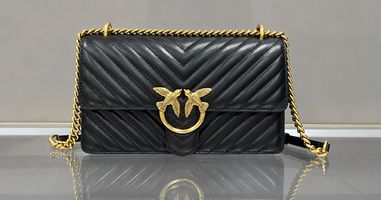

The construction also influences how the handbag feels visually. Defined edges create clarity, while curved details prevent the overall impression from becoming too strict.


Strong edges can create a sharper impression, while softer curves introduce a more approachable character. This contrast allows the Arlettis style to maintain both structure and elegance.


The result is a handbag that feels elegant through careful decisions rather than excessive decoration.


7. A Style Created for Different Wardrobe Choices


A handbag’s styling potential depends on how easily it works with different clothing directions. Structured designs often create stronger visual lines, making them suitable for outfits that benefit from a defined accessory.


The proportions and details of a Coccinelle Arlettis women's bag allow it to adapt to different personal styles. It can complement polished outfits while also working with more relaxed combinations.


The silhouette provides a clear accessory focus without overwhelming the overall look. This makes the design suitable for customers who prefer a refined handbag that still feels practical.


8. Why Proportion Matters in a Compact Handbag


Compact handbags require careful proportion because every element becomes more visible. The relationship between the handle, flap, and body determines whether the design feels balanced.


The Arlettis silhouette maintains a neat profile by keeping each section visually connected. The handle adds height, the flap creates front definition, and the body provides structure.


These elements need to support each other to create a harmonious appearance. When proportions are carefully managed, a compact handbag can maintain presence without appearing heavy.


This construction helps the Arlettis line maintain a clear visual identity while staying easy to coordinate with different outfits.


9. How the Design Maintains Its Identity


The appeal of Coccinelle Arlettis bag comes from the connection between recognizable details and practical construction.


The curved flap, front closure, and handle structure create a consistent visual language. Each element contributes to the overall impression without making the handbag feel overly complicated.


A strong design identity often comes from details that remain clear over time. The Arlettis line demonstrates this through structure, proportion, and everyday usability.


The design remains recognizable because each feature has a clear purpose within the overall silhouette.


10. Choosing a Structured Handbag for Different Occasions


Different occasions can require different styling approaches. A handbag with a defined silhouette can create a polished appearance while still fitting naturally into everyday wardrobes.


The Arlettis design offers flexibility through its carrying options and balanced construction. It can support professional outfits, casual combinations, and more refined looks.


The handle creates a more classic impression, while the compact body keeps the style suitable for regular use. This balance allows the handbag to move between different settings without losing its character.


A structured handbag can also change the feeling of an outfit. With tailored clothing, it reinforces a polished direction, while with casual pieces, it introduces a more intentional accessory choice.


11. Structure and Function Working Together


A handbag gains recognition when functional details and visual elements form a consistent identity.


The Arlettis line shows how a handle, flap, and body can create a recognizable style without unnecessary complexity. Its design approach focuses on clear proportions and thoughtful construction.


For those interested in a structured handbag with refined details, the Arlettis collection demonstrates how careful design choices can influence both appearance and everyday use.

<p>Coccinelle Arlettis Bag: What Makes This Style Stand Out?</p><p>Coccinelle Arlettis Bag: What Makes This Style Stand Out?</p>

Coccinelle Arlettis Bag: What Makes This Style Stand Out?

A handbag becomes memorable when its shape, details, and practical function work together. Coccinelle bag collections often focus on this relationship, combining thoughtful construction with silhouettes that remain easy to style. The Arlettis line reflects this approach through its curved flap, recognizable closure, and carefully shaped body.


Rather than depending on excessive decoration, the collection creates recognition through proportion, material, and placement of key details. The result is a handbag style that feels polished while remaining adaptable to different outfits, occasions, and personal preferences.


1. The First Impression Comes From the Silhouette


The Arlettis collection is built around a clear outline. The curved flap creates a soft contrast against the shaped body, giving the handbag a distinctive appearance from the front view.


The construction allows the handbag to keep a clear outline from different viewpoints. It adds definition to casual combinations while complementing tailored clothing with a more polished finish.


A defined silhouette also changes how an accessory interacts with clothing. The handbag can introduce stronger lines to relaxed outfits while maintaining harmony with more formal pieces.


The overall impression comes from how each component contributes to the final silhouette.


That controlled profile also supports everyday carry, especially when compact proportions and practical use need to work together.


2. The Details Behind the Arlettis Design


The Arlettis line gains recognition through the connection between the flap construction, closure detail, and leather surface. Each element contributes to the appearance without overwhelming the overall silhouette.


These carefully arranged details help define the character of Coccinelle Arlettis bag. The front closure creates a recognizable focal point, while the leather surface remains clean and allows the structure to stand out.


The flap also influences the visual rhythm of the handbag. Its curved shape softens the main body and creates a more distinctive outline compared with simpler rectangular silhouettes.


Another important feature is the connection between the upper section, main compartment, and handle area. These parts create a unified appearance rather than feeling like separate elements.


This combination gives the Arlettis line a recognizable style while keeping the handbag adaptable to different wardrobes.


3. How Structure Influences Daily Use


A handbag with defined construction offers a different experience from softer silhouettes because its shape remains more consistent during use.


The Arlettis construction maintains a clear visual form, making it easier to coordinate with different clothing styles. The edges and body shape create a neat appearance while the curved elements prevent the handbag from feeling too strict.


The relationship between firmness and softness also affects where the handbag fits best. It can complement professional clothing while still working with more relaxed daily combinations.


This balance between clarity and comfort contributes to the overall appeal of the style.


4. Styling Possibilities for Different Occasions


A handbag gains practical value when it fits smoothly into different moments of the day. A structured silhouette can work with casual outfits, office combinations, and more polished styling choices.


For those exploring the Arlettis collection, the coccinelle bag selection highlights how this handle style combines elegant details with practical carrying options.


The handle creates a classic visual impression and gives the handbag a sophisticated presence when carried by hand. Additional carrying methods can provide more flexibility depending on styling preferences.


The shape also allows the handbag to transition between different outfit directions. It can support minimal looks through its clean construction or add definition to softer clothing choices.


5. The Role of the Handle in the Overall Design


The handle is an important part of the Arlettis visual identity. A carefully designed handle does more than provide a carrying option; it influences the balance of the entire silhouette.


A top handle creates a more traditional handbag feeling and emphasizes the craftsmanship behind the collection. At the same time, the proportions prevent the style from appearing overly formal.


The connection between the handle and the main body creates a smoother visual flow. This helps the handbag maintain a unified appearance from different angles.


For many customers, the combination of elegance and usability is one of the strongest aspects of this type of handbag.


6. How Proportions Influence the Overall Look


Width, height, and depth all influence how naturally a handbag fits different styling needs. These elements affect both visual impression and practical use.


These considerations are especially noticeable in Coccinelle Arlettis bag, where the compact silhouette maintains visual presence while preserving a clean outline.


The Arlettis shape avoids looking too small visually while maintaining a refined appearance. Proportion also affects how the handbag works with different clothing silhouettes.


The collection can complement dresses, knitwear, jackets, and relaxed layers without creating visual imbalance.


The relationship between the flap, body, and handle creates a coordinated appearance. Each section supports the overall form rather than competing for attention.


This careful approach helps the collection remain recognizable across different finishes and variations.


7. Leather Finish and Visual Character


Material plays a major role in how a handbag communicates its style. Smooth leather emphasizes the outline, allowing the construction and shape to become the main visual focus.


Different finishes can slightly change the mood of the handbag. A cleaner surface creates a more refined impression, while subtle texture introduces additional depth.


Because the Arlettis relies on shape and construction, the material quality becomes an important part of its overall expression.


The result is a handbag that feels sophisticated without requiring excessive decorative elements.


8. A Style That Fits Different Wardrobes


A handbag with recognizable details can adapt to different wardrobe directions and styling preferences.


As a coccinelle handbag, the Arlettis line connects these details with practical use. The shaped body allows it to complement professional clothing through its clean appearance, while the curved elements make it suitable for more relaxed styling.


The design approach focuses on lasting usability rather than a single seasonal impression. This makes it easier to incorporate into different occasions and personal styles.


The combination of clear construction, considered details, and flexible styling creates a handbag that remains easy to coordinate.


9. Carrying Experience and Everyday Flexibility


A handbag’s value is influenced by how naturally it fits into daily routines. Carrying options, access, and visual balance all affect the overall experience.


The Arlettis collection creates different impressions depending on how it is carried. Hand carrying highlights the shape, while other methods can create a more relaxed feeling.


This flexibility allows the handbag to move between different environments while maintaining its recognizable character.


The handle structure also influences how the handbag feels during movement, connecting practical carrying with the overall visual balance.


10. Matching the Handbag With Outfit Proportions


Accessories can influence the balance of an entire outfit. Handbags with clear outlines often work well with clothing that benefits from stronger visual lines.


The Arlettis profile creates contrast with softer fabrics while maintaining harmony with more tailored pieces. Its proportions allow it to support the outfit rather than dominate it.


This makes the collection suitable for those who prefer accessories with noticeable presence but a controlled appearance.


11. Why This Design Remains Recognizable


Practical features and visual details often determine why certain handbag designs remain recognizable over time.


This is also what defines coccinelle bag designs, where construction, proportion, and details create a clear identity. The Arlettis line demonstrates this approach through its shaped body, recognizable closure, and adaptable styling possibilities.


The Arlettis approach does not depend only on decorative elements. Instead, it creates identity through construction, proportion, and the connection between different components.


A handbag with these qualities can remain relevant because it continues to serve everyday needs while maintaining a clear visual character.


For those looking for an accessory that combines elegance and practical function, the Arlettis line shows how thoughtful construction can create a lasting impression.


12. Final Considerations Before Choosing This Style


Choosing a handbag often involves considering silhouette, carrying preference, material appearance, and wardrobe compatibility.


The way it shifts between workwear, casual outfits, and different settings also affects how useful the style feels over time.


The Arlettis collection brings these factors together through a recognizable shape and flexible styling potential. Its combination of refined details and practical construction makes it suitable for different daily situations.


A well-considered handbag does not need excessive decoration to stand out. Strong proportions and carefully selected details can create a style that remains easy to appreciate over time.

Roger Vivier Efflorescence Mary Janes: How Light and Texture Change the LookRoger Vivier Efflorescence Mary Janes: How Light and Texture Change the Look
Roger Vivier Efflorescence Mary Janes: How Light and Texture Change the Look

Roger Vivier Efflorescence Mary Janes do not present their decoration in exactly the same way under every condition. Bright light can sharpen individual details, softer light can merge them into a broader accent, and surrounding fabrics can either separate the front treatment or make it feel more integrated.


That means the shoe may appear highly detailed at close range yet more controlled within a complete outfit. Light, surface finish, viewing distance, and nearby texture all influence which part receives attention first.


1. Detail Changes Before the Silhouette Does


The outline of a shoe can remain almost unchanged while its surface character shifts considerably.


Under stronger illumination, reflective elements near the front separate more clearly. Smaller variations in texture become easier to notice, making the decorated area appear more intricate.


Softer lighting reduces some of that separation. Individual details begin to merge into a single focal area rather than several small elements.


This helps explain why the same pair may seem elaborate in close photography yet calmer across a room. The silhouette stays recognizable while the amount of readable detail changes.


2. Direct Light Pulls Attention Toward the Front


Directional light tends to create stronger highlights on raised or reflective surfaces.

A smooth leather upper may remain relatively even, while decoration near the toe reacts more noticeably as the angle changes.


That difference becomes particularly clear across Roger Vivier Mary Jane shoes, where the front can carry more surface variation than the surrounding upper.


Brighter conditions therefore do more than make the shoe easier to see. They can shift attention toward smaller highlights before the broader construction registers.


3. Softer Light Creates a More Unified Front


Diffuse light reduces hard reflections and makes changes in finish less abrupt.


Decoration remains visible, but individual elements tend to combine into a broader area of texture. The front can therefore feel calmer even though none of its features have changed.


This works particularly well beside fabrics that already carry noticeable texture. A brushed knit, fine wool, or softly finished skirt can sit nearby without creating several sharp points of brightness.


Under those conditions, form and material carry more of the impression than isolated reflections.


4. Matte Fabrics Can Increase Separation


A matte garment absorbs more light than a reflective one.


Placed near decorated footwear, that difference can make the shoe's front treatment appear sharper because the surrounding fabric produces fewer competing highlights.


Dense wool is one example. Its surface stays relatively quiet even when the weave itself has texture.


Cotton twill or matte crepe can produce a similar effect. The contrast comes from finish rather than from using completely plain fabric.


5. Reflective Clothing Creates a Different Kind of Competition


Satin, coated fabrics, metallic threads, or polished accessories can introduce additional points of light.


If several reflective surfaces occupy the same part of an outfit, the eye has more than one highlight to follow.


That changes the role of Roger Vivier Mary Janes. Instead of acting as the only concentrated source of detail near the lower silhouette, the shoe becomes part of a broader reflective composition.


This can still work when the finishes differ in scale. A broad satin surface behaves differently from smaller accents near the toe.


The main risk comes when several similarly sized details compete within the same narrow area.


6. Side Lighting Reveals Depth That Front Lighting Can Flatten


Light arriving from the side can make raised decoration easier to separate from the surface beneath it.


Small edges cast subtle shadows, and differences in height become more noticeable. Front-facing light tends to reduce those shadows and can make several layers appear flatter.


That means the same front treatment may look more sculptural near a window or directional lamp than under evenly distributed illumination.


The change is especially noticeable when decoration includes several levels rather than one flat surface treatment.


This is not about making the shoe brighter overall. It is about revealing depth through contrast between highlight and shadow.


7. Fabric Grain Can Compete With Ornament Scale


Texture close to the shoe is not defined only by how rough or smooth a fabric feels. The size of its visible grain also matters.


A fine weave creates many small surface changes but may still read as relatively quiet from normal distance. A larger boucle, raised knit, or pronounced pattern produces bigger visual units.


That distinction matters beside Roger Vivier Efflorescence shoes, where the front treatment already contains concentrated smaller-scale detail.


Large textile texture can create a strong contrast in scale. Fine texture can blend more easily into the surrounding material field.


The choice therefore depends on whether the shoe should stand against a clearly different surface or sit within a more closely related texture.


8. Small Highlights React Differently Against Dark and Light Surfaces


A reflective detail against a darker, low-reflection background can appear stronger because the surrounding area offers little competing brightness.


Lighter fabrics reduce that difference. The ornament remains present but can feel less isolated because the clothing already reflects more light.


The same principle applies to exposed skin and hosiery around the shoe. Each changes the brightness surrounding the front treatment.


This effect may be subtle indoors and stronger near windows or directional lighting.


The result depends on the relationship between surfaces rather than color alone.


9. Distance Simplifies the Decoration


Fine detail gradually becomes less distinct as viewing distance increases.


Up close, separate elements around the front may register individually. At a normal conversational distance, they form one broader accent.


That shift suits Roger Vivier Efflorescence Mary Janes because the design does not rely on every small detail remaining individually readable.


Farther away, placement and overall proportion matter more than tiny surface differences.


This is why a detailed close-up should not be treated as the only indication of how the pair will appear within a complete outfit.


10. Detail Density Can Change the Lower Silhouette


The lower part of an outfit can carry either one concentrated source of detail or several smaller ones.


A decorated shoe beneath plain fabric creates a clear focal area. Patterned hosiery, a complex hem, textured fabric, and reflective accessories can spread that density across a wider zone.


The result is not necessarily busier in every case. What matters is whether the details merge into one continuous field or remain separated enough to read individually.


A cleaner area directly above the foot gives the shoe more definition. A denser lower section makes it part of a broader textural composition.


This offers a different choice from simply reducing accessories: the wearer can control how much of the lower silhouette carries detail at once.


11. Lighting Changes as the Wearer Moves


A static image captures only one lighting condition.


During actual wear, the angle between shoe, light source, and viewer changes constantly. A surface that looks subdued from one direction may catch a highlight a moment later.


Walking past a window, entering softer indoor light, or moving beneath overhead lighting can all alter the front treatment subtly.


The silhouette remains stable while the surface presence changes.


That variation is worth considering when choosing nearby fabrics, since a material that appears quiet under one light may become more reflective elsewhere.


12. Let Material and Light Set the Level of Detail


A controlled outfit can allow the decorated front to become the strongest surface feature. Richer clothing can place the shoe in a more layered setting where several textures share attention.


Neither direction changes the underlying design.


Roger Vivier Mary Janes can therefore appear cleaner, brighter, softer, or more intricate according to the materials and lighting around them.


The useful decision is how much detail the complete outfit should present at normal viewing distance.


Once that is clear, matte or reflective fabrics, concentrated texture, and nearby finishes become easier to coordinate.


The front treatment then works as part of the total material balance rather than as an isolated decorative element.

Alaïa Le Cœur Slingback Pumps: How Do They Look From Different Angles?Alaïa Le Cœur Slingback Pumps: How Do They Look From Different Angles?
Alaïa Le Cœur Slingback Pumps: How Do They Look From Different Angles?

Alaïa Le Cœur slingback pumps do not present the same way from every viewpoint. Straight ahead, the pointed front and heart detail carry most of the attention. From the side, the open heel and slim strap become more important, while movement changes how these elements connect.


Walking, standing, turning, and sitting each reveal a different part of the construction. Looking at those shifts helps explain why the pair can feel sharper from one direction and lighter from another.


1. The Front View Concentrates Attention Near the Toe


Seen straight ahead, most of the visual information sits near the front.


The pointed toe creates a clear directional line, while the heart element interrupts that streamlined outline with a recognizable detail.


Because the rear construction is mostly hidden from this position, the shoe can initially appear closer to a conventional pointed pump than it does from the side.


That changes once the viewing angle moves away from the front.


2. A Three-Quarter View Shows More of the Construction


Turning slightly reveals details that disappear in a direct front view.


The toe still leads the silhouette, but part of the slingback opening becomes visible behind it. This creates a clearer relationship between the defined front and lighter rear.


A three-quarter angle also shows how the heart motif sits within the upper rather than appearing as an isolated ornament.

This is often where the shoe's front and rear features become easiest to read together.


3. Side Views Make the Open Heel More Important


From the side, the heart detail no longer dominates the entire impression.


The gap behind the foot becomes much more noticeable, and the strap forms a narrow connection around the rear. That gives Alaia Le Coeur shoes a lighter profile than the front view suggests.


The pointed toe still extends the line forward, but the exposed heel prevents the silhouette from feeling continuous or enclosed.


The result is a defined front paired with a more open back.


4. The Rear View Reduces the Presence of the Heart Detail


From behind, the main decorative element nearly disappears.


Attention shifts toward the heel, strap placement, and open space around the back of the foot.


This shows how little the design depends on repeating ornament around the entire shoe. The rear remains comparatively restrained.


As a result, the pair can look much quieter from behind than from the front.


5. Turning the Foot Changes the Balance


Small changes in foot position can alter which feature appears strongest.


A foot angled outward exposes more of the side and rear opening. Turned slightly inward, the pointed front and upper return to prominence.


This gives Alaïa Le Cœur pumps a more changeable silhouette than footwear where all major details sit on one flat surface.


Even a subtle shift in stance can change how much of the slingback construction remains visible.


6. Walking Creates a Front-to-Rear Sequence


Movement introduces a pattern that does not exist in a static pose.


As the foot moves forward, the pointed toe and front detail appear first. The side opening follows, then the strap and heel become easier to see as the leg passes.


Each step therefore reveals the design in stages.


That sequence gives the shoe more dimensional interest than a single static view can show.


7. Standing Still Makes Proportion Easier to Read


When the wearer is stationary, the relationship between each section becomes clearer.


The pointed front establishes length, while the open back reduces the amount of material visible around the foot.


A straight stance gives the most balanced reading of those proportions.


Shifting weight onto one leg can reveal slightly more of the strap and side opening, changing the profile without altering the overall stance.


8. A Lower Viewing Angle Changes the Emphasis


Viewing the shoe from a lower position changes which parts appear closest and most prominent.


The front surface, toe line, and heart detail can occupy more of the visual field, while the rear opening becomes easier to inspect because the eye is closer to the level of the shoe.


Seen this way, Alaïa Le Cœur shoes reveal more of the relationship between the upper, strap, and heel opening than they do from a typical standing eye level.


The pointed front may appear longer, while the open rear creates stronger separation around the heel.


This angle is useful because it changes the perceived proportions without relying on clothing length or movement.


9. Crossing the Legs Changes the Dominant Angle


Crossing one leg over the other turns the shoe away from a straight front presentation.


The side profile becomes more visible, particularly the strap and heel opening.


Depending on the direction of the crossed leg, the heart detail may remain fully visible or appear only in part.


The pointed toe still keeps the overall line defined even when the front no longer faces directly forward.


10. Distance Changes Which Detail Registers First


From farther away, the overall outline matters more than small decorative details.


The pointed toe and open rear are easier to notice before the heart motif becomes clear. As the viewer moves closer, Alaia slingback pumps reveal more of their front detail and surface finish.


At a distance, proportion carries the design; closer up, the heart element becomes the stronger identifying feature.


This allows the pair to remain distinctive at more than one viewing distance.


11. Lighting Can Shift Attention Between Surface and Shape


Light changes what becomes noticeable first.


Direct light can emphasize glossy surfaces and make the heart detail stand out more clearly. Softer lighting reduces reflection and places more emphasis on the silhouette.


Side lighting can define the open heel more strongly by increasing contrast around the gap behind the foot.


The same shoe can therefore appear more decorative or more structural depending on the lighting.


12. Photos and Real Movement Do Not Show the Same Shoe


A product photo usually captures one carefully selected angle.


Real wear is less fixed. The foot turns, the ankle bends, and the shoe appears differently from moment to moment.


A straight image may emphasize the heart motif, while movement gives the strap and heel opening much more presence.


Seeing the pair from several directions therefore gives a fuller picture than relying on one static view.


13. The Design Changes Without Losing Its Identity


The strongest feature of this pair is not that every angle looks the same.


From the front, the pointed toe and heart element lead. From the side, the open heel becomes more important. From behind, the shoe appears quieter.


That changeability gives Alaïa Le Cœur slingback shoes a more dimensional character than footwear defined by one flat decorative surface.


Movement shifts attention from one section to another, yet the key elements remain connected.


The pointed front, heart motif, slingback strap, and open heel continue to identify the pair even when their visual importance changes.

Who Is the pinko Love Bag Best Suited For?Who Is the pinko Love Bag Best Suited For?
Who Is the pinko Love Bag Best Suited For?

Pinko love bag is best suited to someone who wants a structured black chain bag, carries a controlled amount each day and likes visible design details rather than an understated exterior. Chevron quilting, Love Birds hardware and shoulder-to-crossbody carry make it relevant for buyers who value definition, versatility and recognizable styling.


It is less convincing for someone who needs flexible storage, dislikes prominent metal hardware or prefers a soft body that adapts freely around its contents.


The decision therefore goes beyond appearance. Carrying habits, clothing and preferred strap position all affect whether this design remains useful after the initial appeal.


1. The Profile Stays Defined Even When Carry Changes


One useful test is whether you actually want the bag to keep a similar outline when it is lightly packed, set down or moved against the body.


This construction holds its flap, base and side profile more consistently than a soft style. That gives the bag a predictable appearance instead of letting the contents determine most of the silhouette.


Someone who expects leather to fold, soften visibly or collapse around a light load may prefer a different construction. Here, maintaining definition is part of the point.


2. Capacity Should Match What You Refuse to Leave Behind


A better buying test than maximum capacity is to identify the few items that cannot be removed from your normal carry.


If those essentials fit comfortably, pinko bag proportions can make sense for regular use. If two or three common items would repeatedly need to be left behind, rearranged or exchanged for smaller versions, the format is probably too restrictive for that routine.


This makes the decision easier before purchase because it sets a practical boundary instead of relying on theoretical storage.


Buyers whose required carry changes substantially from one day to another may be better served by a body with more adaptable room.


3. Visible Hardware Should Feel Like a Benefit


Love Birds hardware occupies a clear position on the front and remains noticeable against black leather.


That suits someone who wants metal details to contribute to the overall look. Jewelry can stay restrained because the clasp and chain already provide enough reflection.


Anyone who prefers quiet closures, tonal hardware or nearly unmarked surfaces may find the front more expressive than desired.


4. Black Still Carries Noticeable Surface Detail


Choosing black does not necessarily mean choosing a plain bag. Chevron quilting gives the leather movement while the color remains neutral.


That works well in wardrobes built around solid shades because texture adds interest without introducing another strong color.


Against monochrome clothing, pinko love bag detailing becomes clearer as stitching and metal react differently to light.


Someone choosing black mainly because they want the bag to recede into an outfit may prefer a smoother, quieter design.


5. Chain Comfort Depends on What It Regularly Touches


A metal chain does more than change the appearance of the bag. Its daily feel can also depend on the materials it rests against.


Smooth coats, compact knits and clean woven fabrics usually give the strap an uncomplicated surface. Looped yarns, pronounced texture or densely embellished shoulders can create more friction or make the chain feel visually crowded.


Someone whose wardrobe is dominated by heavily textured upper layers may want to consider that interaction before treating the chain as an automatic advantage.


6. Crossbody Use Should Be Part of the Plan


Shoulder carry keeps the body easy to move forward and gives the bag a cleaner side position.


For buyers who expect hands-free wear several times a week, pinko crossbody bag functionality becomes part of the purchase decision rather than an occasional extra.


That can matter during shopping, walking between appointments or other days when both hands need to stay available.


The chain crosses the front of clothing, so large buttons, strong lapels or textured panels deserve attention.


Someone who rarely likes straps running across an outfit may use only part of what the design offers. A regular crossbody wearer is more likely to benefit from the full carrying range.


7. It Offers Recognition Without Depending on Bright Color


Some buyers want a bag that is clearly styled but do not want recognition to come from a vivid shade or a large printed surface.


Chevron quilting, chain hardware and the centered clasp create that distinction within a black palette.


That makes the design particularly relevant for someone who wants visible character while keeping the color itself easy to integrate into existing clothing.


8. Chevron Appeal Should Last Beyond the First Impression


Directional stitching is one of the main reasons to choose this version. It should be something the buyer expects to enjoy repeatedly rather than a detail that only looks interesting at first.


For someone drawn to textured black leather, pinko love bag one chevron keeps enough variation across the front to remain distinctive as surrounding clothing changes.


Lighting also changes how strongly the angled sections appear.


A buyer who consistently prefers smooth leather may eventually find the quilting more prominent than expected. Someone already drawn to geometric stitching is more likely to view it as a lasting strength.


9. Mixed-Day Schedules Make Better Use of Its Range


This design becomes more useful when one day moves through several settings without requiring a completely different bag.


The structured black body can work beside tailoring, denim or cleaner evening clothing, while shoulder and crossbody carry change how it sits within each setting.


Someone regularly moving between errands, appointments and social plans is likely to use that flexibility more than someone buying for one narrow occasion.


10. The Purchase Comes Down to One Clear Trade-Off


The main exchange is straightforward: more definition, visible Chevron texture and recognizable hardware come with less storage flexibility and a less understated appearance.


That is the central appeal of pinko bag design here. The buyer gets a profile that stays controlled and visually distinct rather than a body designed to absorb changing loads quietly.


For someone who values structure and surface detail, that exchange can be worthwhile.


For someone whose priority is expansion, softness or nearly invisible hardware, the same qualities can become disadvantages.


The decision is therefore less about whether the bag is generally practical and more about whether its strengths are the exact strengths the buyer wants to live with regularly.

Is the Furla 1927 Mini Bag Too Small for Everyday Use?Is the Furla 1927 Mini Bag Too Small for Everyday Use?
Is the Furla 1927 Mini Bag Too Small for Everyday Use?

The furla 1927 mini bag is not necessarily too small for everyday use, but it works best with a consistent, compact carry routine. Its structured body, divided storage and multiple carrying options suit lighter daily loads better than days that require bulky cases or frequent additions.


Size becomes a problem mainly when the bag is expected to behave like a larger everyday style.


1. Mini Size Matters Most When the Daily Load Changes


A compact bag can feel easy to use when the same small group of belongings comes along each day.


The experience changes when the load is unpredictable. Adding a charger, larger case or small purchase can quickly remove the spare room that kept the interior comfortable.


Daily consistency therefore matters almost as much as physical capacity.


2. Structure Reduces How Much the Body Can Adapt


Soft bags can sometimes absorb an irregular object by changing externally. A structured body has less freedom to do that.


That difference gives furla bag proportions a cleaner appearance, but it also means belongings need to fit within the existing outline rather than rely on the sides stretching around them.


For someone who prefers a defined silhouette, this can be a strength. For someone who regularly depends on extra give, it may feel restrictive.


3. Spare Room Has Practical Value


Unused interior space is not automatically wasted.


A little room makes it easier to reach a pocket, remove one item without disturbing another and close the bag comfortably.


A mini bag can technically hold everything yet still feel awkward if every piece has only one exact position.


4. Small Items Need Their Own Zones


The main compartment becomes less efficient when tiny belongings are mixed among larger pieces.


Using the interior pockets for smaller objects keeps the center available for items that genuinely need depth. In a compact format, that separation can be more useful than filling every corner.


5. The Right Mini Format Depends on

What You Refuse to Leave Behind


Before deciding whether a furla mini bag is large enough, identify the items that are genuinely non-negotiable.


Someone carrying a compact wallet, one main device and a few slim personal pieces has a very different load from someone who also needs a large glasses case, power bank or cosmetic pouch.


The important question is whether those required pieces fit while leaving enough room for normal access.


If the essentials already occupy nearly every available section, the mini format may feel restrictive before anything unexpected is added.


6. A Compact Bag Can Still Work for a Full Day


Small size does not automatically limit the bag to short outings.


If the contents stay stable from morning to evening, the compact format can remain practical for many hours. Problems usually begin when the bag needs to absorb extra items later in the day.


7. Carrying Flexibility Helps Without Changing Capacity


The removable strap can make a small bag easier to use for longer periods.


Hand carry suits quieter moments, shoulder wear keeps access simple, and crossbody placement offers more stability during walking.


Those options improve comfort, but they do not create additional interior room.


8. The 1927 Format Rewards Deliberate Packing


Some people carry only what they expect to use.


Others prefer bringing extras for situations that may never happen.


The first routine aligns more naturally with furla 1927 bag capacity because the structured interior rewards selective packing.


The second places more pressure on spare space. Extra cases, duplicate items or backup accessories can turn a comfortable setup into a tightly packed one.


Packing habits therefore matter almost as much as dimensions.


9. Comfort After Several Hours Matters More Than the First Impression


A mini bag may feel perfectly manageable at the beginning of the day, yet repeated opening, repositioning and carrying can reveal whether the format truly suits the routine.


If the same contents remain easy to reach and the bag still feels uncomplicated after several hours, the smaller size is doing its job.


Frequent rearranging, constant strap adjustments or the need to remove items before reaching others can make a compact format feel more demanding over time.


Everyday suitability is therefore partly about how little attention the bag requires once the day is underway.


10. Smaller Proportions Bring Benefits Outside Storage


Compact dimensions can make the bag easier to manage in restaurants, cars, crowded spaces or other settings where a larger body occupies more room.


They also reduce visual bulk beside clothing that already has volume. For someone who values a smaller object to handle throughout the day, that benefit can outweigh having less spare storage.


11. The Best Match Is a Routine Built Around Essentials


Daily use works best when compact size is part of the reason for choosing the bag rather than something the wearer hopes to work around later.


A consistent set of belongings, limited need for backup items and preference for structured proportions all support furla 1927 as an everyday option.


Someone who regularly carries extras may prefer more room, while a lighter routine can benefit from the defined construction and reduced bulk.


The deciding factor is whether the available space matches the routine without constant compromise.

How Do Alaïa Shearling Ballet Flats Fit Into a Fall and Winter Wardrobe?How Do Alaïa Shearling Ballet Flats Fit Into a Fall and Winter Wardrobe?
How Do Alaïa Shearling Ballet Flats Fit Into a Fall and Winter Wardrobe?

Alaïa shearling ballet flats bring a softer, more seasonal direction to a low-profile shoe. Black suede, pale shearling trim, a rounded front, and metallic fastening keep the base compact while adding enough texture for autumn and winter clothing.


Instead of functioning like an airy ballerina, the pair can connect knitwear, wool trousers, denim, tights, and outerwear near the ground. The main question is how those materials interact once the rest of the wardrobe becomes heavier.


1. They Work Well During the Shift Into Cooler Weather


Early autumn can be awkward for footwear. Boots may feel too heavy, while very thin summer flats can look disconnected from jackets and denser fabrics.


This pair sits comfortably between those two points. The low sole keeps the look light, but the shearling adds enough seasonal character to work beside knits, denim, and lightweight outerwear.


That makes it particularly useful during the weeks when temperatures have dropped but full winter footwear still feels unnecessary.


2. Early Autumn Needs Less Layering


The shoe does not require a full winter outfit.


Straight denim, a fine knit, and a lightweight jacket already provide enough substance. Leaving some space around the ankle also prevents the lower half from feeling too heavy.


A skirt can create a similar effect if the rest of the outfit stays restrained.


The shearling already signals the seasonal shift, so every other piece does not need to repeat it.


3. Mary Jane Structure Helps Under Heavier Clothing


As outerwear becomes larger, very delicate footwear can lose definition beneath the volume above it.


The metallic strap creates a distinct line across Alaïa Mary Jane flats, separating the dark suede body from the softer border.

That becomes useful beside long coats or wider trousers.


The rounded front keeps the result softer rather than severe, so the extra definition still works beside knitwear and brushed fabrics.


4. Denim Is One of the Easiest Partners


Washed black denim keeps the lower half tonal while allowing the pale trim to stand out.


Indigo introduces more contrast but still carries enough visual weight for suede and shearling. A straight leg usually frames the shoe more cleanly than fabric that collapses around the opening.


Cream or ecru denim changes the balance again. The lighter trim can connect to the trousers while the black upper anchors the outfit.


That works particularly well in early autumn when an all-dark palette feels too heavy.


5. Wool Trousers Need the Right Finish


Smooth suiting creates a sharper contrast against the fuzzy border, while brushed wool produces a softer transition.


Cut matters too. Straight or slightly wide legs usually leave enough room around the opening, whereas excess fabric gathering at the ankle can cover part of the trim.


The aim is not to expose the entire shoe. It is simply to keep its most distinctive edge from disappearing under fabric.


6. Different Winter Fabrics Change the Effect


Cold-weather fabrics do not all interact with the shoe in the same way.


Smooth wool creates a clean contrast against Alaïa shearling flats, making the trim appear softer by comparison. Brushed wool produces a quieter transition because both surfaces already carry visible texture.


Denim introduces a firmer, more casual surface, while leather creates the strongest contrast between sleek and plush finishes.


These differences can be more useful than trying to repeat shearling elsewhere in the outfit.


7. Tights Shift the Pair Toward Winter


Opaque black tights create a continuous dark line from leg to suede upper, letting the pale border and metallic strap stand out.


Charcoal produces a softer transition beside grey wool, muted brown, or navy.

Cream tights connect more closely to the trim instead of the dark body of the shoe.


Patterned tights need more restraint elsewhere because the footwear already contains several visible elements.


8. Weather Can Change When the Pair Makes Sense


The combination of suede and exposed shearling suits dry, cool days particularly well.


In mild autumn weather, the shoe can work as an alternative to boots when heavier footwear feels unnecessary. Cold but dry winter days can suit it too, especially with tights or warmer trousers.


Rain, slush, or wet pavement changes the equation. Those conditions make Alaïa shearling ballet flats less convenient than footwear made from smoother, more weather-tolerant materials.


That practical boundary matters because the pair is seasonal, but not necessarily suited to every kind of winter day.


9. Knitwear Does Not Need to Match the Trim


Cream knitwear is an obvious option, but exact color matching is unnecessary.


Oatmeal, camel, charcoal, dark green, navy, and muted burgundy can all support the shoe without looking overly coordinated.


Texture matters more than exact shade.


A fine-gauge knit keeps the footwear as the main tactile element, while a chunkier sweater spreads that softness more evenly through the outfit.


10. Suede Works Well With Muted Winter Color


Black footwear can appear stark beside softer winter palettes, but suede reduces that effect because it reflects less light.


That allows Alaïa suede Mary Jane flats to sit beside chocolate brown, stone, olive, charcoal, burgundy, and cream without requiring another black piece.


The pale border softens the transition further.


A dark coat is therefore optional. The shoe can anchor a lighter outfit by itself if the surrounding colors stay subdued.


11. Outerwear Changes the Balance Below


A cropped jacket keeps more emphasis around the waist, so the footwear can remain understated.


A long coat creates more mass above the shoe. In that setting, the fuller opening and metallic strap help the pair retain definition near the ground.


A teddy or heavily textured coat already brings plenty of softness, so simpler trousers usually work better.


A clean wool coat does the opposite, leaving more room for the footwear to supply the tactile contrast.


12. It Fills the Space Between Flats and Boots


This pair is useful on days when a conventional ballet flat feels too light but boots feel unnecessary.


The low sole keeps movement easy and the overall profile compact, while Alaïa shearling Mary Jane flats bring enough texture to sit comfortably beside denser seasonal clothing.


That gives the shoe a clear place in a cold-weather rotation rather than forcing it to replace either summer flats or winter boots.


Its strongest use case is the middle ground: cooler days, layered clothing, and outfits that need more texture near the foot without moving into heavier footwear.

<p>What Should You Know Before Choosing Alaïa Shearling Mary Jane Flats?</p><p>What Should You Know Before Choosing Alaïa Shearling Mary Jane Flats?</p>

What Should You Know Before Choosing Alaïa Shearling Mary Jane Flats?

Alaïa Mary Jane flats suit people looking for a low shoe that feels more substantial than a conventional ballerina. Suede, shearling trim, a rounded toe, and a metallic strap give this pair a clear cooler-weather character without making the profile heavy.


The main distinction is texture. Soft trim frames the foot while the strap introduces a sharper metallic element, changing how the shoe sits beside trousers, knitwear, socks, and outerwear.


Before choosing the pair, it helps to consider whether that seasonal character fits the way you normally dress.


1. Start With the Overall Profile


The sole stays thin, the heel remains low, and the rounded front keeps the base compact.


Shearling adds volume higher up, so the shoe feels fuller around the opening without becoming bulky underneath.


That contrast between a light base and a softer upper gives the design much of its character.


2. Shearling Changes the Outline


The trim creates a soft border around the foot, particularly from above and from a three-quarter angle.


Dark clothing emphasizes the pale edge, while cream, taupe, and muted neutrals reduce that contrast.


This difference becomes especially noticeable on Alaïa shearling ballet flats, where the trim follows most of the opening instead of appearing as a small decorative accent.


Wool, dense knits, and brushed fabrics can echo that softness without needing to match the shoe exactly.


3. The Metallic Strap Provides Contrast


Most of the upper is matte and soft, so the reflective fastening stands out immediately.


It creates a horizontal break over the foot and gives the center of the shoe more definition.


That hardware can also affect accessory choices. If a bag or coat already carries prominent metal, quieter jewelry usually keeps the overall look cleaner.


The same balance can also make the pair easier to use across different everyday settings.


4. Suede Keeps the Finish Controlled


Black suede absorbs light rather than reflecting it strongly. That helps balance the visible strap and fluffy edging.


Denim, wool, brushed cotton, and matte leather sit comfortably beside it. Satin or polished fabrics create a sharper contrast and make the footwear feel more deliberate.


The same shoe can therefore move from casual clothing to cleaner tailoring without losing its basic character.


5. Mary Jane Construction Adds Definition


The strap introduces more structure than an open ballerina.


Beside wide trousers, soft skirts, or substantial knitwear, Alaïa Mary Jane shoes retain a distinct center line across the foot instead of becoming one continuous soft surface.


The rounded front supports that controlled proportion.


Together, these elements keep the design from feeling overly delicate despite the fluffy trim.


6. Pay Attention to What the Hem Does Near the Trim


The most useful trouser question here is not simply length. It is what the fabric does once it reaches the shearling.


A stiff trouser hem can rest cleanly above the opening, while softer fabric may fold into the trim and partially flatten it. Very wide trousers can also brush the edge repeatedly during movement.


This matters because the border is one of the shoe’s strongest features. If a hem continually presses against it, the upper can look less defined.


Leaving a small amount of clearance around the opening usually allows the texture to read more clearly.


7. The Pair Has a Cooler-Weather Character


Suede and shearling immediately shift the design toward autumn and winter.


A wool coat is an obvious partner, but it is not required. Straight denim and a dense knit already provide enough substance around the shoe.


Skirts and opaque tights create another direction. In that setting, Alaïa shearling Mary Jane flats remain clearly defined while the darker leg line connects easily to the suede upper.


Lighter clothing can work too, provided another element supports the shoe’s heavier texture.


For a wardrobe already containing mesh or thin leather ballerinas, this seasonal quality creates a clearer distinction.


8. Socks Can Change the Mood Quickly


Bare ankles keep more of the ballet-flat character.


Thin socks shift the pair toward autumn dressing. Black, cream, charcoal, and muted brown are easy choices because they do not compete heavily with the trim.


Thick ribbing creates more volume around an opening that is already full, producing a noticeably more casual result.


A smoother sock also keeps the metallic strap easier to see.


9. Dark Suede Makes Pairing Easier


The upper does not need exact color repetition elsewhere.


Charcoal trousers, dark brown outerwear, washed black denim, cream knitwear, and subdued neutrals can all sit comfortably beside Alaïa suede Mary Jane flats.


The lighter border breaks up the dark body of the shoe and keeps it from appearing as one solid block.


A bag can therefore pick up either the darker suede or the warmer trim rather than matching the footwear precisely.


10. Give the Opening Enough Space


The area directly above the shoe matters more here than it does on a plain leather flat.


A clean ankle line lets the shearling border remain separate from the clothing above it. When fabric, socks, and trim all meet in the same small area, the construction can start to feel crowded.


Skirts work well when the lower hem leaves a clear gap before the shoe. Trousers can achieve the same result if their cut does not bunch heavily around the ankle.


This small amount of space helps the strap, trim, and suede upper remain distinct instead of merging into one dense area.


How easily that proportion fits into an existing wardrobe also depends on the shoes and silhouettes already worn most often.


11. The Toe Balances the Fuller Opening


The rounded front is important because the upper already carries extra volume around the foot.


A sharper toe would pull attention forward and create stronger tension between the front and the soft border. Here, the curve keeps those proportions closer together.


That balance helps Alaïa Mary Jane flats feel cohesive rather than divided between a plush upper and an unusually elongated base.


The front also remains fairly restrained, leaving the strap and shearling to provide most of the recognizable character.


12. Too Many Textures Can Work Against the Shoe


The footwear already combines suede, shearling, and metal.


Adding highly textured trousers, a fuzzy coat, ornate knitwear, and a decorated bag at the same time can make the outfit feel crowded.


Repeating just one surface elsewhere is usually enough. A suede bag, wool coat, or soft knit can create continuity while the remaining pieces stay simpler.


Denim, wool, tights, and outerwear open up more cooler-weather combinations once the season changes.


13. The Shoe Reads Differently From Each Angle


From the front, the rounded toe and metallic strap dominate first. The shearling appears mainly as a soft border around them.


The side view reveals more of the suede body and shows how much thickness the trim adds above the sole.


From above, the balance shifts again. Shearling becomes far more prominent because it surrounds most of the opening, while the dark suede occupies a smaller visible area.


Movement adds another change: the metallic strap catches light while the trim stays matte. That contrast can make the shoe look more animated while walking than it does in a static product image.


These angle changes are worth considering because the design does not present the same feature as its main focus from every viewpoint.


14. Decide Whether You Want a Seasonal Flat


A thin leather or mesh ballerina can cover a broader part of the year. This pair serves a more specific purpose.


The combination of suede, a compact toe, and metallic hardware already gives the shoe definition. Alaïa shearling ballet flats add a stronger autumn-winter cue around the opening, which suits denim, wool trousers, tights, knitwear, and structured outerwear particularly well.


For someone who already owns simpler flats, this version brings a noticeably different texture rather than repeating the same clean construction.


That distinction is what makes the pair useful as a separate option.

Alaïa Le Cœur Slingback Pumps: How Do Outfit Proportions Change Their Look?Alaïa Le Cœur Slingback Pumps: How Do Outfit Proportions Change Their Look?
Alaïa Le Cœur Slingback Pumps: How Do Outfit Proportions Change Their Look?

Alaïa Le Cœur slingback pumps can look noticeably different depending on how much of the shoe remains visible, where a hem ends, and how closely the clothing frames the ankle. The pointed front and open rear stay the same, but their visual weight shifts as the surrounding proportions change.


That makes this pair especially responsive to trousers, skirts, dresses, and lower-body volume. Rather than treating the shoe as one fixed statement piece, it is more useful to look at how clothing frames the heart detail, toe line, strap, and heel opening.


1. Cropped Trousers Expose the Full Front


A cropped trouser leaves the pointed toe and heart-shaped front element almost fully visible, creating a stronger lower focal area than a longer hem would.


Straight cuts frame the shoe clearly because the trouser opening sits above it with little interruption. A wider crop introduces more fabric around the ankle, placing the front detail against a broader base.


The width of the opening also changes the space around the footwear. A compact cut keeps the toe closely connected to the trouser line, while a wider one creates more separation.


The same shoe can therefore appear sharper beneath a controlled crop or more expressive below a broader silhouette.


2. Ankle-Length Cuts Create a Tighter Frame


A hem ending close to the ankle leaves less empty space between clothing and footwear. This makes the shoe feel more integrated into the lower line.


The open rear remains visible from side angles, while the pointed front carries more attention from straight ahead. That tighter frame can make Alaïa Le Cœur shoes appear sharper without requiring a shorter cut.


Slim ankle openings emphasize the toe line; slightly wider openings soften the transition from fabric to footwear.


The difference comes from the frame around the shoe rather than a change in the shoe itself.


3. Longer Trousers Reduce the Decorative Impact


A full-length trouser can cover much of the upper and leave only the pointed front visible during movement.


This reduces the prominence of the heart element and shifts attention toward the toe. The shoe can read more like a refined pointed pump until the hem lifts enough to expose additional detail.


Walking creates brief changes in visibility, while sitting may reveal a larger section as the fabric rises above the ankle.


Wide-leg trousers increase this effect because the shoe appears and disappears beneath greater fabric volume.


This makes longer trousers useful when the decorative front should feel more restrained.


4. Narrow Skirts Keep the Lower Line Controlled


Straight and pencil-style skirts create a stable vertical outline, allowing the footwear to act as a clear finishing element rather than part of moving fabric.


Under this type of silhouette, Alaia Le Coeur pumps benefit from the contrast between a controlled skirt line and the more expressive heart detail.


A hem ending above the ankle leaves enough room for the pointed front and slingback strap to remain distinct.


Longer narrow skirts reduce how much of the rear construction remains visible and place greater emphasis on the toe.


5. Fuller Skirts Change the Rhythm


More fabric introduces movement around the lower body.


A fuller midi skirt can alternately expose and cover parts of the shoe, making the heart detail less constant while revealing the open heel from changing angles.


Volume matters as much as length. A lightly flared skirt leaves a clearer lower frame, while a fuller construction creates more interruption around the footwear.


The shoe becomes part of the movement rather than a fixed focal element, especially when the hem repeatedly crosses the front and rear sections.


6. The Best Proportion Depends on How Much of the Shoe You Want to Show


The most useful starting point is deciding whether the footwear should be immediately noticeable or appear more gradually.


Shorter or cleaner hems reveal more of the pointed front, strap, and open heel. Longer or fuller clothing reduces that exposure and lets the shoe appear in smaller sections.


For a clear view of the complete construction, Alaia Le Cœur slingback pumps work best when the ankle area is not heavily covered.


More coverage can still work when the heart detail should feel quieter, especially if the rest of the outfit already has a strong lower silhouette.


The choice is mainly about visibility and proportion.


7. Trouser Break Changes What Appears First


Two trousers can reach nearly the same length yet frame the shoe very differently depending on how the fabric meets the foot.


A clean break leaves the toe visible without adding extra folds near the front. This gives the pointed line a clearer ending and makes the heart element easier to read whenever it remains exposed.


More fabric gathering over the shoe creates a softer transition. The front decoration may appear only in sections, while the pointed toe becomes the most consistent visible feature.


A wider trouser can also fall differently on each step, sometimes covering one side of the shoe more than the other.


This makes trouser break a separate decision from overall length. Even small changes near the hem can determine whether the first impression comes from the toe, the motif, or the surrounding fabric.


8. Slits Reveal the Shoe in Narrow Sections


A skirt slit changes visibility without shortening the entire hem.


A front slit tends to reveal more of the pointed toe as the leg moves forward. A side slit can expose the strap and heel opening from a different angle, especially during walking.


Because the opening appears only through movement, the shoe is not continuously on display.


This creates a more selective view than a shorter skirt would. The heart element may appear briefly, then disappear again as the fabric closes.


A slit therefore allows a longer silhouette to retain coverage while still showing specific parts of the footwear.


9. Asymmetrical Hems Shift the Focal Area


An uneven hem does not frame both sides of the shoe in the same way.


One side may expose more ankle and rear strap, while the longer section partially covers the opposite side. That difference changes how the footwear is read from front, side, and three-quarter views.


The effect is particularly noticeable when Alaïa slingback pumps appear beneath a hem that rises on one side rather than ending at one consistent level.


Instead of presenting the whole shoe at once, the clothing directs attention toward selected areas.


That can make the pointed toe, heart detail, or open rear become dominant at different moments without changing the footwear itself.


10. Standing and Seated Views Are Not the Same


Hem position changes once the body moves from standing to sitting.


Full-length trousers usually rise at the ankle when seated, revealing more of the upper than they do while standing. A skirt can also shift upward or open differently around the leg.


This matters for a slingback because additional exposure does more than reveal the front. It may also bring the strap and heel opening into view.


An outfit that looks restrained while standing can therefore show much more of the shoe once seated.


This is useful to consider for dinners, meetings, or other settings where the wearer spends significant time sitting. The visible proportion is not fixed throughout the day.


11. The Shoe Works Best When the Surrounding Proportions Stay Deliberate


The strongest combinations usually have a clear decision behind how much of the footwear is exposed.


Longer trousers reduce the decorative impact. Cropped cuts reveal the pointed front. Skirts can expose the shoe through length, movement, slits, or an uneven hem rather than relying on one fixed opening.


The main question is which part should carry the attention. A cleaner ankle line gives the rear strap and heel opening more presence, while greater coverage shifts emphasis toward the pointed toe.


That flexibility is one reason Alaïa Le Cœur slingback shoes can move between restrained and more expressive outfits without changing their basic character.


The most effective proportion supports the intended focal area rather than revealing every feature at once.


Clothing length, width, openings, and movement ultimately decide which part becomes visible first.

Roger Vivier Efflorescence Mary Janes: How Do Different Outfit Proportions Change Their Look?Roger Vivier Efflorescence Mary Janes: How Do Different Outfit Proportions Change Their Look?
Roger Vivier Efflorescence Mary Janes: How Do Different Outfit Proportions Change Their Look?

Roger Vivier Mary Janes can look noticeably different depending on how much space clothing leaves around the foot. Trouser width, hem height, fabric weight, contrast, and ankle exposure can shift attention between the decorated front, cross strap, and open section above the upper.


Efflorescence brings several visual elements into a relatively compact area. Looking at the complete lower silhouette therefore tells more than judging the shoe separately from the clothing around it.


1. Begin With the Space Around the Foot


The footwear does not occupy the same apparent amount of space beneath every outfit.


A narrow trouser opening keeps fabric close to the upper and creates a compact frame. A skirt or wider trouser leaves more open area at the sides, changing how substantial the shoe appears.


That surrounding area matters even if the hem never touches the shoe. More open space can reduce the apparent scale of the footwear, while a tighter frame draws more attention toward its outer edges.


The effect becomes easier to notice once a strap and concentrated front ornament occupy the same upper. Each feature needs enough room to remain distinct rather than merging into one dense area near the foot.


2. Front Decoration Needs Its Own Area


Decoration near the toe becomes one of the first elements the eye notices. Its effect changes, however, according to what sits immediately above and beside it.


A plain hem leaves the front treatment easy to isolate. Pattern, embroidery, or heavy texture near the calf introduces another source of activity in the same part of the outfit.


This relationship matters for Roger Vivier Efflorescence Mary Janes, since much of their character is concentrated toward the front rather than distributed evenly from toe to heel.


That does not mean the clothing must remain plain. Richer elements can sit higher on the body, where they add interest without interrupting the front of the shoe.


A cleaner lower section usually creates the clearest distinction between footwear and garment.


3. Toe Exposure Changes the First Impression


The decorated front does not always need the whole upper to remain visible in order to register.


A lower trouser hem may leave only the toe and part of the vamp exposed. In that situation, the front ornament becomes the first—and sometimes the only—feature noticed.


A higher hem changes the order. Once the strap appears, the shoe reads less like a decorated pump and more clearly as a strapped design.


This distinction matters because Efflorescence carries more visual weight near the toe than many simpler styles.

Even a small change in front exposure can alter the first impression before the strap comes into view.


4. The Strap Can Disappear Before the Decoration Does


The front treatment sits lower on the shoe than the cross strap, so clothing can hide one feature while leaving the other almost untouched.


That creates a useful asymmetry.


A hem that rests just above the toe may preserve most of the ornament while removing the horizontal break created by the strap. Raise the hem slightly and the entire design reads differently because the upper construction becomes easier to recognize.


This is one reason the shoe can appear more ornamental under one outfit and more architectural under another.


The change comes from deciding which part of the original design remains visible.


5. Exposed Instep Changes the Lower Proportion


The area between strap and hem affects how connected the shoe feels to the leg above it.


More exposed skin creates a larger break. A shorter gap pulls garment and footwear closer together visually, especially if hosiery or fabric uses similar tones.


The cross strap already introduces a horizontal division, so Roger Vivier Mary Jane shoes respond noticeably to changes in the amount of open instep above that line.


A cropped trouser can emphasize the separation. Midi skirts leave even more uninterrupted space, while longer garments reduce it.


The effect can also vary by color. High contrast between skin, strap, and hem creates a sharper division; closer tones make the transition quieter.


6. Curved and Straight Hems Frame the Front Differently


Hem shape can change the way the decorated front sits beneath clothing even when garment length stays nearly the same.


A straight edge creates a firm horizontal boundary above the shoe. The front treatment then appears beneath a more controlled frame.


A curved or softly draped edge behaves differently. It creates uneven space around the foot, allowing one side of the upper to remain more exposed than the other.


That irregular framing can make the decoration feel less fixed and more connected to the movement of the garment.


This becomes particularly noticeable when a concentrated front accent is surrounded by changing amounts of open space.


7. Rich Texture Can Stay Elsewhere in the Outfit


Decorative footwear does not require every surrounding surface to be smooth.

A substantial knit, textured jacket, wool coat, or satin top can introduce depth higher up while the lower part remains more controlled.


This vertical separation matters because several rich surfaces crowded around the ankle can reduce the distinction between fabric and footwear.


Keeping stronger texture farther from the toe allows Roger Vivier Efflorescence shoes to retain a clearer area of their own.

A simple skirt beneath a textured jacket is one route. Clean trousers paired with a more expressive top provide another.


The objective is not restraint everywhere. It is to distribute visual interest instead of concentrating it all close to the ground.


8. Surface Finish Changes How the Ornament Separates From the Shoe


Color is only one part of the contrast around a decorated front.


A matte fabric near the foot absorbs more light and can make reflective ornament stand out more strongly. A shinier garment introduces additional highlights, reducing the difference between clothing and shoe.


Texture can alter that boundary again.


Dense wool creates a soft, low-reflection surface. Satin or coated fabric produces a cleaner shine that may sit closer to the visual quality of the front treatment.


The result depends on how much separation exists between those surfaces, not simply whether the colors are light or dark.


That makes finish an important styling variable when the decoration itself reacts strongly to light.


9. Ankle Coverage Can Soften the Strap


The strap creates a clear horizontal line, but its strength depends on what appears immediately above it.


Bare skin leaves that division easy to see. Sheer hosiery softens the transition slightly while preserving most of the contrast.


Opaque tights can connect the leg and footwear more closely, particularly when their tones are similar. The strap remains present, but it no longer interrupts the lower silhouette as sharply.


That can be useful if the front treatment is already carrying enough visual emphasis.


The same footwear can therefore shift from highly segmented to more continuous without changing the skirt or trouser silhouette itself.


10. Keep the Front and Strap Readable Together


The decorated front and cross strap perform different visual functions.

The toe area pulls attention forward, while the strap establishes the recognizable construction farther back on the upper.


A low trouser hem can reduce that relationship by hiding the strap and leaving mostly the decorated front exposed. A more open hem lets both elements register in the same view.


For people considering Roger Vivier Mary Janes, the full product view is available here: https://www.bniox.com/products/roger-vivier-efflorescence-mary-janes-shoes-robh09


The useful question is not whether the entire shoe must remain exposed. It is whether enough of both areas can be seen for the original design balance to stay intact.


Movement may alter that balance temporarily, but the relationship between front and strap remains more important than maximum exposure.


11. Slits and Openings Can Reveal the Shoe Unevenly


A dress or skirt does not always expose the shoe symmetrically.


A side slit, front opening, or wrap construction can reveal one side of the foot more frequently than the other. That changes which part of the upper becomes easiest to notice during movement.


A centered opening may direct more attention toward the decorated front. A side opening can expose the strap and side profile more clearly as the wearer walks.


This creates a different effect from simply shortening the hem.


Instead of increasing exposure everywhere, the garment selectively reveals specific parts of the shoe.


That selective view can keep the footwear noticeable without presenting its full structure continuously.


12. Nearby Edges Can Echo the Cross Strap


The cross strap introduces a deliberate horizontal break across the foot.


A sharply cut trouser hem or firm skirt edge can repeat that direction higher up, creating a stronger connection between garment and shoe.


The result feels more graphic because the eye encounters several firm horizontal boundaries within a small vertical area.


Curved hems, angled openings, and softer draping interrupt that repetition. The strap then feels more independent from the clothing above it.


This distinction matters most when the front decoration already carries plenty of visual activity. A repeated straight edge can reinforce structure, while a softer hem keeps the emphasis closer to the ornament.


Two garments of similar length can therefore frame the same shoe very differently simply because their lower edges behave in different ways.


13. Let One Feature Lead


The shoe does not need every recognizable element to carry equal emphasis at the same time.


A compact trouser opening can make the upper feel more contained, while a wider or softer hem may allow the decorated front to appear first and the strap later.


That flexibility lets Roger Vivier Mary Janes shift emphasis without losing their underlying construction.


If the front ornament should lead, clothing can leave less of the upper exposed while preserving the toe area. If the strap deserves equal attention, more open space above the shoe keeps both sections easy to read.


Texture and color can then support that choice instead of competing with it.
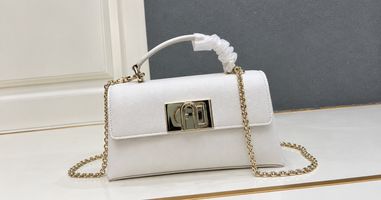

The most useful result comes from setting a visual priority first, then letting the surrounding proportions support it.

How Does the Pinko Love Bag Work With Different Outfits?How Does the Pinko Love Bag Work With Different Outfits?
How Does the Pinko Love Bag Work With Different Outfits?

Pinko love bag works best with outfits that leave room for its Chevron quilting, chain strap and Love Birds hardware to register. Black leather moves easily between denim, tailoring, knitwear and dresses, while the structured profile adds polish without making dressier clothing feel overloaded.


The strongest combinations usually connect with one feature rather than repeating everything at once. Clean tailoring, warm-tone jewelry or simple footwear can be enough.


Carry position changes the result too. Shoulder wear keeps the chain more vertical, while crossbody placement shifts where the bag sits against clothing.


1. Simple Clothing Lets the Exterior Do More


Chevron stitching creates movement across the leather, while the centered clasp supplies a clear focal area. Clothing does not need much decoration around it.


A clean knit, straight trousers or an unembellished jacket lets the bag provide most of the texture and metal contrast.


This makes understated outfits an easy starting point without requiring the entire wardrobe to become minimal.


2. Tailoring Works Best Without Too Many Competing Lines


Blazers and structured coats already introduce shoulders, lapels and defined edges. Additional decoration can make the upper half feel crowded.


Placed beside cleaner tailoring, pinko bag proportions add a compact block below the jacket line without overpowering it.


Single-breasted jackets usually leave more uninterrupted space around the chain. Double-breasted styles can work too, though prominent buttons add more visual activity.


Straight or gently wide trousers keep the overall proportion balanced without making the outfit overly rigid.


3. Denim Pulls the Design Toward Casual Dressing


Blue or washed black denim reduces the formality of gold-tone hardware while keeping the bag polished.


A shirt, knit or cropped jacket is usually enough around it. Darker denim creates a smoother transition into black leather, while lighter washes make the bag stand out more clearly.


Simple footwear keeps the chain and quilting from competing with too many other decorative elements.


4. Knitwear Softens the Metal and Structure


Soft knit surfaces contrast well with firm leather and chain hardware. The bag looks sharper beside them without making the outfit formal.


Fine-gauge knitwear keeps the upper half relatively clean, while heavier sweaters add more volume around the strap.


With looser layers, pinko love bag can sit slightly higher so the body stays visible instead of disappearing beneath oversized fabric.


Cream, gray, camel, black and muted seasonal tones all work especially easily here.


5. Dresses Shift Attention Toward Different Features


A plain dress makes the clasp and chain more noticeable because fewer elements compete around the bag.


Printed dresses create a different balance. Black leather can act as a steady area between the pattern and metal hardware, while hem length determines how much uninterrupted fabric surrounds the bag.


One shared element—black footwear or warm-tone jewelry, for example—is usually enough to connect the look without forcing a closer match.


6. Coat Openings Change Where the Bag Sits Visually


Outerwear affects more than how much of the bag remains visible.


Lapel width, coat opening and fastening position can all change where the eye meets the chain and bag body.


A wide lapel places another strong line close to the strap. Narrower openings leave more uninterrupted fabric between the hardware and coat edge.


Buttoning a coat higher can move attention upward.


A lower opening gives the bag greater separation from the neckline, so the useful question is not simply long coat or short jacket but how the coat is constructed around the chain.


7. Chevron Texture Needs Control Around Nearby Patterns


Quilting already introduces its own directional pattern. Large checks, strong stripes or heavily embellished fabric can compete with it.
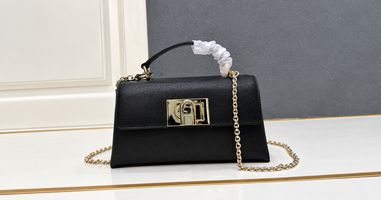

A pinko chevron bag works more easily beside print when another part of the outfit stays solid. Patterned outerwear with plain trousers, for example, keeps the two textures from meeting directly.


The quilting scale and body proportions discussed above are easier to judge from the product itself: https://www.bniox.com/products/pinko-love-chevron-quilted-crossbody-bag-pia03


Smaller or tonal prints are usually easier to combine because they do not echo the scale or contrast of the Chevron stitching.


8. Black Monochrome Styling Depends on Surface Contrast


An all-black outfit can make the bag blend into clothing from a distance, so texture becomes more important.


Chevron stitching, leather and metal each reflect light differently. A matte knit can make the chain stand out, while a leather jacket shifts more attention toward quilting and hardware.


Using several black finishes prevents the outfit from becoming visually flat without adding another color.


9. Crossbody Placement Needs a Clear Front Path


Shoulder carry keeps most of the hardware beside the body. Crossbody wear brings more of the chain into contact with the front of a jacket, knit or shirt.


With pinko crossbody bag placement, the cleanest result usually comes when the chain does not run directly over a large pocket flap, oversized button line or heavily textured panel.


A blazer with a plain front gives the strap a clearer path. Cargo-style pockets, decorative closures or dense surface work can make the same area feel busier.


The issue is less about whether crossbody styling looks casual or polished and more about what the chain physically passes over.


10. Jewelry Scale Matters More Than Exact Metal Matching


Love Birds hardware already creates a noticeable metal focal area near the center of the bag.


Large earrings, a heavy necklace and prominent belt hardware can compete if they sit close together. Smaller pieces tend to support the clasp, while mixed metals matter less than the overall scale of each accessory.


A small silver ring will rarely challenge the bag, whereas oversized gold pieces can still feel excessive despite matching the hardware.


11. Footwear Surface Changes How Strongly the Bag Reads


Matte sneakers keep more attention on the chain and front hardware because the shoes contribute relatively little shine. Polished loafers add another reflective surface lower in the outfit, creating a stronger connection with the metal elements above.


Pointed flats or sleek heels introduce cleaner lines that echo the structured body instead of the quilting. The effect depends more on finish and profile than on whether the footwear is considered casual or dressy.


12. Let Contrast Decide Which Feature Leads


Chevron texture, chain hardware and the centered clasp do not need equal emphasis in every outfit.


With pinko love bag one chevron, whichever feature creates the strongest contrast against the clothing will usually become dominant on its own.


Matte clothing can make the chain more noticeable. Smooth monochrome pieces can bring out the quilting. A plain dress can leave the clasp as the clearest focal area.


Once that contrast is established, the rest of the outfit can stay quieter instead of trying to repeat every feature of the bag.

How Can You Wear a Furla 1927 Bag by Hand, Shoulder or Crossbody?How Can You Wear a Furla 1927 Bag by Hand, Shoulder or Crossbody?
How Can You Wear a Furla 1927 Bag by Hand, Shoulder or Crossbody?

The furla 1927 bag can move between hand carry, shoulder wear and crossbody use without losing its compact structured character. Hand carry emphasizes the handle and front closure, shoulder wear keeps the profile close to the body, while crossbody placement offers more freedom during walking.


The best option depends on movement, clothing thickness and where the bag feels most comfortable against the wearer.


1. Each Carrying Method Changes What You Notice First


Carrying the 1927 Mini by hand puts the upper handle, structured body and front hardware in clear view.


Moving it onto the shoulder makes the bag feel more integrated with the outfit, while crossbody wear shifts attention toward strap placement and movement.


The design stays the same, but each setup brings a different part of it forward.


2. Hand Carry Creates the Cleanest Front Profile


Removing the long strap leaves the upper line unobstructed and makes the compact handle more prominent.


That configuration suits the structured character of a furla handbag because the hardware and leather body remain fully visible from the front.


It works easily beside tailored trousers, a fitted dress or simpler evening clothing. Hand carry is less convenient for extended walking, but for shorter periods it presents the design in its clearest form.


3. Handle Height Affects How the Bag Sits


A compact top handle creates some distance between the hand and the leather body, helping the bag hang clearly rather than disappear against clothing.


The base stays below the hand while the handle forms a smaller arc above it, which keeps the overall profile easy to read.


For longer periods of movement, however, the detachable strap becomes more practical than keeping one hand occupied.


4. Mini Proportions Make Shoulder Placement More Noticeable


A smaller body can sit differently on the shoulder than a larger tote because there is less surface area against the torso.


Strap position therefore has a stronger influence on where the bag lands. A higher setting keeps it closer to the waist or upper hip, while extra length lowers the body and changes how much it moves.


Compact dimensions help furla 1927 mini bag proportions remain clear even when the strap becomes part of the overall look.

This matters more over coats or jackets, where additional volume changes how the bag sits.


5. Shoulder Wear Keeps Access Simple


Shoulder carry offers a useful middle ground between hand carry and crossbody wear.


The bag stays close enough for easy access while leaving both hands free. It can also move toward the front quickly without lifting the strap over the head.


A setting that feels comfortable over a shirt may need slight adjustment over heavier outerwear.


6. Crossbody Wear Prioritizes Movement


Longer periods of walking make stability and hands-free use more important.


That is where furla crossbody bag use becomes most practical. The diagonal strap holds the compact body closer to the torso and reduces repeated repositioning.


Too high can make the top handle sit awkwardly against the body.


Too low may allow more movement at the hip.


The most comfortable position usually keeps the bag accessible without excessive swinging.


7. The Top Handle Still Matters When the Strap Is Attached


Adding the long strap does not make the upper handle disappear from the design.

Depending on how high the bag sits, the handle may rest closer to the torso or project slightly outward. That small difference can affect comfort as much as the strap length itself.


A position that keeps the handle from pressing awkwardly against the body usually feels cleaner during longer wear.


This is one reason strap adjustment should be judged by the whole bag rather than only by where the base lands.


8. Top-Handle Use Shows the Structure Most Clearly


Removing the shoulder strap turns attention back toward the compact upper handle, firm base and central closure.


For someone drawn primarily to the structured profile, furla 1927 top handle presents those elements with the least visual interruption.


The body can sit beside the leg for a quieter effect or move slightly forward when quicker access is needed.


Because the design remains compact, small changes in hand position can alter how visible the front hardware becomes.


This setup works especially well when the handle is meant to remain part of the visible design.


9. Body Position Changes How the Bag Moves


A compact structured bag reacts differently depending on whether it rests near the waist, upper hip or lower hip.


Higher placement usually keeps the body closer to the wearer and reduces movement. A lower position creates more separation, which can make the bag swing more noticeably during a faster walking pace.


The structured base also makes that movement easier to feel than it would be with a very soft bag.


For crossbody use, the most comfortable position is therefore usually the one that balances access with enough stability to keep the body from moving unnecessarily.


10. The Strap Can Be Added Only When It Is Needed


The detachable strap does not have to remain part of the bag throughout the entire day.


For a shorter appointment or seated setting, the top handle may be enough. The strap becomes useful again once the bag needs to stay attached to the body for longer movement.


That distinction keeps the carrying system flexible without turning every outfit into a shoulder-strap look.


The practical advantage comes from choosing when the strap adds value rather than treating it as a permanent part of the design.


11. Shoulder Wear Keeps the Outfit Less Interrupted


Crossbody placement naturally creates a diagonal line across the outfit. Shoulder carry keeps the strap closer to one side.


For this kind of outfit, furla shoulder bag placement keeps the strap visually quieter while still leaving both hands free.


The compact body also moves forward easily when something inside is needed, then slides back toward the side.


12. Access Can Matter More Than Maximum Stability


Crossbody wear offers the most secure position during movement, but that is not always the main priority.


Shoulder carry can make repeated opening and closing easier because the bag can move toward the front without changing the strap position. Hand carry offers the quickest control over the bag itself, although one hand remains occupied.


The best method therefore depends partly on how frequently the contents need to be reached, not just how far the wearer plans to walk.


This creates a clearer distinction between the three setups than simply treating crossbody as the default practical option.


13. Choose the Carrying Method by How the Bag Needs to Behave


Hand carry emphasizes the handle, hardware and compact body, making the design easiest to see as a complete object.


Shoulder wear keeps access simple without placing a diagonal strap across the outfit.


Crossbody placement offers more stability during longer periods of movement, while the furla 1927 bag keeps the same compact structure underneath each setup.


The real advantage is being able to change how the same compact body sits and moves without changing the bag itself.

Alaïa Le Cœur Slingback Pumps: Understanding the Details Behind the DesignAlaïa Le Cœur Slingback Pumps: Understanding the Details Behind the Design
Alaïa Le Cœur Slingback Pumps: Understanding the Details Behind the Design

Alaïa Le Cœur slingback pumps combine a pointed silhouette, open-back construction, and a recognizable heart-shaped front element. Instead of placing decoration throughout the shoe, the design focuses attention on one distinctive area while keeping the surrounding form clean.


The appeal comes from the connection between ornament and proportion. The front creates recognition, while the open rear changes the rhythm of the silhouette.


Examining these individual elements shows how the Le Cœur approach creates a different expression within slingback footwear.


1. The Heart Element Creates the Main Recognition Point


The heart detail is the feature that immediately separates the shoe from a traditional pointed pump.


Rather than covering the upper with multiple accents, the motif stays concentrated near the toe. This keeps the rest of the surface quiet and allows the overall outline to remain clear.


The placement gives the shoe a recognizable character without changing the refined foundation of a classic pump.


Its effect comes from location and proportion, not from excessive decoration.


2. The Slingback Structure Creates a Different Balance


A closed pump forms a continuous connection from toe to heel. A slingback changes this by opening the rear area and creating more space around the ankle.


The exposed section behind the foot gives Alaia Le Coeur slingback pumps a lighter side profile. The strap defines the rear while allowing the pointed front to remain visually important.


This separation between front and back creates a more open appearance than a fully enclosed pump.


3. Material Finish Changes the Expression


Surface treatment influences how the main elements appear.


A glossy finish reflects light around the heart motif and pointed toe, making these areas easier to notice. A smoother finish reduces reflection and places more attention on the outline.


Material contrast also affects the relationship between footwear and clothing. Structured fabrics create clearer definition, while softer textures create a quieter transition.


The silhouette remains central, but the finish changes its overall mood.


4. The Pointed Toe Defines the Proportion


The pointed front determines how the shoe extends forward and how the lower outline is formed.


This construction is one reason Alaïa Le Cœur pumps can create a sharper impression even with limited decoration. The elongated toe provides direction, while the heart element adds a focused visual reference.


The ornament works because it sits within a strong foundation. The toe shape establishes the character before the decorative feature is noticed.


5. The Open Rear Changes the Visual Flow


The rear opening becomes more noticeable through movement.


As the foot changes position, the relationship between the pointed front, ankle strap, and exposed heel becomes clearer. Different angles reveal different parts of the construction.


Unlike a closed pump with one continuous upper, the slingback design creates separate visual sections.


This gives the shoe more variation without adding additional elements.


6. Simple Clothing Creates More Focus


A detailed shoe does not require equally detailed clothing.


Clean tailoring, simple dresses, and understated separates leave enough space for the main elements to remain clear.


When several decorative features appear together, attention becomes divided. A more controlled outfit allows the heart element, pointed shape, and open construction to remain visible.


The balance comes from allowing each piece enough room rather than reducing every other detail.


7. Front and Rear Elements Create the Signature Shape


The strongest characteristic of the design comes from the relationship between its two main sections.


The front carries the recognizable motif, while the rear introduces openness and movement. Together, they create a silhouette that changes depending on viewing angle.


This relationship is what separates Alaïa Le Cœur slingback shoes from a simple pointed slingback.


The identity of the pair comes from how the toe, heart element, strap, and heel opening work together as one construction.


8. Color Influences Detail Visibility


Color changes which parts of the shoe attract attention first.


Dark shades usually create stronger outlines, making the pointed toe and heart motif easier to notice. Softer tones reduce contrast and allow the overall construction to become more prominent.


A stronger color can increase the presence of the front element, while quieter shades highlight the relationship between materials and proportions.


The surrounding palette also affects whether the shoe feels more expressive or more restrained.


9. The Le Cœur Approach Balances Ornament and Restraint


The combination of pointed shape, open rear, and focused front decoration gives the model a clear visual direction.


Unlike a simple slingback that relies mainly on shape, Alaïa Le Cœur slingback pumps use carefully placed ornament to create recognition while keeping the rest of the silhouette controlled.


The heart element does not replace the structure of the shoe. It works together with the toe shape and open construction, creating a recognizable design without adding unnecessary complexity.


10. Accessories Should Support the Main Detail


Because the shoe already has a defined focal area, accessories can remain controlled.


A simple bag or understated jewelry can support the overall look without competing with the heart motif.


Strong hardware or several decorative pieces may shift attention away from the footwear.


The most balanced combinations allow the shoe to remain the strongest individual feature.


11. The Side View Reveals the Construction


The side profile shows how each part contributes to the final outline.


The pointed front extends forward, the strap creates a break near the ankle, and the open rear keeps the shape lighter.


This angle explains why the pair remains interesting even when the heart element is not immediately visible.


The overall effect comes from spacing, proportion, and movement working together.


12. A Distinct Direction Within Slingback Footwear


The combination of pointed shape, open construction, and focused decoration creates a recognizable direction within slingback footwear.


Alaïa slingback shoes show how a single design element can work with proportion and structure rather than overpowering the entire silhouette.


The Le Cœur concept depends on contrast: a defined front, an open rear, and carefully controlled details.


That approach allows the shoe to remain distinctive while maintaining a refined overall appearance.

Alaïa Slingback Pumps: A Closer Look at the Le Cœur DesignAlaïa Slingback Pumps: A Closer Look at the Le Cœur Design
Alaïa Slingback Pumps: A Closer Look at the Le Cœur Design

A pointed front, open heel, slim strap, and distinctive heart motif give Alaïa slingback pumps a balance between classic dress footwear and a more expressive evening design.


Much of the character comes from contrast. Attention gathers near the toe, while the open rear removes some of the visual mass associated with a closed pump.


That relationship between front and back affects how the pair reads from different angles, which makes proportion as important as color or finish.


1. The Front Sets the First Impression


The pointed toe creates a long line before the heart motif becomes the main focus. From a distance, the shoe first appears streamlined; closer up, the decorative front changes its character.


Cropped trousers expose more of the toe, while longer hems reveal only part of the front. Dresses and skirts show the full construction, giving the motif greater presence.


The effect therefore changes according to how much of the shoe remains visible.


2. The Open Heel Keeps the Profile Lighter


A closed pump creates one continuous line from toe to heel. A slingback interrupts that line behind the foot, leaving more skin visible and reducing the amount of material seen from the side.


The slim strap defines the rear without producing the heavier outline of a full heel counter.


That difference is especially clear from side and three-quarter views, where the pointed front and exposed heel create two very different visual zones.


3. The Le Cœur Motif Changes the Visual Center


Decoration near the front changes where attention lands. Heel height and toe length remain important, but neither becomes the dominant feature.


Instead, Alaïa Le Cœur slingback pumps concentrate most of their character around the upper front while leaving the sides and rear comparatively restrained.


That concentration helps the motif remain recognizable without requiring additional ornament elsewhere on the shoe.


Straight skirts, simple dresses, and controlled tailoring give the front feature enough room to register clearly.


4. The Toe Creates a Longer Lower Line


The pointed front does more than change how the shoe looks from above. It extends the lower outline beyond the foot and creates a longer finishing line below the ankle.


This becomes especially noticeable when the shoe is viewed beside straight trouser legs or narrow skirt hems.


A rounded or square toe would stop that line earlier. Here, the front continues forward before ending, which gives the shoe a sharper profile even when most of the upper remains understated.


The effect is structural rather than purely decorative, so it remains visible even when the heart element is partly covered.


Hem length can change what appears first.


5. Patent and Smooth Finishes Affect the Mood


Surface finish can shift the pair from restrained to more noticeable before color even enters the decision.


Gloss catches light quickly and makes the front decoration easier to notice. A smoother, less reflective surface places greater emphasis on the outline.


Material treatment therefore changes how Alaia slingback pumps behave beside satin, wool, denim, or structured tailoring.


Matching textures is unnecessary. A controlled contrast between clothing and footwear can give both surfaces more definition.


6. Side Views Reveal the Construction Best


The shoe looks different from the front than it does from the side.


From straight ahead, the pointed toe and heart motif dominate. Turn slightly, and the gap behind the heel becomes more important, while the strap creates a thin horizontal interruption across the rear.


This angle also shows how little material connects the front and back visually.


That separation is one of the features that distinguishes the design from a conventional closed pump. It gives the shoe a lighter side profile even though the front carries a strong decorative element.


7. A Clean Outfit Lets the Front Detail Work Harder


A recognizable shoe does not require equally decorative clothing.


Simple trousers, a fitted knit, a column dress, or a plain skirt can provide enough contrast for the footwear to become the main focal element.


Alaïa slingback pumps keep their strongest feature near the front, so they work particularly well beside pieces with fewer competing accents.


Texture, jewelry, or a structured bag can still add interest. Spacing those elements around the outfit prevents too much visual activity from gathering in one area.


For dressier settings, one or two clear focal features usually create a cleaner result than several strong motifs close together.


8. Shorter Hems Put More Emphasis on the Heel


Mini skirts and shorter dresses expose almost the complete shoe.


The slingback strap becomes easier to notice, as does the transition from upper to heel. The rear construction therefore carries more visual weight than it does beneath longer clothing.


Bare legs create greater separation between garment and footwear, while tights form a more continuous vertical line.


This makes shorter hems particularly useful for showing the front-to-back contrast built into the design.


9. Color Determines How Quickly the Shoe Is Noticed


Black creates strong definition beside lighter clothing or exposed skin. A lighter shade softens that contrast and makes the pointed profile less forceful.


Deep red and similar tones introduce more visual weight without relying entirely on gloss or ornament.


Color matching is not essential. Using the shoe as the only saturated element can make its form clearer, while repeating a related tone elsewhere creates a subtler connection.


A restrained surrounding palette usually leaves more room for the heart motif to remain distinct.


10. The Pair Changes Character With Fabric Weight


Heavy fabrics and fluid fabrics frame this shoe differently.


Wool trousers, dense tailoring, or thicker skirts create a stronger material contrast against the exposed heel. Lighter fabrics allow the shoe to feel more continuous with the rest of the look.


That difference can be useful when styling Alaïa Le Cœur pumps outside formal evening settings. A fine knit and tailored trouser produce one effect; a flowing dress produces another.


The shoe itself remains unchanged, but the surrounding fabric determines whether it reads sharper, softer, or more decorative.


For a closer look at the specific construction and design details, explore the Le Cœur style analysis.


11. Bags Do Not Need to Repeat the Heart Motif


A recognizable decorative element does not need to appear again elsewhere.


A clean shoulder bag, compact top-handle style, or simple clutch can support the shoe without competing against the front feature.


Strong hardware on both footwear and bag can make the lower half of an outfit feel busier, so keeping one accessory quieter usually improves separation.


Matching the bag to the clothing rather than the shoe can also prevent the accessories from looking overly coordinated.


12. The Best View Is Not Always From the Front


This design rewards movement because different features become noticeable from different angles.


Walking brings the slingback strap into view, then shifts attention back toward the pointed front as the foot moves forward. Sitting exposes more of the side construction and heel opening.


That changing perspective is important because the shoe does not depend on one decorative surface.


The front motif provides recognition, while the open rear and slim strap become clearer once the wearer moves. This gives the pair more dimensional interest than a shoe whose strongest feature is visible only from straight ahead.


13. Who Will Get the Most Use From This Pair?


Someone who wants a pointed dress shoe with a recognizable front feature, but not decoration spread throughout the whole design, is likely to get the most from this pair.


Wardrobes built around tailoring, skirts, dresses, and cleaner silhouettes provide enough visual space for the heart motif and open heel to remain distinct.


Very long trousers conceal more of the construction, although the toe can still appear beneath the hem.


For someone who prefers footwear that can shift between restrained daytime dressing and more decorative evening combinations, Alaïa slingback pumps offer that flexibility through proportion rather than excessive ornament.


Those details can also read differently from other angles.

Roger Vivier Efflorescence Mary Janes: What Changes the Way They Look on Foot?Roger Vivier Efflorescence Mary Janes: What Changes the Way They Look on Foot?
Roger Vivier Efflorescence Mary Janes: What Changes the Way They Look on Foot?

Roger Vivier Efflorescence Mary Janes combine a defined cross strap with a more expressive front, so the way they look on foot depends heavily on what remains exposed around the instep, ankle, and toe. Trouser width, skirt length, hosiery, and nearby texture can each shift attention toward a different part of the design.


The useful question is not simply whether the shoe looks decorative. It is how the surrounding clothes reveal or soften its strongest features.


1. Start by Looking at the Space Above the Strap


The exposed area between the cross strap and ankle has a strong effect on proportion.


More visible skin creates a clearer break between shoe and leg. That makes the strap easier to identify and gives the upper a more segmented appearance.


A longer trouser or opaque hosiery reduces that break. The shoe then reads more as one continuous block near the foot.


This difference can change the impression considerably even when the footwear itself stays the same.


2. A Decorated Front Changes Where the Eye Lands


A simpler strapped design may draw attention first to the band crossing the foot. Once the front carries stronger ornament, the order changes.


The eye is more likely to settle near the toe before moving upward toward the strap and ankle.


That makes clothing close to the shoe important. Heavy pattern near the hem can compete for the same area, while quieter fabric leaves the front treatment easier to notice.


The strongest balance usually comes from deciding which element should lead rather than asking every part to carry equal emphasis.


3. Trouser Width Alters How the Upper Is Framed


A slim trouser opening creates a tighter frame around the shoe and makes the upper appear more contained.


Wider trousers introduce more negative space and movement around the foot. Instead of simply revealing or hiding the shoe, the fabric changes the surrounding outline every time the wearer moves.


That effect suits Roger Vivier Mary Janes because the front and strap do not need to stay equally prominent at every moment. One may lead while the other becomes secondary.


This makes trouser width a framing decision rather than only a question of how much of the upper remains exposed.


4. The Instep Can Affect How Dressy the Shoe Feels


Open space around the instep can make the shoe feel lighter even when the front is richly treated.


Dark tights, long trousers, or dense fabrics reduce that contrast and connect the shoe more closely to the rest of the lower outfit.


Bare skin creates a stronger interruption between clothing and footwear, which can make the strap more pronounced.


That shift can subtly change whether the pair feels softer, sharper, or more polished.


5. The Front Treatment Needs a Clear Setting


Clothing does not need to be plain, but the strongest finishes should not all compete within the same small area.


Smooth trousers, a structured skirt, or a dress with a relatively clean lower section give Roger Vivier Efflorescence Mary Janes enough room to keep their front treatment distinct.


This works particularly well if the outfit already includes texture higher up, such as knitwear, a tailored jacket, or a more expressive bag.


Separating those stronger elements creates better order.


6. Hosiery Changes More Than Color


Hosiery can alter how the strap reads against the foot.


A dark continuous tone reduces the contrast between strap, skin, and ankle, making the shoe feel more integrated into the lower half of the outfit.


Sheer hosiery softens that transition while preserving more definition. Bare skin makes the horizontal strap easiest to notice.


These are small changes, but they can noticeably alter how strong the cross-strap structure feels once worn.


7. Skirt Construction Changes the Space Around the Shoe


Skirt volume affects more than movement. It also changes the amount of open space that surrounds the foot when the wearer is standing still.


A straight skirt creates a more controlled column above the shoe. A fuller cut widens that frame and can make the footwear feel smaller by comparison.


Fabric weight changes the result again. Firmer material keeps the hem in a more predictable position, while lighter cloth shifts continually around the leg.


This makes skirt construction a proportion issue as much as a styling choice.


8. Efflorescence Can Work Beside Richer Fabrics


Decorative footwear does not automatically require plain cottons or simple tailoring.


Velvet-like finishes, satin, fine wool, or textured knits can sit beside Roger Vivier Efflorescence shoes if their weight is distributed carefully.


The easiest combinations avoid placing the richest fabric directly beside the most decorated part of the shoe.


A textured jacket over cleaner trousers, for example, keeps interest separated vertically and gives the outfit more depth without overloading the lower section.


9. Viewing Distance Changes What Stands Out First


Up close, smaller decorative elements near the toe receive more attention because their texture and surface variation are easier to see.


From farther away, those finer elements merge into a broader front accent. The strap and overall upper proportion then become more important than individual embellishment.


This difference explains why a pair can feel highly detailed in close product photography yet read more cleanly once incorporated into a complete outfit.


It also means clothing does not need to echo every decorative feature. From normal viewing distance, the larger proportions usually matter more.


10. Surrounding Lines Decide Whether the Shoe Feels Softer or Sharper


Curved hems, draped fabric, and rounded outerwear can make the shoe feel less rigid because few nearby lines repeat the horizontal strap.


More precise clothing creates a different effect. Trouser creases, straight skirt edges, and compact tailoring reinforce the geometry already present around the foot.


That gives Roger Vivier Mary Jane shoes two distinct directions without changing the footwear itself.


The useful choice is whether the clothing should soften the structure or echo it.


11. Keep Secondary Accents Away From the Toe Area


A second decorative element can work well, but placement matters.


Strong ankle jewelry, patterned socks, or highly embellished hems all sit close to the same area as the shoe’s front treatment. Combining several of them can make the lower section difficult to read.


Moving the next accent farther away gives each feature more space.


A defined neckline, earrings, or a bag carried higher on the body can add interest without competing directly with the shoe.


This creates a more deliberate distribution of attention from top to bottom.


12. Preserve the Shoe’s Two-Part Character


The Efflorescence design works because the front treatment and cross strap do not perform the same function.


One draws attention toward the toe, while the other defines the upper and creates a recognizable break across the foot.


That two-part structure is easiest to appreciate when clothing leaves enough room for both to remain visible. Roger Vivier Efflorescence Mary Janes work especially well when the lower outfit does not cover the entire upper or add heavy competition around the ankle.


The styling does not need to be minimal. It simply benefits from keeping ornament, strap, hem, and surrounding texture distinct.


That balance lets the shoe carry more character without making the complete outfit feel overloaded.

Roger Vivier Mary Janes: How the Efflorescence Design Changes the LookRoger Vivier Mary Janes: How the Efflorescence Design Changes the Look
Roger Vivier Mary Janes: How the Efflorescence Design Changes the Look

Roger Vivier Mary Janes suit wardrobes where footwear is expected to contribute something visible to the outfit rather than disappear beneath it. Efflorescence keeps the recognizable cross-strap construction while placing stronger decorative emphasis near the front of the shoe.
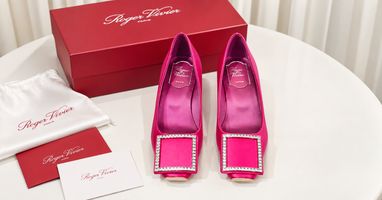

That balance matters because a Mary Jane is read as a complete structure. Toe proportion, strap placement, upper coverage, heel profile, and ornament all affect how the pair looks beneath trousers, skirts, and dresses. Understanding those elements makes styling easier than treating decoration as the only decision factor.


1. Start With the Mary Jane Structure


A Mary Jane is recognizable because the strap creates a horizontal break across the foot. That break changes the upper more significantly than a small decorative addition would, especially once the shoe is viewed from the front or side.


The strap separates the toe area from the section closer to the ankle. Its placement therefore affects how much uninterrupted surface remains visible and how elongated or compact the upper appears.


Efflorescence introduces another focal area closer to the toe. Instead of letting the strap carry all of the visual character, the design creates interest at two different positions.


Those elements work together to give the shoe definition without relying on a dramatic heel or an unusually sculpted sole.


2. Why Efflorescence Feels More Decorative


Clean trousers are useful here because very little competes visually close to the foot. A straight leg creates a controlled vertical line, allowing the decorative section of the shoe to remain easy to identify.


The effect becomes more noticeable with Roger Vivier Efflorescence Mary Janes, since much of their character sits toward the front rather than being distributed evenly over the entire upper.


A plain midi skirt works for the same reason. It gives the footwear enough surrounding space while keeping the hem far enough away for the strap to remain visible.


Texture can still be introduced higher in the outfit. Fine knitwear, wool tailoring, or a softly finished jacket can add depth without repeating the ornament near the shoe.


The outfit does not need to become formal simply because the footwear is decorative. A quieter lower half is usually enough to preserve balance.


3. Strap Placement Changes the Upper Proportion


The cross strap divides the upper into separate visual sections. Its position influences how much space appears between the toe, strap, and ankle, which can make the same general shoe type look very different from one design to another.


This difference is easier to notice from a slight side angle. The front section is read first, followed by the strap and the open area above it.
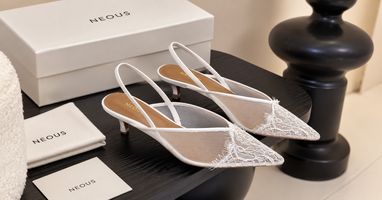

A longer trouser can cover much of the upper, leaving the decorated front as the dominant feature.


Cropped pants reveal the complete construction and place more attention on the strap itself. The change is less about dressiness and more about how much of the original Mary Jane profile remains visible.


4. Give the Front Enough Space


Decorative footwear loses part of its character when the front remains permanently hidden beneath fabric. Full-length trousers can still work, but they create a softer effect because only part of the design is visible while standing.


Cropped tailoring provides a clearer view without requiring an especially short hem. The eye can register the front decoration, the strap, and the space above it as separate elements.


Skirts and dresses offer even more freedom because the upper is rarely covered. This makes Roger Vivier Mary Janes easier to read as a complete design rather than simply a decorated toe appearing beneath the garment.


A midi hem can be especially useful when the aim is to keep the shoe visible while retaining a longer overall silhouette.


5. The Strap Changes How Much Foot Remains Visible


The cross strap does not only divide the shoe itself. It also changes the amount of exposed foot between the upper and ankle, which affects the apparent length of the lower leg.


A strap sitting clearly below the ankle leaves a visible break above it. Paired with cropped trousers or a skirt, that small area becomes part of the overall proportion.
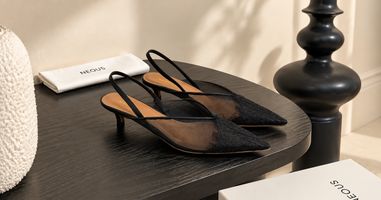

This is one reason a Mary Jane can look different from a pump even when the toe and heel are relatively close in profile. The exposed section above the strap becomes another visual interval.


Socks or hosiery alter that interval again. A continuous dark tone reduces the contrast around the strap, while bare skin makes the horizontal division much easier to notice.


6. Formal Clothing Is Not Required


A decorated Mary Jane can work outside event dressing if the surrounding pieces are familiar and restrained. Dark denim is one useful example because it introduces a more casual material without adding much competing ornament.
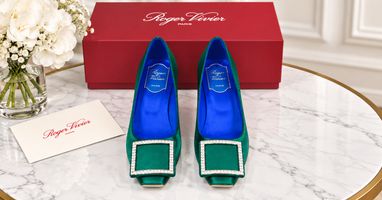

Tailored trousers and fine knitwear move the outfit toward a polished daytime direction. A simple coat or compact jacket can finish the combination without making the footwear feel excessively dressed up.
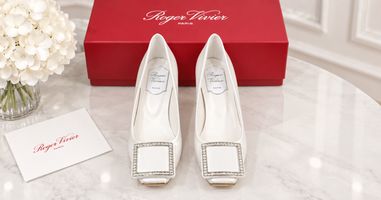

Placed beside those straightforward pieces, Roger Vivier Mary Jane shoes provide the stronger visual accent rather than asking every item in the outfit to make the same statement.


A plain skirt creates another route. Everyday wool, cotton, or structured knitwear keeps the outfit grounded while the footwear supplies the decorative finish.


This broadens the usable range considerably. The design does not depend on evening clothing to make sense.


7. Midi Lengths Keep Attention Near the Foot


A midi skirt leaves a visible break between hem and shoe, making the strap easier to distinguish than it might be beneath trousers.


Fluid fabric softens the relationship because the hem moves around the leg. A firmer skirt creates a clearer line and makes the footwear look more structured by comparison.


Print matters as well. A busy pattern close to the calf introduces additional visual activity, while a solid fabric directs more attention downward.


The useful distinction is whether the shoe should remain the main decorative feature or share that emphasis with the garment.


8. Color Controls How Strongly the Shoe Reads


Dark footwear creates a defined base beneath pale or medium-toned clothing. Similar tones between garment and shoe make the transition smoother and reduce contrast.


High contrast works well when the rest of the outfit has few accents. The footwear can then carry most of the visual interest near the ground.


Lower contrast is useful for tonal dressing where the shoe should remain visible without becoming the first element noticed.


Color therefore changes visual strength more than it changes the actual dressiness of the design. The relationship between color, surface finish, and lighting can further change how the front detail appears in different settings, as explored through how light and texture change the look.


9. Quiet Clothing Lets the Shoe Do More


Black trousers, a clean shirt, fine knitwear, or a single-color dress can all create enough open visual space for footwear to become the main accent.


That approach works particularly well for Roger Vivier Mary Janes because the strap and decorative front already provide two recognizable elements. Adding another strong pattern close to the foot is rarely necessary.


Accessories can remain restrained. A bag with minimal hardware or jewelry concentrated higher on the body keeps the lower section easier to read.


This also makes repeat wear simpler. The footwear remains consistent while trousers, skirts, knits, and outerwear change around it.


A distinctive shoe does not need an entirely new styling concept every time it is worn.


10. The Shoe Looks Different From Front and Side Views


The decorative front has the greatest impact when viewed straight ahead. From that angle, ornament occupies a larger share of the visible shoe and can make the toe area feel more substantial.


The side view changes the balance. The strap, heel, and open section around the foot become easier to notice, reducing the dominance of the front treatment.


That difference matters when choosing clothing. Wide or flowing garments may reveal the shoe mainly from the front as the wearer moves, while a cleaner hem exposes more of the side profile.


It also explains why a pair can appear highly decorative in a product image yet more balanced once worn. The full construction introduces several visual elements that are less obvious in a straight-on view.


The difference becomes easier to judge when looking at how the Efflorescence design changes on foot beside different clothing proportions.


11. Efflorescence Works Through Concentrated Detail


Decoration spread over an entire upper creates a very different effect from decoration concentrated in one area.


With Roger Vivier Efflorescence Mary Janes, the stronger treatment near the front gives the eye a clear place to settle, while the remaining structure prevents the shoe from reading as uniformly embellished.


That concentration is useful when coordinating other finishes. A textured skirt or polished bag can still work because the shoe does not carry equal ornament from toe to heel.


The separation between decorated and quieter areas also becomes more visible from the side.


As a result, the shoe can support richer clothing than a fully embellished design might, provided the strongest decorative elements are not all clustered around the ankle and foot.


12. Movement Changes Which Part of the Design You Notice


Standing still and walking do not present the shoe in exactly the same way.


At rest, the front decoration and strap can be viewed together. During movement, trouser hems shift, skirts move away from the leg, and different parts of the upper appear for shorter intervals.


This is especially noticeable beneath wider trousers. A shoe that seems mostly hidden while standing can become far more visible with each step.


Skirts produce another effect. Movement briefly changes the distance between hem and shoe, which can make the strap alternately more and less prominent.


That makes the design less static than it appears in a product photograph. The front treatment may catch attention first, but the strap and side profile become more important once the outfit is in motion.


For this reason, judging the pair only against a fixed hem position can miss part of how it actually works when worn.


13. Repeat Wear Depends on the Rest of the Wardrobe


The easiest way to judge versatility is to look at the garments already used most frequently.


Cropped trousers, midi skirts, simple dresses, clean denim, and restrained tailoring all provide enough space for Roger Vivier Mary Janes to retain their recognizable structure.


Different hem widths, ankle exposure, and surrounding edges can also change how outfit proportions affect the shoe.


A wardrobe dominated by very long trousers will present the pair differently. More of the strap disappears, leaving the decorated toe to carry most of the visible character.


Skirt-heavy wardrobes expose more of the construction and make the Mary Jane identity much clearer.


The question is therefore less about assigning the shoe to particular occasions and more about how frequently existing hems allow its strongest elements to remain visible.


If those proportions already appear regularly in the wardrobe, the design has more opportunities for repeat use without requiring major changes elsewhere.

Is the Pinko Love Bag Practical for Everyday Use?Is the Pinko Love Bag Practical for Everyday Use?
Is the Pinko Love Bag Practical for Everyday Use?

Pinko love bag works well for everyday use if you carry a moderate set of essentials and prefer a structured chain bag over a roomy soft style. Its organized body, secure flap and flexible shoulder-to-crossbody carry make it useful for commuting, errands and casual plans without feeling overly formal.


The main trade-off is space. This format rewards an edited daily load rather than bulky cases or items added throughout the day.


For someone who values predictable access, a defined exterior and more than one carrying option, the balance is convincing. People who regularly need generous interior room may prefer a softer, larger format.


1. Everyday Practicality Starts With a Consistent Carry


Daily usefulness depends less on theoretical capacity than on whether the bag matches what someone actually carries.


This design makes the most sense when the daily load stays fairly consistent. Small personal items, a compact wallet, a phone and similarly slim pieces can sit inside without making the interior difficult to manage.


The body becomes less forgiving once several thick objects compete for the same space, so it suits an edited carry better than a routine that keeps expanding during the day.


2. A Defined Interior Can Make Small Loads Easier to Manage


More room does not automatically mean easier organization. Large compartments can allow small objects to move around when there are few internal boundaries.


A compact structured body keeps essentials closer together. That can make retrieval quicker during a commute, at a café or while standing in a queue.


The benefit becomes stronger when similar items return to familiar areas inside.


For someone carrying a modest number of regular essentials, predictability can matter more than unused extra capacity.


3. Daily Use Depends on Balance Rather Than Maximum Storage


The useful question is whether the bag remains comfortable and easy to access once the usual load is inside.


For someone considering a pinko bag for everyday use, this format works best when space is treated as organized rather than expandable. Leaving some room around the contents makes repeated opening easier.


Someone who regularly adds a bottle, notebook, large case or another bulky item may reach the practical ceiling sooner.


4. Repeated Opening Should Stay Simple


Daily bags are handled more frequently than occasion bags, so access matters. A centered flap closure gives the hand a consistent place to reach while standing, sitting or moving between appointments.


Keeping some room near the upper interior also makes the closure easier to use repeatedly. That difference is easy to overlook during a quick inspection but becomes more important over a full day.


5. Mid-Size Proportions Support More Than One Part of the Day


Very small bags can become restrictive before evening, while oversized styles may feel unnecessary for shorter outings. This format sits between those extremes.


The body has enough presence beside jackets, knitwear or daytime tailoring without looking oversized.


For readers who want to inspect the exact proportions and exterior more closely, pinko love bag can link directly to the product page here.


Its usefulness comes from not being tied to one specific time of day. Morning errands, daytime appointments and a later meal can all fit the same basic format.


6. Chain Carry Changes Across Seasonal Clothing


A chain strap behaves differently over a thin shirt than over a coat. Fabric thickness affects both the drop and how securely the strap settles.


Warmer-weather clothing usually leaves more room for the bag to sit at its intended height, while heavier outerwear can raise the body and make the chain more noticeable against the shoulder.


Year-round use therefore depends partly on how the bag behaves over clothing someone actually wears, not just how it feels over a thin top.


7. Crossbody Carry Changes Access as Well as Position


Shoulder carry keeps the bag easy to slide forward when quick access matters.


During active days, pinko crossbody bag positioning keeps the strap anchored across the torso, making it easier to bring the body forward for access.


That matters during repeated stops. The body can move forward and return to the side without completely resetting the strap.


Structured construction also helps it return to a predictable orientation instead of folding around the contents.


8. Weight Distribution Matters More Than Perfect Organization


Structured bags reveal uneven packing more clearly than soft ones.


If most of the weight sits on one side, the bag can feel unbalanced even when the exterior still looks tidy. Keeping denser objects lower and avoiding one heavy cluster helps the body sit more evenly.


This is less about arranging everything precisely and more about preventing one section from carrying most of the load.


9. Spare Interior Room Becomes Useful Later in the Day


A bag does not need to leave home close to capacity. Some unused space can become useful when plans change.


A compact item picked up later, a slim receipt holder or another small addition is easier to accommodate when the interior was not tightly packed from the start.


Keeping some room available makes pinko bag use more forgiving when a small extra item needs to be added later.


That reserve will not turn the bag into an expandable tote, but it can stop small additions from disrupting access.


10. Frequent Transitions Favor Easy Carry Changes


Days involving cars, cafés, shops or short appointments can require the bag to change position several times.


Shoulder carry makes removal quick before sitting down, while crossbody placement can suit the brief walk between stops when taking the bag off would be unnecessary.


The useful part is being able to switch between those positions without reorganizing the contents or changing the basic setup.


11. Everyday Appeal Depends on Liking the Structure Itself


Visible chain, Love Birds hardware and a firm body are not secondary features. They determine how the bag looks and behaves during regular use.


Used every day, pinko love bag one chevron makes more sense for someone who actively likes those features rather than simply accepting them because of the exterior design.


The firm construction keeps the profile controlled, but it also means bulky additions have less room to settle into the body.


Metal hardware remains visible even beside very casual clothing, so the bag never becomes completely understated.


Someone who likes that combination of structure, recognizable hardware and controlled capacity is more likely to use it regularly. Anyone wanting soft leather, quieter hardware or highly adaptable storage may prefer another format.

Pinko Love Bag: What to Know About Design, Carry and Everyday UsePinko Love Bag: What to Know About Design, Carry and Everyday Use
Pinko Love Bag: What to Know About Design, Carry and Everyday Use

Pinko love bag works well for someone who wants a structured black chain bag for regular daytime use without losing a polished finish. Chevron quilting, Love Birds hardware and a practical mid-size profile make it suitable for casual outfits, workday dressing and dinner rather than only occasional wear.


Its main strength is versatility rather than maximum capacity. The body has enough presence beside coats, tailoring or denim, while black leather keeps the quilting and gold-tone hardware easy to coordinate.


It suits a moderate daily load and someone wanting one bag to move across several settings. Buyers who need soft construction or substantial interior room may find another format more practical.


1. Several Elements Build the Front Together


Diagonal quilting, a centered clasp, a clean flap edge and metal chain all contribute to the exterior. None has to carry the design by itself.


Chevron stitching directs attention toward the center, helping the closure feel connected to the leather treatment rather than added as a separate ornament.


Black keeps those features controlled. Light still catches the seams and hardware, but the surface stays easy to place beside neutral or darker clothing.


That balance adds enough character to simple outfits without forcing the rest of the wardrobe to compete.


2. These Proportions Make Sense for Regular Daytime Carry


The width creates visible presence, while the height keeps the bag from looking oversized beside the torso. Body depth adds useful room without pushing the profile toward tote territory.


For someone choosing one polished bag for repeated daytime use, pinko bag proportions like these balance noticeable design and manageable size.


The rectangular body also sits cleanly beside jackets, coats and knitwear. It stays defined when lightly packed rather than depending on a soft body for its appearance.


3. Chevron Stitching Gives Black Leather More Dimension


Smooth black leather can appear quiet from several feet away. Quilting changes that by dividing the front into angled sections that react differently to light.


Because the stitching stays tonal, it adds texture without introducing another color or print. Denim, wool, leather jackets and simple dresses can all sit beside it easily.


The effect is particularly useful in monochrome outfits, where construction creates depth instead of color contrast.


4. Central Hardware Keeps the Front Visually Focused


Love Birds hardware sits close to the middle, giving the eye a clear focal area. Chevron lines reinforce that direction rather than pulling attention outward.


Gold-tone metal creates strong contrast against black leather and can connect easily to earrings, a watch or other warm-metal accents.


Anyone who prefers nearly invisible hardware may find the clasp prominent. For someone who wants recognizable design character, that visibility is part of the appeal.


5. Quilting Adds Character Without Making the Exterior Busy


Smooth leather depends heavily on finish, color and hardware for visual interest. Chevron construction adds another layer while keeping the palette controlled.


That becomes useful beside simple clothing. Black knitwear, straight trousers or a clean coat leave enough visual space for the stitching to register.


Used beside patterned clothing, pinko Love Bag One Chevron remains relatively restrained because its pattern comes from seams rather than contrasting print.


This allows the bag to move between minimal wardrobes and more expressive outfits without requiring a different styling approach.


6. Useful Capacity Comes From Packing Selectively


The important question is not how much can technically fit inside. What matters is whether contents remain easy to reach and the flap still closes cleanly.


Slim everyday items are easier to arrange than several bulky cases competing for the same depth. Once the interior becomes crowded, access becomes less convenient.


Someone carrying a moderate daily load is therefore more likely to benefit from the structured construction.


A closer look at access, organization and repeated use can continue in everyday carrying questions.


7. Chain Hardware Changes the Mood


Metal links make the design feel sharper than a leather-only strap would. They introduce reflection and movement even when the rest of the outfit stays simple.


This is particularly noticeable beside dark outerwear, where leather straps may visually disappear but metal remains visible.


The same chain can look softer beside knitwear and more defined beside tailoring or dresses. Much of the difference comes from the surrounding clothing rather than from changing the bag itself.


8. Carry Height Alters Outfit Proportion


Higher placement keeps the bag closer to the torso and concentrates more visual weight in the upper half of an outfit.


A lower position creates greater separation from the jacket line and can work well beside long coats, wider trousers or loose knitwear.

Shoulder and diagonal carry place pinko Love bag proportions differently against the body, changing how much space the bag occupies within the outfit.


Crossbody carry creates a diagonal line, while shoulder carry lets the chain fall more vertically. Outerwear thickness and torso proportions usually matter more than treating one method as universally better.


9. A Partly Filled Interior Preserves the Exterior Best


This design does not need to be packed close to capacity to look balanced. In fact, some unused room helps the sides and flap retain their intended lines.


When contents are distributed across the base instead of stacked heavily in one area, the exterior reads more evenly from the side. The bag also feels less dense when carried for several hours.


That is an advantage for someone whose daily load changes slightly from one outing to another. A lighter day does not leave the bag looking empty, while a moderate load still uses the available structure effectively.


10. Styling Works Better When One Feature Leads


The bag already combines quilting, chain hardware and a visible clasp. Clothing does not need to echo every one of those elements.


Tailoring can provide structure while the bag contributes ornament. Denim creates a casual base, and a simple dress lets the metal accents become more noticeable.


Black also pairs easily with cream, gray, camel, navy, burgundy and other muted tones.

More specific combinations for work, weekends and dinner can continue in outfit pairing ideas.


11. Crossbody Carry Changes How the Bag Behaves in Motion


Shoulder carry lets the body move more freely beside the hip, while diagonal placement keeps it closer during walking, commuting or moving between crowded spaces.


During repeated movement, pinko crossbody bag carry keeps the body closer and reduces unnecessary swinging.


The chain still shifts slightly as posture changes, so placement matters when sitting down or wearing a jacket with a pronounced lapel or pocket structure.


Someone who expects to stay on the move for much of the day may value this carrying method for stability rather than simply for its more casual appearance.


12. Love Birds Hardware Becomes More or Less Prominent With Lighting


Gold-tone hardware does not have the same visual strength in every setting. Soft daylight keeps the contrast against black leather relatively controlled, while stronger indoor or evening lighting makes the clasp and chain reflect more clearly.


That change can alter how decorative the bag feels without changing clothing. During the day, Chevron stitching may carry more of the visual interest; later, the metal elements can become the first feature noticed.


This is useful for someone who wants one black bag to look restrained in one setting and slightly more expressive in another.


The effect comes from the interaction between leather, quilting and hardware rather than relying on a bright exterior color.


13. Cleaner Clothing Lets the Exterior Read More Clearly


Highly embellished outfits can compete against Chevron stitching and central hardware. Some visual quiet around the bag makes its construction easier to appreciate.


That does not require minimalist dressing. Prints can still work when their palette or scale does not fight against the quilting.


Long coats frame the bag, while short jackets expose more chain and make the accessory more prominent.


14. It Suits Someone Who Wants More Than a Plain Black Crossbody


Some buyers choose black leather for versatility but still want enough design character to keep the bag from feeling anonymous.


Chevron stitching, chain hardware and the Love Birds clasp provide that distinction without requiring a bright exterior color.


In regular rotation, pinko bag appeal comes from visible hardware and a defined profile, making it better suited to someone who prefers structure over soft, loosely built leather.


People carrying a large daily load may need more interior flexibility. Someone carrying an edited set of essentials is more likely to preserve the intended profile and use the bag comfortably across several settings.


15. Three Priorities Decide Whether This Design Fits


The first is visual preference. Someone who likes Chevron texture, visible chain and a centered metal clasp will get more from this design than someone searching for a very quiet black bag.


The second is carrying volume. Its structure works better around a moderate set of daily items than around bulky objects that need flexible space.


The third is how the bag will be worn. Regular shoulder and crossbody use both make sense here, but someone who rarely uses chain straps may not benefit from one of the design’s strongest features.


If those three priorities line up, the bag has a clear place in regular rotation. Readers still weighing those factors can continue to who this design suits best for a more focused buyer assessment.

What Fits in a Furla 1927 Mini Bag?What Fits in a Furla 1927 Mini Bag?
What Fits in a Furla 1927 Mini Bag?

Compact daily carry suits the furla 1927 mini bag best, especially with a slim wallet or cardholder, one main device, and a small selection of personal items. Its gusseted interior and separate pockets help organize a reduced load, but bulky cases and thick accessories can use the available depth quickly.


Capacity here is less about fitting a long checklist and more about deciding which objects need central space, which can stay flat, and which should be left out.


1. The Opening Sets the First Practical Boundary


Interior dimensions are only part of the capacity question. Objects also need to pass comfortably through the upper opening and settle into the compartment without forcing the sides outward.


A rigid item can appear small enough on paper yet feel awkward if it needs to be turned repeatedly before reaching the central space. Slimmer belongings are easier because they can enter at an angle and settle closer to the interior walls.


This makes access part of usable capacity rather than a separate concern.


2. The Gusseted Construction Creates a Usable Center


The sides open in a gusseted arrangement rather than forming one completely flat compartment.


That creates useful depth toward the middle, while slimmer belongings can sit closer to the interior walls. The bag therefore benefits from deliberate placement instead of tight packing.


Leaving some free space around the central objects can also make opening, closing and retrieving belongings easier.


3. Flat Items Preserve the Most Useful Space


Cards, a slim cardholder, folded papers or another thin case can rest against the interior walls without consuming much central depth.


Slim belongings preserve more usable depth, which keeps furla mini bag capacity manageable during regular use.


A thicker accessory changes the setup considerably. Even if its width fits comfortably, added depth can reduce the number of pieces that can sit beside it.


People already accustomed to compact accessories will usually organize this interior more easily than someone transferring the contents of a much larger handbag.


4. Device Placement Changes the Interior Layout


A phone usually becomes one of the largest flat objects in a mini bag, so its orientation affects what remains usable around it.


Placed upright or closer to one wall, it can leave the center more open for another item. Positioned across the compartment, it may divide the interior into smaller areas that are harder to use efficiently.


The better setup depends on the device and case rather than one fixed packing rule.


This is why capacity can feel different even when the same objects are being carried.


5. Separate Pockets Protect the Main Compartment


An open pocket and zipped pocket give smaller belongings dedicated places outside the central packing area.


Separate storage areas keep smaller pieces out of the center, so furla 1927 bag organization remains clearer while the main compartment stays available for larger items.


The rear exterior pocket can hold one slim item that benefits from faster access. Its value comes from convenience rather than substantial added capacity.


Good organization therefore reduces unnecessary stacking without pretending the mini format has more space than it does.


6. Accessory Format Matters More Than Category


Two wallets can take up very different amounts of space, just as two cosmetic cases or eyewear cases can.


For this interior, the useful distinction is whether an accessory is flat, flexible, or rigid. Flat pieces can follow the sides, flexible ones can adapt to small gaps, while rigid objects claim a fixed amount of room.


That makes accessory format a more useful capacity test than simply asking whether a wallet, case, or pouch belongs on the packing list.


7. Cosmetic Items Work Better in Smaller Forms


A large cosmetic pouch can consume too much of the central area.


Individual pieces such as a slim lip product or small mirror are easier to distribute around larger belongings. They can use spaces that would otherwise remain empty without forcing the bag to expand.


Leaving some unused room is useful. A tightly packed interior may technically close, but daily access becomes less convenient if several objects need to be removed each time.


8. Textured Leather Keeps the Exterior Controlled


The structured exterior is not designed to expand freely around everything placed inside it.


Textured leather and defined construction help the 1927 Mini retain its composed profile, so packing works better when the contents respect the existing form.


The same controlled exterior keeps furla leather mini bag proportions polished during regular use rather than only on occasional outings.


Compared with a softer pouch-style bag, this design places more emphasis on keeping its established proportions. A small amount of unused interior space can therefore be useful rather than wasted.


9. The Rear Pocket Works Best for One Flat Essential


The open pocket on the back is most useful for something slim and frequently needed.


It can separate one flat item from the main compartment and reduce how often the bag needs to be opened.


Its advantage is access, not major extra storage, so trying to fill the pocket heavily works against the compact construction.


10. Each Storage Area Works Better With a Clear Function


The interior becomes easier to manage when each section has a distinct purpose instead of every pocket competing for the same type of item.


The zipped pocket suits something small that should stay contained. The open interior pocket is better for a slim piece that may need quicker access, while the central compartment carries the larger essentials.


This division reduces overlap and keeps the main area from turning into an undifferentiated stack.


11. A Stable Daily Load Makes the Mini Easier to Use


Consistency matters more than variety when a compact bag becomes part of a regular routine.


A consistent set of belongings also makes organization inside the furla 1927 mini bag simpler and more predictable.


The open pocket can handle one type of slim item, the zipped section another, while the central area remains reserved for larger essentials.


Problems usually appear when the daily load keeps expanding. Extra cases, chargers, purchases or additional personal items can quickly use the small amount of spare room.


This format therefore suits someone who already knows what needs to come along better than someone who regularly carries extras just in case.


12. The Best Capacity Check Is Whether Space Still Remains Usable


A successful setup should leave more than enough room to close the bag.


After the essentials are inside, check whether the gusset can still open normally, the pockets remain reachable, and one item can be removed without disturbing several others.


That unused flexibility is important because a compact bag becomes frustrating when every object has only one exact position.


If the interior still works as a system rather than a tightly packed container, the capacity is likely suitable for regular use.

What Makes the Furla 1927 Mini Bag Work for Everyday Use?What Makes the Furla 1927 Mini Bag Work for Everyday Use?
What Makes the Furla 1927 Mini Bag Work for Everyday Use?

The 1927 Mini can work as an everyday furla bag for someone who carries a compact set of essentials and prefers a structured finish. Its top handle, removable shoulder strap, organized interior and secure front closure give the small format enough flexibility for daytime plans, dinners and shorter outings.


The main question is whether its proportions, storage arrangement and carrying options match what you regularly bring.


1. Compact Size Works Best With an Edited Daily Carry


The 1927 Mini suits people who already carry selectively rather than those who regularly add extra items during the day.


A compact format can still be practical when the essentials are slim and deliberately arranged. Several bulky pieces, however, quickly compete for the same interior depth.


Its structured construction also keeps the exterior composed after packing instead of expanding freely around the contents.


2. Defined Construction Gives the Mini More Presence


A firm body, top handle and prominent Arch closure prevent the compact proportions from disappearing beside an outfit.


The front hardware creates a clear visual focus, while the structured sides keep the profile recognizable from more than one angle. Those characteristics give a furla 1927 bag enough presence beside simple clothing without requiring a larger body.


Its scale can sit comfortably beside tailored trousers, straight denim, knitwear or dresses without adding another oversized element.


3. The Gusseted Interior Changes How the Space Is Used


The interior is easier to understand by looking at how the sides open rather than by counting how many objects might fit.


A gusseted construction gives the main section more usable depth toward the center while keeping the upper opening controlled. Flat pieces can sit closer to the sides, leaving the middle available for objects that need more room.


This setup rewards a simple packing order: keep slim belongings against the interior walls and reserve the central area for the few pieces that cannot lie flat.


Anyone wanting to test realistic combinations can use a closer capacity breakdown to examine how different item types use that available space.


4. Textured Leather Supports the Structured Exterior


The surface texture suits a body built around firm edges, a defined base and a compact top handle.


Rather than depending on an extremely smooth finish, the leather adds subtle variation as light moves across the exterior and creates contrast beside smoother fabrics.


That balance helps a furla leather bag move between casual and more polished clothing without making either combination feel mismatched.


5. The Arch Closure Gives the Front a Clear Focus


The central turnlock is one of the strongest visual elements on the 1927 Mini.


Because the exterior is compact, the hardware occupies a meaningful part of the front rather than functioning as a minor accent. It breaks up the leather surface and reinforces the defined character of the bag.


Simple tailoring, knitwear and clean dresses leave enough visual space for that detail to register clearly. Exterior color can change the degree of contrast, but the relationship between the compact body and central closure remains consistent.


6. Interior Organization Makes Limited Space Easier to Manage


The interior includes separate storage rather than relying on one completely open compartment. An open pocket and zipped pocket give smaller pieces dedicated areas, while the rear exterior pocket adds another accessible section.


That organization can make a compact furla bag easier to use because smaller belongings do not all need to sit loose in the central space.


The main compartment can remain available for items that require more depth, although several thick or rigid objects will still expose the physical restrictions of the mini format.


7. The Handle-to-Body Ratio Changes the Visual Balance


The compact body and relatively prominent top handle create a distinct vertical relationship when the bag is seen from the front.


Because the handle rises clearly above the body, the design reads taller than a flat clutch-style mini even though the storage area itself remains small. That helps it register more strongly when carried by hand.


The structured base keeps the lower section visually anchored, so the bag does not rely only on hardware for presence.


This proportion is especially useful for someone who wants a small bag that still looks deliberate rather than purely decorative.


8. Hand Carry Shows the Design Most Clearly


Using the top handle keeps the front unobstructed and leaves the main construction fully visible.


This creates the most polished interpretation of the design. The handle, closure and structured base become more prominent, which can work well for dinners, appointments or settings where a compact accessory suits the clothing better than a larger shoulder style.


That dressier effect is one reason a furla 1927 mini bag can feel more substantial than its dimensions first suggest.


Hand carry does occupy one hand, so the removable strap becomes more useful during longer periods of walking.


9. Shoulder and Crossbody Wear Change How the Bag Functions


Adding the adjustable strap changes the experience from primarily hand carried to something better suited to movement.


Shoulder wear keeps much of the polished appearance while freeing the hands. Crossbody wear places greater emphasis on mobility during walking, commuting or moving between several locations.


The preferred position will depend on torso length, clothing thickness and where the wearer likes a compact bag to sit.


Hand, shoulder, and crossbody wear each change the way the 1927 Mini sits and moves.


10. The Detachable Strap Changes Function Without Altering the Bag


The removable strap does more than add another styling option. It changes how the bag can be used across the same day.


Attached, it supports longer periods of movement and keeps both hands available. Removed, the top handle becomes the primary carrying point and the compact structure becomes more visible.


The important advantage is continuity: the same bag can shift from practical carry to a more presentation-focused setup without changing its basic proportions or interior arrangement.


11. Material and Hardware Help It Cross Dress Codes


Textured leather and defined metal hardware give the design enough structure to sit beside casual clothing without looking overly informal.


At the same time, those same elements keep the bag compatible with cleaner tailoring or a dressier outfit. That adaptability makes a furla handbag in this format useful for someone who prefers one compact design to cover several wardrobe situations.


The mini scale keeps the overall effect controlled, while the Arch closure prevents the front from appearing too plain.


12. Everyday Suitability Depends on How Predictable the Carry Load Is


The 1927 Mini works more easily for someone whose daily contents remain fairly consistent.


A predictable set of belongings makes the separate pockets and central compartment easier to use efficiently. The experience becomes less convenient when the load changes substantially from one day to the next or regularly grows after leaving home.


That makes routine consistency an important factor, not just the starting item count.


Anyone unsure whether that pattern matches regular use can refer to a daily-use suitability check before treating the mini format as a primary everyday option.


13. The Strongest Match Is Someone Who Values Structure Over Spare Capacity


The design makes the most sense for a person who actively prefers a compact, defined bag rather than simply tolerating smaller storage.


Interior separation keeps small belongings organized, while the rear pocket adds quick-access space without changing the main body. The top handle and removable strap then give the same design two very different carrying moods.


For that type of user, a compact furla bag can offer enough organization and flexibility without needing the dimensions of a larger everyday style.


The format works best when compact structure is a preference rather than a compromise.


14. Check Three Things Before Treating It as an Everyday Bag


First, identify the bulkiest item that must fit. One rigid piece can affect usable space more than several slim belongings.


Second, decide which carrying method would be used most frequently. Someone who expects to rely on the shoulder or crossbody strap should judge the bag in that configuration rather than focusing only on hand carry.


Third, check whether the rear pocket and interior pockets would actually match the items you reach for most during the day.


The 1927 Mini is most convincing when its structure, compartment layout and carrying options solve specific daily needs. If those three elements match the routine, the compact size becomes part of the appeal rather than a compromise.

Roger Vivier Trompette Shoes: How the Design Changes Across Different StylesRoger Vivier Trompette Shoes: How the Design Changes Across Different Styles
Roger Vivier Trompette Shoes: How the Design Changes Across Different Styles

Roger Vivier Trompette shoes are best understood as a design family rather than a single pump silhouette. The recognizable heel can appear beside closed uppers, slingback constructions, decorative fronts, or cleaner finishes, and each combination changes how formal, expressive, or versatile the shoe feels.


Heel character, coverage, ornament, color, and how much of the shoe remains visible beneath clothing help determine whether a design suits dinners, events, polished daytime dressing, or a more statement-focused wardrobe.


1. The Heel Creates the Family Resemblance


Different footwear styles can share the same design language without looking identical.


The Trompette heel creates that connection from the rear and side. Its wider base gives the shoe a recognizable stance even when the upper changes considerably.


A closed pump may emphasize polish and continuity, while a slingback leaves more of the rear exposed. Decorative versions add another visual layer, yet the heel keeps the styles related.


This makes the collection easier to read as a family rather than as isolated designs.


2. Upper Design Determines How Formal the Result Feels


Heel character may establish the foundation, but the upper decides how strongly the shoe leans toward evening or daytime use.


A cleaner leather upper can make Roger Vivier shoes feel more restrained even when the heel remains distinctive.


Add crystal hardware, metallic surfaces, or a sharper toe and the overall impression becomes more expressive.


For two versions sharing a similar heel, the upper may create the more meaningful difference.


3. Upper Proportion Changes How Integrated the Heel Feels


The heel can appear either closely connected to the rest of the shoe or more visually independent depending on the amount of material above it.


A fuller upper creates more surface between foot and heel, making the rear construction feel like part of one continuous object.

A lighter upper reduces that visual bridge.


As more of the foot becomes exposed, the heel can seem more separate and sculptural even when its actual dimensions have not changed.


This relationship is useful when judging how strongly the Trompette element should stand out from the rest of the design.


4. Pumps Keep the Trompette Idea More Focused


The pump format gives the heel a clear structure to work against.


A continuous upper, defined toe, and enclosed rear create a familiar foundation, so Roger Vivier Trompette pumps can introduce a sculpted heel without making every part of the shoe equally complex.


This balance matters when ornament is also present.


A crystal buckle or brighter finish may dominate from the front, while the heel appears later from the side or rear.


That sequence gives the design more depth than a pair where every feature competes immediately.


5. Ornament Changes the Mood More Than the Basic Silhouette


Two shoes can share the same construction but feel different once decoration changes.


A clean buckle keeps the upper controlled and leaves more attention on the silhouette. Crystal treatment increases reflected light and makes the front more noticeable, particularly indoors.


A restrained embellished version can still work with polished daytime clothing, while denser decoration pushes the pair toward dinners, receptions, or events.


Ornament therefore adjusts the mood without changing the underlying Trompette structure.


6. Contrast Can Either Unite the Heel or Pull It Forward


The relationship between the upper and heel matters more than either color viewed separately.


When both areas stay visually close, the Trompette base feels integrated into the full shoe. Stronger contrast makes the rear easier to isolate, so the heel reads as a more independent design element.


Texture can create the same effect even without a major color change.


A smooth upper beside a more reflective or visibly defined heel creates separation through surface treatment rather than hue.


This makes contrast useful for controlling whether the Trompette feature feels embedded in the design or deliberately emphasized.


7. The Strongest Version Depends on Where You Want the Character to Sit


Some designs place most of their character in the heel. Others divide attention between heel, front hardware, and color.


That balance matters when choosing Roger Vivier Trompette shoes, because a highly expressive upper can make the entire pair feel more event-focused, while a quieter front lets the rear construction carry more of the design.


A simpler upper can work well beside tailoring or dresses that already contain strong features. A more decorative version suits situations where the footwear is meant to stand out.


The useful choice is the one where the visual emphasis matches how prominently you want the shoe to appear.


8. Construction Determines Whether the Heel Feels Embedded or Exposed


The same Trompette base can read differently depending on how the upper reaches the rear of the foot.


More continuous construction visually carries the eye downward from upper to heel. A more open design interrupts that path and allows the rear element to stand apart.


This changes the way the heel participates in the full silhouette.


A strongly integrated heel supports the overall form quietly. A more exposed one becomes easier to notice as a separate design gesture.


That distinction helps explain why the same family element can feel restrained in one style and much more pronounced in another.


9. A Quieter Upper Can Make the Heel More Distinctive


More decoration does not always create a stronger Trompette identity.


When the upper stays simple, the heel becomes easier to recognize because fewer elements compete for attention.


This can be especially effective in neutral leather.


A restrained front also works more easily beside clothing that already includes texture, pattern, or jewelry.


For someone drawn primarily to the Trompette construction, a cleaner upper may express that preference more clearly than a version dominated by crystals or bright color.


10. Repetition Builds the Trompette Identity


A single distinctive heel can attract attention, but repetition across several design elements creates a stronger family resemblance.


Within Roger Vivier Trompette shoes, the rear construction may remain consistent while upper coverage, ornament, and front proportion change around it.


That recurring heel profile gives otherwise different styles a shared visual reference.


The result is less about one dramatic feature and more about recognizing the same design language in several forms.


This is what allows a cleaner style and a more decorative one to feel related without needing identical uppers.


11. Consider Which Feature You Want to Notice From a Distance


Close-up photography can make small differences in hardware and material seem more important than they appear once the shoe is worn.


From several steps away, silhouette, contrast, and heel stance usually become easier to notice than fine surface treatment.


This is useful when two versions look very similar online.


A subtle decorative difference may fade in normal wear, while a clearer change in heel exposure or upper coverage can remain visible.


12. The Series Works Best When Heel and Upper Share the Same Intent


The heel may define the Trompette family, but the upper determines how that character is expressed.


Roger Vivier pumps with cleaner surfaces can make the sculpted heel feel refined and controlled, while more decorative versions move the same idea toward stronger occasion dressing.


The most coherent designs are not necessarily the simplest or the most ornate.


Heel, upper, color, and ornament work best when they support the same degree of visual presence rather than pull the shoe in different directions.

Where Do Alaïa Fishnet Ballerina Flats Work Best in a Wardrobe?Where Do Alaïa Fishnet Ballerina Flats Work Best in a Wardrobe?
Where Do Alaïa Fishnet Ballerina Flats Work Best in a Wardrobe?

Alaïa women's shoes such as the Fishnet Ballerina work best in wardrobes built around clean lines, visible footwear, and pieces that leave room for texture near the foot. The open upper can sharpen simple trousers, dresses, and skirts, while the low profile keeps the outfit controlled rather than overly decorative.


Hem length, fabric weight, color contrast, and occasion all influence whether the shoe becomes a focal element or a quieter finishing detail.


1. Start With the Clothes Already in Rotation


A useful styling decision begins with what is already in the wardrobe rather than building an outfit around the shoe every time.


Straight trousers, midi skirts, simple dresses, and clean denim are strong starting points because they give the upper enough space to register. Highly embellished hems or dense prints can still work, but they create more competition near the foot.


This makes the pair easier to integrate into wardrobes that rely on silhouette and fabric rather than heavy decoration.


2. Tailored Trousers Create a Clear Contrast


Tailoring gives the open upper a structured background. Straight or softly wide trousers create a clean vertical line that contrasts with the mesh near the foot.


The effect becomes especially clear when Alaïa Fishnet Ballerina Flats remain visible below an ankle-length hem. The buckle and open textile add interest without making the trousers feel less polished.


Longer trousers soften the effect by revealing mainly the toe and sections of mesh during movement.


3. Denim Makes the Design Feel Less Formal


Denim reduces some of the polished character created by patent trim and the ballet silhouette.


Straight jeans keep the pairing simple, while cropped denim exposes more of the mesh and strap. Dark denim feels cleaner; faded washes shift the result in a more casual direction.


How much of the upper remains visible matters more than the wash itself.


4. Midi Skirts Give the Shoe More Space


A midi skirt leaves more of the lower leg exposed, making the shoe easier to read as part of the outfit.


Structured cotton, smooth wool, or satin creates useful contrast against the open textile. Fuller skirts add volume higher up, while the low shoe prevents the lower half from becoming heavy.


A clean hem works especially well because the fishnet can provide most of the texture near the ground.


5. Dresses Change the Balance Through Length and Fabric


Short and midi dresses give the fishnet construction a stronger presence because more of the shoe remains visible.


Soft fabrics create a lighter relationship, while crisp cotton or structured tailoring makes the footwear feel more deliberate. Longer dresses can still work if the hem does not hide the most distinctive sections.


That flexibility is one reason Alaïa ballerina flats can move between polished dresses and simpler daytime silhouettes without relying on heel height.


6. Soft Knits Create a Different Kind of Contrast


Knitwear changes the effect of the Fishnet Ballerina because both surfaces carry texture, but in very different ways.


A fine knit top or lightweight cardigan feels soft and continuous, while the open upper introduces smaller gaps and sharper leather edges. The combination can look refined without requiring strong color contrast.


Heavier ribbed knits create more surface activity. In that setting, simpler trousers or skirts help prevent too many textures from competing near the lower half.


7. Minimal Outfits Make the Buckle More Noticeable


Simple clothing gives smaller construction features more influence.


A plain knit, clean trousers, or a restrained dress leaves the buckle and leather trim easier to notice. In a busier outfit, those elements can disappear into the surrounding styling.


This makes the pair useful when one controlled accent is enough. The shoe does not need to dominate to add definition.


8. The Pair Works Best When Footwear Has a Visible Function


Some wardrobes treat shoes as background. Others rely on footwear to complete proportions or introduce texture near the ground.


For Alaïa women's shoes, the Fishnet Ballerina fits the second approach especially well because the open upper changes the lower part of an outfit without adding substantial height. Clean tailoring, a simple skirt, or an understated dress gives the design enough room to contribute.


The pair makes the most sense when the shoes are meant to add something to the outfit rather than disappear into it.


9. Dinner Dressing Does Not Require a Heel


A low shoe can still work for dinner when the materials and proportions feel deliberate.


The fishnet upper, glossy trim, and strap add enough structure to move beyond a basic daytime flat. A clean dress, tailored trousers, or a narrow skirt can create a polished result without relying on heel height.


This works particularly well when the rest of the outfit already carries formality through fabric or cut.


10. Travel Wardrobes Benefit From Repeating the Same Pair Differently


Travel styling becomes easier when one pair can connect several outfits rather than being reserved for a single look.


The Fishnet Ballerina can sit under tailored trousers one evening, work beside a midi skirt the next day, and finish a simple dress later in the trip. The shoe stays recognizable while the clothing around it changes.


That makes Alaïa Fishnet shoes useful when packing space favors pieces that can shift between polished and less formal outfits without looking identical each time.


11. Shoe Color Should Support the Palette You Already Wear


Color choice becomes easier when it starts from the wardrobe rather than from the shoe in isolation.


Someone who wears mostly black, charcoal, navy, and cool neutrals may get more use from a darker version. Cream, beige, pale denim, and softer warm tones can make a lighter pair easier to repeat.


The useful question is how many existing trousers, skirts, dresses, and outer layers already work with the chosen shade. A color that connects several familiar outfits will usually earn more wear than one that requires new combinations around it.


12. The Best Match Is a Wardrobe That Leaves Room for the Shoe


The Fishnet Ballerina works best when trousers, skirts, dresses, and denim already have clean lines and enough simplicity for the upper to remain readable.


That is where Alaïa ballerina shoes can add the most value: giving familiar outfits a more distinctive finish through texture, transparency, and a defined strap.


Tailored trousers, dresses, skirts, denim, and tonal dressing provide several easy entry points.


The design does not need to replace every flat in a wardrobe. Its strength is adding a recognizable finish without forcing the rest of the outfit to change around it.

How to Style Neous Irena Shoes With Trousers, Skirts, and DressesHow to Style Neous Irena Shoes With Trousers, Skirts, and Dresses
How to Style Neous Irena Shoes With Trousers, Skirts, and Dresses

Neous Irena shoes look different depending on how clothing frames the foot. Trouser width, hem position, skirt volume, and dress construction determine whether the pointed front, sheer upper, or slingback line becomes the most visible part of the pair.


The useful question is not simply which clothes match the shoe. It is which garment proportions reveal the parts of the design you actually want to show.


1. Trouser Length Changes the Visible Design


Full-length trousers usually leave the front profile doing most of the work, while shorter hems reveal more of the upper and heel construction.


This means two trousers in the same fabric and color can produce very different results simply because one sits closer to the floor and the other stops above the ankle.


2. Straight Legs Create a Defined Frame


Straight trousers keep a relatively consistent width from knee to hem, giving the shoe a controlled opening beneath the leg.


That frame allows the toe and upper to remain visible without surrounding them with too much fabric.


A slimmer straight cut creates a sharper transition from trouser to foot. A roomier version softens that transition while still keeping the lower line organized.


The effect works especially well when the trouser fabric itself is clean, because the shoe can supply the finer visual work below it.


3. Wide Legs Reveal the Shoe in Shorter Moments


Wide-leg trousers change the relationship because the hem can move around the foot rather than sitting in one fixed position.


While standing, much of the upper may remain hidden. During walking, the front, side mesh, or slingback strap can appear briefly as the fabric shifts.


That intermittent visibility makes a detailed shoe feel more restrained than it would beneath a cropped or slimmer cut.


4. Cropped Hems Put the Construction Fully on Display


Once the trouser ends above the ankle, the lower half of the outfit becomes much more exposed.


The pointed front, sheer upper, and open heel of Neous Irena shoes can all be read together rather than appearing in separate fragments.

That extra exposure places more responsibility on the trouser finish. Clean hems and quieter fabrics create a clearer boundary between clothing and footwear.


Distressing, oversized cuffs, strong hardware, or heavy surface texture can compete with the shoe before its construction has room to register.


5. Midi Skirts Leave More Space Around the Shoe


A midi skirt leaves a continuous area of leg between hem and shoe, so the entire pair becomes easier to read.


A straighter skirt keeps that space controlled, while a fuller cut introduces more movement and changes the outline around the foot as the wearer walks.


The difference comes from framing rather than formality. Two midi skirts can produce opposite effects even when both belong to the same dress code.


6. Column Skirts Keep the Lower Silhouette Compact


A column or pencil skirt maintains a direct vertical line toward the ankle, giving the shoe a relatively clean background.


That restraint lets the slingback and sheer upper carry more of the visual complexity without making the lower silhouette feel busy.


7. Fuller Skirts Change the Shoe From Step to Step


Volume introduces movement near the calf and ankle, so the shoe is never framed in exactly the same way for long.


A fuller hem may cover part of the slingback while standing, then reveal the side construction during a step.


That movement can make the pair feel softer than it does beneath a rigid straight skirt.

Length matters too. A shorter midi exposes more of the heel area, while a longer fuller skirt may leave only the front visible between movements.


8. Simple Dresses Let the Shoe Carry More of the Detail


A dress with a clean silhouette creates less competition near the foot.


That gives Neous Irena shoes enough space to show the contrast between sheer sections, defined edging, the pointed front, and the open heel.


Column dresses create a long vertical line that makes the shoe feel more precise.


A softly cut midi introduces more movement but still leaves enough empty space around the foot.


Highly embellished dresses change the balance. Dense beading, strong shine, or several decorative surfaces can reduce the clarity of the shoe’s finer construction.


For this reason, the best match is less about keeping the dress simple in an absolute sense and more about leaving one part of the outfit visually quieter.


9. Dress Hem Position Alters Which Part Leads


A longer dress may leave only the toe and front edge visible, so the shoe reads mainly through its front profile.


A mid-length hem exposes more of the upper and heel strap, allowing the full construction to become part of the silhouette.


The same shoe can therefore look restrained or highly present without changing color, material, or heel height.


10. Denim Works Better When the Hem Is Intentional


Denim creates a stronger contrast against a refined slingback, so the cut and finish of the jean matter.


Straight dark denim keeps the transition clean. A lightly washed pair can soften the formality without obscuring the shoe.


Cropped jeans expose more of the design, while longer lengths leave the toe as the main visible element.


Raw uneven hems, heavy distressing, oversized hardware, or very bulky cuffs introduce extra activity near the shoe and can make the lower half feel less coherent.


11. Day and Evening Can Keep the Same Proportions


The garment does not always need to change dramatically between daytime and evening wear.


Straight trousers or a simple midi can keep the same basic proportions across both settings. What changes is how much contrast comes from the surrounding fabrics, top, outer layer, or accessories.


That allows the shoe to remain part of a consistent silhouette rather than requiring a completely different styling formula after dark.


12. Use Exposure to Decide How Strong the Shoe Should Feel


The final balance comes from how much of the pair the clothing leaves visible.


Longer hems make the front profile more important.


Cropped trousers and midi skirts reveal enough of Neous Irena shoes for the upper, side construction, and slingback line to become part of the full outfit.


A clean dress can expose even more while keeping the surrounding area visually calm.


If the clothing already carries substantial volume, texture, hardware, or pattern near the lower half, reducing shoe exposure can keep the outfit controlled. When the garment itself is quieter, showing more of the pair gives its construction room to contribute without forcing the rest of the look to compete.

How Mesh, Lace, and Satin Trim Change the Look of Neous Irena Slingback PumpsHow Mesh, Lace, and Satin Trim Change the Look of Neous Irena Slingback Pumps
How Mesh, Lace, and Satin Trim Change the Look of Neous Irena Slingback Pumps

Neous Irena slingback pumps combine sheer mesh, lace-like surface interest, satin trim, and an open heel, so their visual effect comes from how these materials divide the foot rather than from one decorative feature. Transparency softens the upper, while edging and front construction keep the design readable from different angles.


The result depends on how texture, opacity, and surface finish work together. Small changes in light or viewing angle can make one element stand forward while another recedes.


1. Transparency Changes How the Upper Is Read


A solid upper creates one continuous material surface. Mesh breaks that continuity and allows skin tone to become part of the visible construction.


The transition between material and exposed foot therefore becomes more important. Instead of reading the upper as one block, the eye moves between opaque edges, patterned sections, and transparent areas.


Lighting can soften or sharpen those transitions. Diffused light reduces the difference between mesh and skin, while stronger directional light makes the material boundaries easier to distinguish.


2. The Edges Control the Structure


Sheer material needs clear borders if the construction is going to remain visually defined.


Satin trim creates that boundary. It separates transparent sections from the foot and prevents the upper from fading into one indistinct surface.


The width, placement, and continuity of the edging matter because they determine which parts of the upper appear connected and which feel visually separate.


That structural function is more important than the trim simply looking decorative.


3. Lace-Like Texture Adds Depth Without Full Coverage


Texture can create depth even when relatively little opaque material is present.


A lace-like surface introduces small changes in opacity, allowing pattern and exposed skin to work together rather than forming one flat transparent panel. Neous Irena slingback pumps use that contrast to give the upper more dimension without adding a heavy layer across the foot.


The visual effect changes as the viewing angle shifts. Some patterned areas become clearer, while others blend more closely into the mesh beneath them.


This gives the upper more variation than a plain sheer panel would provide.


4. The Front Prevents the Design From Looking Indistinct


Transparency can make an upper feel light, but the front of the pump still provides a clear directional line.


That defined front helps anchor the rest of the construction. Without it, the combination of mesh and exposed skin could appear less controlled.


The contrast between a firm front profile and a lighter upper gives the shoe a clearer silhouette even before the trim becomes noticeable.


This is one of the main structural differences between a sheer pump and a softer, more open shoe.


5. Satin Changes the Surface Reflection


Mesh and satin respond to light in very different ways.


Mesh tends to absorb or diffuse more of the light that reaches it, while satin creates smoother highlights along the trim.


That difference makes the edge treatment easier to read without increasing the amount of opaque material.


Under softer light, the contrast becomes quieter. Under stronger interior lighting, the satin may catch enough reflection to separate itself more clearly from the mesh.


6. The Slingback Strap Changes the Rear Profile


The open heel does more than remove material from the back of the shoe.


The strap creates a distinct horizontal or diagonal break across the heel area, which changes how the rear profile is read from the side.


Instead of one continuous back line, the eye moves from the upper to exposed skin and then to the strap.


That interruption gives the rear of the shoe a different rhythm from a closed pump, even when the front remains similarly structured.


7. Light Materials Can Still Produce a Complex Surface


Transparency does not automatically make a design visually simple.


Mesh, patterned sections, edging, exposed skin, and the slingback strap create several separate material zones. Each one reacts differently to light and viewing angle.


Simple backgrounds leave enough visual space for Neous Irena slingback pumps to show those differences clearly, which is why the construction can remain noticeable without depending on bold color.


The complexity comes from surface relationships rather than from a single dominant ornament.


8. Neutral Tones Still Allow Strong Material Contrast


Low color contrast does not mean low surface contrast.


Mesh can appear softer than satin even when both stay within a similar tonal family.


Patterned sections introduce another level of variation because their opacity changes across the upper.


The foot beneath the mesh becomes part of that contrast as well.


This means a neutral version can still look layered and detailed even without relying on a bright or highly saturated color.


9. Exposure Changes Which Materials Stay Visible


The amount of the shoe left uncovered affects which construction details can actually be seen.


A longer hem may reveal mostly the front profile and a small area of mesh. More exposure allows the trim, patterned sections, side construction, and slingback strap to become part of the visible composition.


That changes the ratio between transparent and opaque material the eye can read at once.


The design therefore looks different not because the shoe itself changes, but because different parts of its material structure remain visible.


10. Movement Reveals Different Parts of the Construction


A shoe does not present the same view while standing still and while walking.


Movement can expose the side panels, rear strap, and transitions between mesh and trim that may be less visible from a fixed front angle.


This is especially relevant to sheer constructions because the foot itself moves beneath the material.


As the angle changes, patterned areas, exposed skin, and reflective edging can become more or less prominent from one step to the next.


11. Artificial Light Separates Matte and Reflective Surfaces


Interior lighting can make material differences easier to read.


Matte mesh absorbs more visual attention into its texture, while smoother edging produces clearer highlights. Neous Irena slingback pumps rely on that difference to keep the upper defined even though much of the construction remains sheer.


The effect is not constant. Directional lighting can sharpen the contrast, while flatter ambient light makes the surfaces appear closer together.


That variability is part of what gives the design a different appearance across settings.


12. The Materials Need Visual Space Around Them


A construction built from several subtle surfaces can lose clarity when surrounded by too many unrelated textures.


Heavy distressing, large hardware, dense patterning, or very coarse fabrics can compete with the mesh, trim, and lace-like surface treatment.


Cleaner surrounding materials allow those differences to remain easier to read.


The issue is not whether the surrounding clothing is formal or casual. It is whether the nearby textures support or overwhelm the material relationships already present in the shoe.


13. The Design Depends on Material Balance


The strongest feature of this construction is the relationship between transparency, pattern, edging, exposed skin, and open space.


Mesh keeps the upper light. Lace-like texture adds variation. Satin defines the edges. The slingback strap creates a separate rear line.


None of those elements needs to dominate on its own.


The design works because each material occupies a different visual function, allowing the shoe to remain detailed without turning into one dense decorative surface.

Roger Vivier Pumps: How to Compare Silhouettes, Heels, and Wearing NeedsRoger Vivier Pumps: How to Compare Silhouettes, Heels, and Wearing Needs
Roger Vivier Pumps: How to Compare Silhouettes, Heels, and Wearing Needs

Roger Vivier pumps are easier to assess when heel height, toe profile, foot coverage, and intended setting are considered together. A pair designed for dinners or events may favor a stronger silhouette, while one intended for repeated daytime wear benefits from a more controlled heel and an upper that works across different types of clothing.


The differences become clearer once the shoe is considered in motion rather than as a product image. Heel placement, opening depth, toe length, material, and the way the upper follows the foot all influence how polished or expressive a design feels.


1. Begin With the Type of Day the Shoe Needs to Handle


A style worn mainly for dinners has a different job from one expected to move between transportation, meetings, and several hours indoors.


That distinction affects nearly every later choice.


A taller heel may suit limited walking and a stronger dress effect. A lower or broader construction can become more useful when the same pair needs to remain wearable across a longer schedule.


The goal is not to find one heel for every situation, but to know what the shoe will be asked to do most frequently.


2. Heel Height Should Match the Time Spent Standing


A few centimeters can change how much pressure shifts toward the front of the foot.


That difference becomes more noticeable during standing than while sitting, so event footwear and longer-wear options should not automatically be judged by the same standard.


A medium heel can preserve visual lift without creating as large a trade-off during repeated wear.


Higher heels produce a sharper proportion between foot and leg, especially when most of the shoe remains visible.


3. Toe Profile Changes the Overall Length


Toe construction is one reason Roger Vivier shoes can look noticeably different in proportion even before heel height enters the decision.


A pointed or tapered front extends the visual line forward. This can work especially well below straight trousers or longer dresses where only the toe and part of the upper remain visible.


A softer front looks more compact and can reduce some of the formality created by a taller heel or decorated surface.


Toe length therefore affects both appearance and how the front relates to the leg above it.


4. Topline Shape Changes the Boundary Around the Foot


The opening does more than determine how much skin is visible. Its curve also sets the visual boundary between the upper and the foot.


A straighter topline creates a firmer edge, while a more curved opening follows the foot more closely and can make the front appear lighter.


The effect becomes particularly noticeable beside a pointed toe.


A strong horizontal opening can shorten the visible line slightly, whereas a softer curve allows the eye to travel more continuously from ankle toward the front.


This makes topline shape useful when two designs share a similar heel and toe but still look noticeably different once worn.


5. The Silhouette Should Still Work Without Ornament


Decoration attracts attention quickly, but the underlying proportions still determine whether the design remains convincing.


Balanced toe length, upper opening, and heel keep Roger Vivier pumps visually coherent before hardware or crystal ornament enters the picture.


A strong base structure also adapts more easily to different clothing.


The same decorated pair may feel prominent below a dress and more controlled when only part of the upper remains visible.


6. Material Can Change the Level of Formality


Smooth leather produces a clean surface and makes the outline easier to read. Metallic hardware also gains clearer contrast against it.


Suede creates a softer finish, especially in deeper shades where the surface absorbs more light.


Mesh changes the proportion again because the foot becomes partly visible inside the upper.


That transparency can reduce some of the visual weight created by a stronger heel or large front feature.


Material therefore contributes to the silhouette rather than functioning only as a finish.


7. A Distinctive Heel Needs a Balanced Upper


The front and rear do not need to compete for attention.


The sculpted heel becomes a defining feature of Roger Vivier Trompette pumps while the upper can remain comparatively restrained.


Other versions combine a stronger heel with more pronounced ornament, producing greater presence when most of the shoe remains exposed.


When the heel already contributes clear character, additional intensity elsewhere should feel deliberate rather than automatic.


8. Heel Placement Changes the Line From Arch to Ground


Two heels of similar height can create different side profiles depending on where the heel sits beneath the foot.


A heel positioned farther toward the rear leaves a longer visual transition from arch to ground. One placed slightly farther forward can make the rear appear more compact and supported.


This difference is easiest to notice from the side.


It also affects how the heel relates to a pointed or tapered front. A longer front paired with a strongly rear-set heel stretches the complete silhouette, while a more centered construction can make the shoe appear tighter in proportion.


Heel placement is therefore worth judging separately from heel height.


9. Judge Color Beside the Clothes You Wear Most


A black design creates a more continuous line beside darker trousers and evening clothing. Lighter shades create clearer separation against black, navy, or deep brown.


Bright colors make footwear easier to notice even when the silhouette stays simple.


Metallic finishes add movement because reflected light changes across the surface.


A better test is to place the color beside clothing already worn regularly rather than judge it against a neutral product background.


10. Opening Shape Changes How the Foot Sits Inside the Upper


The way the opening curves around the foot can affect both appearance and how contained the shoe feels.


Opening depth changes how Roger Vivier pumps sit around the sides and heel, ranging from a more enclosed construction to a lighter, more exposed effect.


A deeper opening can lengthen the visible line from ankle toward the toe. Greater coverage creates a firmer boundary around the upper part of the foot.


This difference becomes clearer in movement because the relationship between foot and upper is easier to notice once the shoe is no longer static.


For similar heel heights, opening geometry can create a bigger visual difference than another small decorative change.


11. Stability Depends on More Than Heel Width


A wider heel base can feel reassuring, but stability also depends on heel placement and how securely the upper holds the foot.


A closed construction uses the heel cup and upper together to maintain position. If the opening is too loose, the shoe can still feel less secure even when the heel is substantial.


Toe construction matters too. A very tapered front changes how the forefoot occupies the available space.


These factors are more useful when considered together than heel width by itself.


12. Compare the Complete Design Before Choosing Decoration


A final assessment should bring together toe length, opening shape, heel height, heel placement, material, and how securely the upper contains the foot.


Roger Vivier Trompette stands apart through added character at the rear, while cleaner constructions can place greater emphasis on the front or the uninterrupted line from toe to heel.


Neither direction suits every wardrobe.


Heel, opening, toe, and ornament should read as one consistent design rather than four competing features.

Roger Vivier Trompette Pumps: What Makes the Design Distinctive?Roger Vivier Trompette Pumps: What Makes the Design Distinctive?
Roger Vivier Trompette Pumps: What Makes the Design Distinctive?

Roger Vivier Trompette pumps stand out because the heel contributes almost as much to the design as the upper. The flared rear profile, polished pump construction, and decorative front elements create a shoe that looks noticeably different from a conventional high heel, especially from the side and back.


Choosing between versions depends on more than heel height. Toe profile, rear support, ornament scale, material, color, and how much of the shoe remains visible below clothing all change the final effect.


1. Start by Looking Beyond the Front View


Product photography frequently emphasizes the toe, vamp, and buckle, yet much of the character appears from another angle.


The heel widens toward its base rather than following one slim vertical line. That difference becomes clearer below cropped trousers, midi hems, or dresses that leave the rear exposed.


A straight front view can therefore understate one of the design's most recognizable features.


Checking front, side, and rear views gives a better sense of how the construction reads once worn.


2. Look at How the Heel Meets the Ground


The lower part of a heel can change the stance of a pump even when overall height remains similar.


A slimmer base keeps the rear visually lighter. A wider base creates a stronger connection with the floor and makes the back of the shoe appear more substantial from certain angles.


Across Roger Vivier shoes, that lower heel treatment can be as important as the height itself when comparing how refined, architectural, or decorative a design feels.


This is easier to judge from side and rear images than from a standard front product shot.


3. Check How the Vamp Frames the Front of the Foot


The vamp determines how much of the top of the foot remains visible before the toe begins.


A higher vamp creates more continuous material across the front and can make a decorative buckle feel more integrated into the upper. A lower cut exposes more of the foot and gives the pump a lighter appearance.


The placement of the ornament matters here too.


If the buckle sits close to the topline, it can visually shorten the exposed area. If it sits farther forward, more space remains between the foot opening and the decoration.


That difference can change the balance of the entire front without altering the toe itself.


4. Crystal Coverage Changes How Much of the Upper Remains Visible


Crystal decoration does more than add shine. It changes how much of the vamp still reads as leather, fabric, or mesh around the ornament.


A compact crystal element leaves more uninterrupted upper visible, so the shoe retains a cleaner front. Denser coverage compresses that open surface and makes the decorative area feel larger.


For someone considering Roger Vivier Trompette pumps, this difference can noticeably change how formal the shoe appears even when heel height and toe profile stay the same.


Lighting strengthens the effect because tightly grouped crystals reflect across a broader area than a smaller ornament.


The useful comparison is therefore how much of the front remains visually open once the decoration is in place.


5. Toe Profile Controls the Length of the Front


A tapered toe extends the visual line of the foot and can make the upper appear slimmer and longer.


That works especially well when only the front remains visible below trousers.


A softer front reduces some of that length and can make a sculpted heel feel less dramatic.


Toe proportion also changes how hardware sits within the upper. A large buckle on a shorter vamp appears more dominant, while a longer front gives it more surrounding space.


6. Closed Pumps and Slingbacks Change the Rear View


A closed pump creates a more continuous line from the upper into the heel. More material surrounds the back of the foot, so the heel feels connected to the rest of the shoe.


A slingback removes much of that rear surface.


The exposed heel creates more contrast around the sculpted base, making its width and curve easier to notice.


Rear support changes too. A heel cup and a strap hold the foot differently, so the choice is functional as well as visual.


7. Rear Exposure Changes How the Construction Reads


The back of the shoe can look quite different depending on how much of the heel counter, strap, and base remain visible together.


With Roger Vivier Trompette, that rear relationship matters because the heel broadens toward the ground. A closed pump places more material above that widening base, while an open-back version leaves the heel visually separated from the foot.


This changes the proportion from behind.

A more exposed construction can make the heel appear wider and more pronounced, while a closed rear creates a smoother transition from foot to base.


The distinction is subtle in static front photography but clearer once the shoe is viewed from behind.


8. Material Alters the Contrast Between Features


Smooth leather gives the upper a defined, continuous surface. Hardware tends to stand out clearly against it, especially when the finish is dark or uniform.


Suede softens those transitions.


Mesh changes the result more noticeably because transparency introduces the foot into the design. The upper no longer reads as one solid surface, which can reduce some of the visual weight around large ornament.


Each material changes how strongly the toe, buckle, and heel separate from one another.


9. Crystal Placement Can Change the Apparent Size of the Vamp


Not every embellished upper distributes decoration in the same way.


Some Roger Vivier Trompette pumps concentrate crystals within a defined buckle, leaving the surrounding vamp comparatively clean. Others create a denser visual area across the front.


Concentrated decoration keeps the ornament easy to isolate visually.


Broader coverage can make the vamp appear shorter because the eye reads more of the front as one decorative block.


This becomes especially noticeable on compact uppers, where ornament occupies a larger share of the visible surface.


For someone comparing similar pumps, crystal placement can therefore matter as much as crystal quantity.


10. Instep Exposure Changes How Light the Pump Feels


The amount of visible instep affects how substantial the upper appears.


A deeper cut around the opening exposes more of the foot and can make a decorated pump feel lighter despite a sculpted heel. A higher topline creates more coverage and gives the upper greater visual weight.


This also changes how the shoe interacts with the leg.


More exposure can lengthen the visible line between ankle and toe, while additional coverage creates a firmer boundary across the front of the foot.


That difference is particularly useful when two pumps share similar hardware but feel noticeably different once worn.


11. Color Contrast Can Emphasize Different Parts of the Shoe


Instead of judging color only by how easy it is to match, look at where contrast appears.


A dark upper paired with bright crystals makes the front ornament more pronounced. A lighter upper can reduce that contrast and make the full silhouette easier to read as one unit.


Contrast between the heel and upper matters too.


If both sit close in tone, the rear construction feels more integrated. Greater contrast separates the heel visually and can make its width or flare easier to notice.


Color therefore changes not just mood, but which constructional features become easiest to read.


12. Exposure Changes Which Part of the Pump Remains Noticeable


How much of the shoe remains uncovered can shift attention between the toe, vamp, and heel.


Wide trousers may leave only the front visible for much of the time, while a shorter hem exposes the rear construction as well.


That means Roger Vivier pumps can present differently even when the shoe itself does not change.


Partial coverage tends to concentrate attention around the toe and ornament. Greater exposure lets the heel enter the composition more clearly.


For Trompette designs, that difference matters because the rear construction carries more visual character than it would on a simpler pump.


13. Compare the Complete Front-to-Back Construction


A useful final check is to stop judging the buckle, toe, and heel separately.


Look at how the vamp begins, where the ornament sits, how much instep remains visible, and how the rear construction reaches the floor.


Some versions create a strong front and quieter rear. Others distribute visual interest more evenly across the entire shoe.


Neither approach is automatically easier to wear.


The better match depends on whether you want most of the character concentrated around the vamp or carried across the full profile.


That front-to-back relationship is what ultimately separates one Trompette pump from another more clearly than any single decorative feature.

What Defines the Design of Alaïa Fishnet Ballerina Flats?What Defines the Design of Alaïa Fishnet Ballerina Flats?
What Defines the Design of Alaïa Fishnet Ballerina Flats?

Alaïa fishnet shoes stand out because the open textile upper changes how a ballet flat is perceived. Instead of relying on height or heavy decoration, the design combines mesh structure, leather trim, a strap detail, and a slim profile to create a recognizable silhouette.


The Fishnet Ballerina shows how material choices can influence both appearance and wearing experience. The balance between exposed sections and structured elements gives the pair a distinctive character while keeping the overall construction refined.


1. The Upper Creates the First Impression


The upper is the most defining part of the Fishnet Ballerina. A traditional flat usually presents one continuous surface, while fishnet introduces openings that change the relationship between the shoe, foot, and outfit.


The textile pattern creates movement across the surface without requiring additional decoration. Light passes through the open areas, allowing the shoe to appear less dense than a fully covered flat.


This gives the design a different presence from ordinary ballet shoes made entirely from leather or fabric.


2. Fishnet Changes the Traditional Ballet Flat Structure


The structure of the shoe depends on contrast. The open mesh upper creates openness, while leather elements provide definition around the edges.


Alaïa Fishnet Ballerina Flats replace a single uninterrupted surface with a combination of textile openings and structured trim. This gives the flat a more distinctive appearance without changing its familiar silhouette.


The result is a ballet flat where the material itself becomes the central design element.


3. Transparency Changes Color and Surface Effects


Fishnet is not only a material choice; it changes how color appears once the shoe is worn.


Because parts of the foot remain visible, the upper does not read as one solid shade. The final effect depends on the relationship between the textile, leather trim, skin tone, and surrounding clothing.


This allows the same colorway to create different impressions depending on the outfit.


4. Leather Trim Gives the Upper Definition


An open textile surface could appear visually soft without additional structure. Leather trim changes that by creating clearer borders around the shoe.


The contrast between woven sections and smoother leather creates a layered effect. It also helps define the toe area and outer edges, making the silhouette easier to recognize.

This balance keeps the design refined rather than casual.


The structured approach also explains why Alaïa ballerina shoes can feel distinctive even when they keep a familiar low-profile shape.


5. How Materials Work Together in the Construction


The main difference is not simply that the shoe uses mesh. The more important point is how the material becomes part of the complete construction.


The open upper, leather accents, rounded toe, and strap work together instead of appearing as separate additions. Each element supports the same idea: creating a flat that remains light while still carrying a clear design character.


The combination of materials is what allows the Fishnet Ballerina to look refined while keeping the upper visually open.


6. The Strap Adds Structure Across the Foot


The strap changes both the appearance and balance of the shoe.


Without a strap, an open ballet flat could rely almost entirely on the mesh pattern for definition. The additional line across the foot creates a clearer anchor and gives the upper a more organized appearance.


It also separates the pair from simpler slip-on ballet flats.


7. Material Contrast Creates the Final Design Effect


The Fishnet Ballerina is not defined by one material alone. Its character comes from the relationship between open textile, leather trim, and the ballet silhouette.


The appeal of Alaïa Fishnet shoes comes from how mesh, leather details, and a slim base work together as one construction.


The product page presents this specific Fishnet Ballerina design with its textile upper, leather trim, buckle strap, and rubber sole.


8. The Low Base Keeps the Fishnet as the Main Focus


A heavier sole would change the relationship between the upper and the rest of the shoe. It could draw attention away from the open textile and make the design feel more grounded.


The slim base keeps the mesh pattern, leather trim, and strap as the dominant elements. Instead of competing with the upper, the lower section quietly supports the construction above it.


This helps preserve the light character that defines the Fishnet Ballerina.


9. Different Materials Create Layered Contrast


The appeal of Alaïa Fishnet Ballerina Flats comes from the relationship between different surfaces.


The mesh creates openness, leather adds structure, and the buckle introduces a small hardware element. These features do not need to dominate separately because the design depends on how they work together.


The result is a more complex appearance than a flat made from one material.


10. Styling Depends on How Much Structure Remains Visible


The open construction changes how the shoe interacts with clothing.


Shorter hems reveal more of the mesh and strap, allowing the material details to become a visible part of the outfit. Longer trousers create a quieter effect, with only sections of the upper appearing during movement.


The styling result depends on how much of the construction remains exposed rather than only on the shoe color.


11. Open Materials Need More Attention


The Fishnet Ballerina is distinctive because its construction details are central to the design.


The open sections, leather trim, and hardware naturally deserve more attention during storage and regular use than a basic closed flat would require.


This is part of the trade-off for choosing footwear where the material structure creates much of the character.


12. Material Choices Shape the Final Impression


The Fishnet Ballerina creates its overall effect through the relationship between different surfaces rather than through a single decorative element.


The open textile allows light and skin tone to interact with the shoe, while Alaïa shoes often use material contrast, proportion, and structure to create recognition without relying on excessive decoration. The hardware adds a small point of definition without changing the lightweight character of the upper.


This balance between soft, open areas and more structured materials gives the design its recognizable appearance.


13. The Design Works Because the Elements Support Each Other


The Fishnet Ballerina does not rely on one isolated feature. Its appeal comes from the way the mesh, leather trim, strap, toe shape, and sole create one consistent expression.

The open textile creates lightness, while the leather trim and strap provide the structure needed to keep the silhouette defined.


Removing one of these elements would change the balance. The refined ballet shape gives the material contrast a clear foundation rather than allowing the mesh to appear disconnected.


That relationship is what separates the pair from a standard ballet flat with a simple surface update.

Are Alaïa Fishnet Ballerina Flats Practical for Everyday Wear?Are Alaïa Fishnet Ballerina Flats Practical for Everyday Wear?
Are Alaïa Fishnet Ballerina Flats Practical for Everyday Wear?

Alaïa Fishnet Ballerina Flats can work for everyday wear when the day includes office time, meals, shopping, short city walks, or other moderate activity. The flat construction is easy to style, but the open fishnet upper makes weather, surface conditions, fit, and walking demands more important than they would be for a closed leather flat.


They are therefore better judged by the type of day ahead rather than simply by their low sole.


1. Everyday Wear Means More Than Having a Flat Sole


A ballet flat can appear practical because there is no high heel to manage. That is only the first part of the decision here.


The Fishnet Ballerina combines an open upper, a defined strap, patent leather sections, and a rubber outsole. A day spent moving between an office, restaurant, and shops asks relatively little from the shoe; several hours outdoors on rough or wet streets create a different test.


That distinction matters more than placing every flat into the same everyday category.


2. Coverage Changes How the Shoe Fits Into a Daily Routine


A closed leather flat places a continuous material barrier around most of the foot. Fishnet leaves more exposed, making the textile itself a larger part of the wearing experience.


That makes Alaïa ballerina flats in this construction particularly suited to indoor environments, dry sidewalks, warm afternoons, and days that move between casual and polished settings.


The trade-off is simple: greater openness also means less separation between the foot and its surroundings.


3. The Buckle Strap Adds a Useful Adjustment


A strap across the upper gives the wearer another way to regulate how the shoe sits across the foot.


It should not be treated like support from a walking shoe, but it can create a more defined connection than a completely open ballet flat provides.


Fit still needs to feel secure without excessive pressure. If the strap must be tightened aggressively to keep the shoe in place, the underlying size or fit deserves another look.


4. The Rubber Sole Helps on Ordinary City Surfaces


The rubber outsole gives this pair a more practical base than its delicate upper might initially suggest.


For polished indoor floors, paved sidewalks, office corridors, or ordinary retail environments, that construction makes sense. The outsole handles ground contact while the more delicate design work remains above it.


The upper still needs separate consideration. A practical sole does not make fishnet textile suitable for every surface or weather condition.


5. Shorter Periods of Wear Suit the Upper Better


The design makes the most sense when periods of movement are broken up by time indoors or seated.


Alaïa Fishnet Ballerina Flats can handle ordinary transitions between pavement, interior floors, and social settings without needing the bulk of a heavier shoe. The open upper also keeps the pair from feeling visually dense when worn for several different parts of the day.


What changes the answer is continuous exposure. Hours spent outdoors give dust, moisture, accidental contact, and pavement debris more opportunities to affect the upper.


For this construction, repeated shorter periods of use are a more favorable match than treating the shoe like an all-terrain daily flat.


6. Weather Can Change the Practical Answer Quickly


Dry conditions suit the construction far better than rain, muddy pavement, or dusty routes.


Fishnet exposes more of the upper and leaves less material between the foot and the surroundings. Even if the outsole handles ordinary pavement well, the textile above it remains more sensitive to poor conditions.


That gives the pair a more specific usable environment rather than making it impractical.


7. Office Wear Depends on the Dress Code


The Fishnet Ballerina sits between a traditional ballet flat and a more decorative shoe.


In an office that permits fashion-forward flats, tailored trousers, midi skirts, straight denim on casual days, or restrained dresses can all work well. The open textile adds interest without introducing heel height.


A conservative workplace may be different. Visible fishnet and a prominent strap can read as more expressive than a simple leather flat.


8. A Distinctive Upper Changes What “Everyday” Means


For Alaïa shoes, “everyday” does not have to mean “wear anywhere.”


The Fishnet Ballerina can be repeated regularly because its low base and compact profile fit easily into many outfits. What makes it less universal is the upper, not the silhouette. Open textile reacts more directly to weather, dirt, friction, and crowded environments than a closed leather surface would.


That distinction is useful. A shoe can be worn frequently without being the pair chosen for every possible condition.


Here, practicality comes from using the design in the settings it handles well rather than expecting complete neutrality.


9. Movement Reveals Where the Upper Is Under Tension


Standing still does not show how the mesh behaves once the foot begins to flex.


During walking, watch how the textile sits over the forefoot, whether the strap remains comfortable as the foot bends, and whether one section of the upper appears noticeably more stretched than the rest.


The important test is consistency. The mesh should move with the foot without one area looking excessively taut while another stays loose.


This is more relevant for an open textile upper than a generic “walk around and see if it feels comfortable” test because the construction itself makes tension easier to observe.


10. Open Construction Creates Some Clear Restrictions


The appeal of Alaïa fishnet shoes comes partly from exposing more of the foot, but that same feature changes where they make the most sense.


Heavy rain, rough surfaces, dirty transit routes, or cold conditions are less favorable than clean indoor settings or dry city use. A closed upper offers more protection in those situations.


These are not flaws in the design. They simply define where another pair may perform better.


11. Repeated Contact Matters More With an Open Upper


Daily wear exposes footwear to more than the ground. Chair legs, stair edges, crowded entrances, the side of a desk, or another shoe can all make contact with the upper.


On a solid leather flat, minor contact is concentrated on one continuous surface. Fishnet introduces open sections and finer textile areas, so avoiding repeated rubbing becomes more relevant.


Long hems can also brush across the upper throughout the day. Soft fabric is unlikely to matter much, but rougher seams, embellishment, or repeated friction deserve more attention.


This makes careful movement in crowded or abrasive environments more useful than simply thinking about mileage.


12. Practicality Comes From Matching the Shoe to the Setting


Alaïa Fishnet Ballerina Flats work best when dry surfaces, cleaner indoor settings, moderate movement, and clothing that leaves the upper unobstructed are already part of the day.


Their practical value does not come from behaving like a completely neutral leather flat. It comes from offering a low, wearable construction while keeping the fishnet, strap, and polished trim visible.


For regular use, the strongest match is a routine where the upper is not repeatedly exposed to moisture, abrasion, or rough contact. Under those conditions, the pair can move well beyond occasional wear.

Roger Vivier Shoes: What to Consider Before Choosing a PairRoger Vivier Shoes: What to Consider Before Choosing a Pair
Roger Vivier Shoes: What to Consider Before Choosing a Pair

Choosing Roger Vivier shoes becomes easier once footwear type, heel construction, ornament, and intended setting are considered first. Pumps, slingbacks, loafers, sandals, and embellished designs can create very different impressions even when they share recognizable design cues.


Front profile, heel proportion, material, hardware scale, and color then determine how formal or expressive each pair feels. Trompette heels and crystal accents draw more attention, while cleaner finishes keep the overall effect more restrained and easier to repeat.


1. Start With the Type of Shoe You Will Actually Wear


A striking design can be easy to admire and surprisingly difficult to place into a normal wardrobe. The first question is not which pair has the strongest visual impact, but which footwear format fits the way you already dress.


Pumps work well when tailoring, dresses, or evening outfits appear regularly. Slingbacks create a lighter profile and move easily between polished daytime clothing and dressier looks. Loafers suit trousers, denim, and structured separates, while sandals and mules make more sense for warm-weather use or event dressing.


Starting from footwear type reduces the chance of choosing a beautiful pair that spends most of its time unused.


2. Read the Heel From the Side, Not Just From Its Height


Heel height is only one part of how a shoe presents itself. The side profile can change the balance between the upper, heel, and exposed foot even when two pairs measure similarly.


A straighter heel creates a cleaner vertical line, while a more sculpted construction adds another visible feature to the shoe. This becomes easier to notice with cropped trousers, midi hems, or dresses that leave the back and side fully exposed.


Instead of judging height as a number, consider how much attention the heel draws once the shoe is viewed from several angles.


3. Look at the Front Profile Before the Decoration


Buckles, crystals, and metallic elements attract attention first, but the front profile has a larger effect on how a shoe reads from a distance.


A pointed toe creates a longer visual line and pairs cleanly with tailored clothing. A softer or more rounded front can feel less formal and integrate more easily into daytime dressing. Open-toe formats create another effect, especially under long trousers or dresses.


Someone who already wears pointed pumps regularly will usually find another pointed design easier to integrate than someone whose wardrobe is built around loafers, flats, and softer footwear.


4. Decide How Much Embellishment Fits the Wardrobe


Crystal hardware can turn footwear into the main visual feature of an outfit. That works well when clothing stays controlled, but the same pair may compete with decorated fabrics, large jewelry, or other bright accessories.


For someone building around an embellished pump, Roger Vivier shoes can serve as the starting reference when comparing how much sparkle, hardware, and heel height feel appropriate.


A crystal-accented design can still work beyond eveningwear. Straight trousers, a clean midi dress, or a simple jacket give the footwear enough space without overloading the outfit.


The important factor is not whether embellishment is present, but how much visual competition surrounds it.


5. Pumps and Slingbacks Create Different Impressions


Two shoes can share a similar heel and front profile while producing different results because of the back construction.


A closed pump feels more continuous and formal. A slingback exposes more of the heel, visually lightening the shoe and making the same decoration feel less substantial.


This difference becomes more noticeable in warm-weather dressing. Slingbacks can work particularly well for dinners, receptions, and polished daytime occasions where a fully closed pump may feel heavier.


The choice comes down to the balance between coverage and visual lightness.


6. Materials Influence the Overall Finish


Smooth leather gives a cleaner surface and lets hardware stand out clearly. Suede softens the effect and can make deeper colors appear richer. Mesh introduces transparency and creates a lighter result even when the shoe includes bold ornament.


Material also changes how the shoe works beside clothing. Glossy surfaces can amplify evening styling, while matte finishes reduce contrast. Mesh behaves differently because the foot itself becomes part of the visual composition.


It helps to consider what sits directly above the shoe: bare leg, opaque tights, trousers, or a longer hem.


7. Pumps Work Best When the Outfit Leaves Them Some Space


Highly recognizable footwear does not need complicated styling around it. Cleaner clothing usually makes the design easier to appreciate.


Roger Vivier pumps can work particularly well with straight trousers, cropped tailoring, midi skirts, and dresses where the hem leaves enough of the shoe visible. If the trouser opening completely covers the front and heel, much of the design disappears.


Color also matters. Neutral tones are easier to repeat, while brighter colors can become a deliberate focal element.


Neither approach is better; they simply create different levels of visual commitment.


8. Check How Securely the Shoe Holds the Foot


A decorative upper can attract most of the attention, but how the shoe holds the foot becomes more important once it is worn for more than a short event.


Closed pumps rely on the relationship between the heel cup, vamp, and toe area. Slingbacks depend more heavily on strap placement and tension. Mules remove rear support almost entirely, which changes how the foot moves inside the shoe.


This is worth considering before choosing purely by appearance. Two equally elegant designs can feel very different once movement, stairs, standing, and repeated walking enter the picture.


9. Decide Whether the Front or the Heel Should Lead


Some designs place most of their visual weight at the front through crystal buckles, metallic hardware, or a pronounced toe. Others become more recognizable from the side because the heel itself carries more character.


When looking at Roger Vivier shoes, it helps to decide which area you want people to notice first.


A stronger front works well when trousers or skirts leave the toe and vamp visible but partly cover the heel. A more distinctive heel becomes more effective when the full side profile stays exposed.


If both areas are highly decorative, the rest of the outfit usually benefits from fewer competing elements.


This creates a clearer way to compare designs than treating every buckle, heel, and finish as separate features.


10. Hardware Scale Changes How Formal the Shoe Feels


Not all decorative hardware creates the same effect. A smaller buckle or lighter crystal treatment can add polish without dominating the shoe, while a larger or more densely embellished element pushes the design toward a stronger occasion look.


Scale becomes particularly important on a compact upper. A large front ornament occupies more of the visible surface, so the shoe can feel more decorative even when the heel and color stay restrained.


Crystal density matters too. A concentrated cluster reflects light differently from a cleaner metallic buckle, especially under indoor lighting.


This makes hardware size and surface treatment useful comparison factors when two pumps share a similar silhouette but create very different levels of formality.


11. Trompette Designs Change the Rear Proportion


The Roger Vivier Trompette line brings more character to the back half of the shoe through a heel that widens and changes proportion as it meets the ground.


That construction is easier to recognize from the side and rear than from a straight front view. On a closed pump, it creates a stronger contrast between the streamlined upper and the wider base. On a slingback, more of the heel remains exposed, making the rear profile even more visible.


This matters most when hems stop above the ankle or when a dress leaves the full shoe uncovered.


The effect remains distinctive without relying entirely on front ornament. That shift in balance becomes clearer across different shoe styles, where the same heel can interact with the upper in noticeably different ways.


12. Use Color to Control How Visible the Design Feels


Color does more than determine how easily a shoe matches clothing. It also changes how clearly the buckle, heel, and upper separate from one another.


Dark tones can make the construction feel more unified, allowing metallic or crystal elements to stand out more sharply. Lighter shades expose more of the shoe’s contours and can make the full design appear softer. Metallic finishes bring the surface itself into the visual equation because reflected light changes as the wearer moves.


A stronger color can work especially well when the silhouette is familiar. The shoe remains easy to understand visually, but the color carries more of the impact.


13. Formal Details Can Work Better With Simpler Clothing


Crystal ornament and sculpted heels do not automatically require a formal dress.


One effective approach is to pair a more decorative shoe with clothing that has fewer visual features: clean trousers, a plain knit, a straight skirt, or a restrained dress. The contrast lets the footwear retain its character without making the whole look feel ceremonial.


This is especially useful for designs that sit between evening footwear and polished daytime dressing.


Rather than trying to make the shoe casual, the goal is to give its strongest elements enough room to register.


14. The Best Choice Depends on Which Element Should Stand Out


There is no single model that works best for every wardrobe. Someone seeking a stronger evening option may prefer crystal hardware and a more expressive heel, while another person may want the same recognizable design language in a quieter form.


That is why Roger Vivier shoes are easier to compare when front ornament, heel profile, and wearing context are considered together.


The strongest choice is the pair where those three elements feel balanced: enough ornament to create character, enough heel presence to support the silhouette, and a level of formality that suits how the shoe will actually be worn.

<p>Alaïa Shoes: What Makes the Fishnet Ballerina Flats Stand Out?</p><p>Alaïa Shoes: What Makes the Fishnet Ballerina Flats Stand Out?</p>

Alaïa Shoes: What Makes the Fishnet Ballerina Flats Stand Out?

Alaïa shoes stand apart when footwear needs more character than a conventional flat can provide. The Fishnet Ballerina combines an open textile upper, patent leather accents, a low profile, and a buckle strap, creating a design that feels light on the foot while remaining recognizable.


Its appeal comes from the contrast between transparency and structured trim. That balance changes how the shoe works beside trousers, skirts, and dresses, making it especially relevant for anyone who wants a flat to contribute something noticeable without overwhelming the outfit.


1. Start With the Contrast Between Openness and Structure


The open upper immediately separates this design from a standard leather ballet flat. Fishnet textile exposes more of the foot, making the shoe feel lighter even beside heavier fabrics.


Patent leather trim gives the upper a defined boundary. That contrast works especially well under wide trousers, longer skirts, or fuller dresses because the footwear keeps the lower part of the outfit from feeling too heavy.


2. The Construction Is More Important Than Decoration


Mesh is not simply added as a surface accent here. The open textile, patent leather, buckle strap, and rubber sole each contribute a different function and effect.


The upper of Alaïa Fishnet Ballerina Flats breaks what would normally be one continuous surface into smaller lines and open spaces. The foot itself therefore becomes part of the composition.


The result feels distinctive without relying on a high heel, oversized hardware, or a heavy sole.


3. The Low Sole Lets the Upper Do More of the Work


Because there is very little height beneath the foot, attention stays on the fishnet, patent trim, and strap rather than on the sole.


That matters here more than it would on a plain flat. A thicker base would compete against the open upper and make the design feel heavier. The slim base instead leaves the mesh as the strongest feature.


It also gives the pair a cleaner relationship to hems. Rather than creating a separate block below trousers or dresses, the shoe reads more closely with the foot.


4. The Ballerina Format Feels Different Here


The overall profile is still recognizably that of a flat, but the open upper changes the familiar formula. Instead of one uninterrupted material from toe to opening, fishnet introduces transparency across much of the foot.


Patent trim restores definition around the perimeter, while the rounded front keeps the design from becoming severe.


This treatment gives Alaïa ballerina flats more structure than a plain ballet shoe, especially once the strap adds a stronger horizontal line across the upper.


5. The Strap Helps Control the Balance


The buckle strap is functional, but it also changes how the upper is read from a distance. Without it, the open textile could appear almost weightless across the center.


The strap creates a clear interruption and draws attention toward the middle of the foot. This works well beside clean trousers or simple skirts because it adds definition without substantial bulk.


For someone seeking very discreet footwear, the strap may feel noticeable. For someone who wants a recognizable design feature, it is one of the pair’s strongest elements.


6. Why This Pair Is an Easy Introduction to the Brand


The Fishnet Ballerina brings several recognizable ideas together in one pair: open textile, contrasting leather, a low sole, and a prominent strap.


For readers considering Alaïa shoes, this combination offers an immediate sense of how the brand can make a flat feel distinctive without relying on height or heavy construction. Straight-leg denim, tailored trousers, or a simple midi skirt can leave enough space for those elements to register.


Rather than trying to be universally neutral, the pair works best when some texture and definition from the footwear are welcome.


7. Hem Placement Decides Which Part of the Shoe Leads


Different hems reveal different parts of the design. A cropped trouser exposes the buckle, mesh, and toe together, so the full construction becomes visible in one view.


A longer hem can hide the strap and leave mainly the front section exposed. In that setting, the pair appears less like a statement ballet flat and more like a textured toe emerging below the fabric.


This gives the same shoe two very different effects. The change comes from how much of its construction the outfit reveals.


8. Transparency Changes the Way Color Reads


Color does not appear as one uninterrupted block because skin remains visible between sections of textile. The upper therefore combines the shoe shade, trim, and the wearer’s skin tone.


A dark version can feel lighter than a fully closed black flat, while pale versions appear even less dense beside bare legs or light fabrics.


That interaction is why Alaïa Fishnet Ballerina Flats are better judged by color and transparency together rather than by the listed shade alone.


9. Texture Becomes the Main Source of Contrast


The pair does not need strong color contrast to stand out. Fishnet already creates variation because the surface alternates between textile, open space, skin, and glossy trim.


That makes solid fabrics especially useful partners. Denim, wool trousers, cotton skirts, or a smooth dress create a clear difference in surface treatment without making the lower half overly busy.


If the clothing already contains lace, netting, or dense repeated motifs, the combination becomes more complex. Spacing and proportion matter more in that setting than simply matching colors.


10. Seasonal Use Comes Down to Material Contrast


The open construction immediately feels compatible with lighter fabrics, bare legs, and warmer-weather dressing, but seasonality here is mainly about material balance rather than a strict calendar rule.


Linen, cotton, silk, and lightweight denim echo the airy quality of the upper. Heavier wool or dense outerwear create a sharper contrast, which can make the shoe appear finer by comparison.


The pair can therefore move beyond summer as long as the light fishnet construction still makes sense beside the fabrics around it.


11. Daily Wear Depends on What the Upper Has to Handle


A flat profile does not automatically make this construction suitable for every type of day. Fishnet textile leaves more of the upper exposed than a closed leather shoe, so the environment becomes part of the decision.


For Alaïa shoes built around this kind of open construction, dry city use, indoor settings, dinners, office days, and shorter periods outside suit the material more easily. Wet pavement, dusty routes, or rough surfaces ask more from the upper.


The rubber sole adds practicality underfoot, but it does not turn an open textile ballerina into an all-condition shoe. That distinction is more useful than treating every low flat as interchangeable.


12. Monochrome Outfits Let the Surface Contrast Show


A single-color outfit can make the construction easier to notice because the interest comes from surface differences rather than competing shades.


Smooth tailoring beside fishnet creates one kind of contrast, while denim or matte cotton produces another. Patent trim adds a small reflective element that keeps the upper from blending completely into the rest of the look.


This approach works especially well when the outfit stays restrained but still needs variation near the ground.


Readers who want to see how the design works across trousers, skirts, dresses, and other wardrobe combinations can explore more outfit ideas for the Fishnet Ballerina.


13. Its Strength Is Specificity, Not Neutrality


A plain leather ballet flat can disappear into many outfits. This pair does something different: it adds a recognizable material treatment every time enough of the upper remains visible.


That makes it useful for wardrobes built around simple dresses, tailoring, denim, or restrained color palettes where footwear can carry more of the interest.


Complete discretion is not really the purpose here. The Fishnet Ballerina earns its place by adding a controlled amount of texture and definition rather than behaving like an anonymous everyday flat.


14. Decide Whether That Character Fits Your Wardrobe


Transparency, fine texture, and a defined strap matter most when they complement clothing you already own. The design is easiest to appreciate when enough of the upper remains visible for those elements to register.


Alaïa ballerina shoes in fishnet pair especially well with clean trousers, dresses, skirts, and understated separates because those pieces leave room for the construction to contribute without complicated styling.


A wardrobe that already favors clean lines and low-profile footwear gives this design a clear place. When footwear needs to stay almost unnoticed across most settings, a simpler closed flat will usually be easier to integrate.

Are Neous Mules Comfortable and Practical for Everyday Wear?Are Neous Mules Comfortable and Practical for Everyday Wear?
Are Neous Mules Comfortable and Practical for Everyday Wear?

Neous mules work best for someone who wants a clean, low-profile shoe that can move between tailored clothing and simpler everyday outfits. The main considerations are how securely the upper holds the foot, how the open back feels while walking, and whether the construction suits the amount of movement planned.


They make particular sense for office wear, dinners, short city outings, and wardrobes built around restrained proportions. Longer walking days deserve more careful judgment because an open-back design behaves differently from a sneaker, loafer, or enclosed flat. Fit, pace, surface, and expected wear time should all be weighed before styling becomes the deciding factor.


1. Start with How the Shoe Will Actually Be Used


Mules can look straightforward on a product page, yet small construction differences change the way they feel once worn. An open back removes one source of support, leaving the upper to do more of the work in keeping the foot connected to the sole.


That becomes more noticeable during repeated walking than during short periods indoors. A pair suited to an office or restaurant may feel quite different after several hours around the city.


How the shoe fits into the day matters more here than how simple the design appears at first glance.


2. Look at the Upper Before Judging the Overall Silhouette


With Neous women mules, how much contact the upper has with the foot deserves attention first. Greater coverage can create a more controlled feel, while a more open design makes fit across the front and instep more important.


Strap position matters as well. One sitting farther forward affects movement differently from one placed closer to the instep.


Images from several angles can reveal where the upper meets the foot and how much open space remains around it.


3. A Flat Profile Changes What Matters Most


A flat or very low profile removes some concerns linked to high heels, but it does not automatically make a mule suitable for extended walking.


Sole flexibility, upper placement, underfoot feel, and movement inside the shoe still count. The heel also remains free, creating a different stride from an enclosed design.


Once walking becomes quicker or more continuous, the important part is whether the foot remains settled rather than sliding or needing constant adjustment.


4. Jacqui Brings the Decision Down to Specific Construction


Within the collection, Neous mules show how a low-profile, open-back construction can keep the design visually light while placing more importance on upper placement and foot retention.


The Jacqui design makes those proportions especially easy to assess because its strap arrangement leaves much of the foot visible. That affects how securely the shoe stays in place during short walks, standing, and changes of direction.


The pared-back upper also makes proportion more noticeable. Trouser length, hem width, and the amount of visible foot can alter the overall effect considerably.


For someone considering this specific model, the product page provides the clearest reference for the available version before the broader guidance here is applied.


5. Foot Retention Matters More Than It Does in a Closed Shoe


Closed shoes may use a heel counter, back strap, or enclosed upper to keep the foot in position. A mule depends on a different balance.


If the front feels loose, the wearer may shorten the stride or grip more using the toes. Excess pressure across the upper creates the opposite problem.


A few steps while standing and moving will reveal more than simply checking whether the foot fits inside the sole.


6. Daily Comfort Depends on Distance, Surface, and Pace


How Neous Jacqui mules feel over the course of a day changes according to the amount and type of movement involved. Indoor flooring, short pavement sections, office movement, and dinner plans place different demands on footwear than uneven streets or several hours outside.


Someone already accustomed to open-back footwear may find the transition easier than a person who mainly wears sneakers, loafers, or enclosed flats.


Comfort is shaped by fit, walking time, surface, pace, and individual tolerance rather than one feature in isolation.


7. Decide Whether This Format Fits Your Routine


A minimal sandal-mule profile can suit a wardrobe where footwear is meant to complete an outfit without dominating it. Less enclosure, however, may feel less secure once the walking pace increases.


The fit and wearing notes examine that model-specific decision in greater depth, including where this type of construction tends to make the most sense.


If most use involves shorter city distances, indoor events, office settings, or evenings out, the format is easier to justify than when the shoe is expected to replace a dedicated walking pair.


8. Trouser Length Can Change the Whole Effect


Mules leave more of the foot exposed than loafers or pumps, making the transition between trouser hem and shoe part of the styling decision.


An ankle-length straight trouser keeps the construction visible. A longer wide-leg trouser covers more of the upper, allowing the shoe to become a quieter finishing element. Cropped denim creates more open space above the foot and changes the proportion again.


The main decision is whether the footwear should register clearly or simply complete the lower line of the outfit.


9. Minimal Styling Does Not Mean Every Outfit Works Equally Well


Because Neous mules sit comfortably within a cleaner design language, they can integrate easily into pared-back wardrobes. Some combinations still work better than others.


Heavy fabrics can visually overpower a light open shoe, while very casual clothing may create stronger contrast when the footwear has a more precise finish.


Tailored trousers, clean denim, column skirts, fluid dresses, and restrained separates tend to keep the balance more consistent.


Color affects that balance too. Tonal combinations emphasize proportion, while contrast creates a clearer break around the foot.


10. Work and Dinner Place Different Demands on the Same Pair


An office day may involve long periods of sitting broken up by short walks, stairs, meetings, and commuting. Dinner wear can involve less movement while putting greater emphasis on how the shoe sits beside trousers, skirts, or dresses.


For work, repeated movement deserves more weight. For dinner or an event, visual balance may become the stronger consideration.


A separate work-to-dinner wear analysis looks more closely at those differences.


The same pair can feel well suited to one setting and less convincing in another, even when the outfit itself works.


11. A Minimal Upper Can Make Fit More Visible


With Neous women mules, there is less material to disguise an imperfect fit than in many enclosed shoes.


If the foot extends noticeably beyond the intended area of the sole, the imbalance is easy to spot. Excess empty space can be just as visible.


The upper should also sit cleanly rather than appearing strained in one area and loose in another.


Front, side, and angled product images become particularly useful when making that assessment online.


12. Travel Use Requires a More Specific Decision


Mules can be convenient during travel because they are easy to put on and remove, but convenience does not automatically translate into all-day walking comfort.


Airports, hotels, meals, and short transfers can suit this type of footwear well. Long sightseeing days may call for something more secure depending on distance and terrain.


A more practical packing approach is to use the mule for polished parts of the trip and keep a walking-focused pair for higher-mileage periods.


13. The Best Choice Depends on What You Want the Shoe to Replace


Before choosing Neous mules, identify which pair already in the wardrobe they are expected to replace.


If that pair is a pump, dress sandal, or polished flat used for shorter periods, the transition can be fairly direct. If it is a sneaker worn for several hours of continuous walking, expectations need to change.


Thinking in terms of replacement makes it easier to tell whether the pair fills a real gap or simply repeats something the wardrobe already covers.


14. Build the Decision Around the Wardrobe You Already Wear


The strongest reason to choose this category is not that it works with every outfit. It is that the design can connect easily to clothes already worn on a regular basis.


Start with the trousers, denim, skirts, dresses, and jackets that appear most frequently. Then consider whether an open, low-profile shoe improves those combinations or creates another item that needs special styling.


For a more outfit-focused approach, the wardrobe pairing framework examines how this type of footwear works across different proportions and clothing categories.


The pair makes the most sense when its fit, walking demands, and proportions already match the way the wardrobe is used.

Neous Sandals: How to Choose the Right Style for Your WardrobeNeous Sandals: How to Choose the Right Style for Your Wardrobe
Neous Sandals: How to Choose the Right Style for Your Wardrobe

Neous sandals suit wardrobes built around clean lines, controlled proportions, and footwear that can move from daytime dressing into more polished occasions. Heel height, strap placement, material, toe profile, and visual emphasis usually decide which pair fits a wardrobe best.


A sandal can look minimal in a product image yet become much more noticeable once the toe, heel, straps, and exposed foot are viewed together.


1. Decide How Much Attention the Shoe Should Carry


Some sandals sit quietly beneath an outfit. Others become one of its main visual elements even though they use very little material.


Thin straps, exposed sections of the foot, a defined heel, or an elongated toe can make a small shoe visually prominent.


If your wardrobe already includes strong silhouettes, jewelry, prints, or unusual tailoring, quieter footwear may create better balance. Simpler clothing can support a more directional heel, asymmetric strap, or decorative element without making the outfit feel busy.


2. Check How Heel Height Changes the Front of the Foot


Heel height affects more than overall appearance. As the heel rises, pressure shifts forward, which can make front straps, toe placement, and the amount of exposed foot more important.


A mid-height heel can keep the shoe polished without pushing the foot too aggressively toward the front. Higher heels create a sharper line, but they also make strap placement and front support more critical.


Pay attention to whether the toes remain comfortably positioned and whether the foot appears to slide toward the front edge. On an open sandal, these small fit differences are more visible than they would be inside a closed shoe.


3. Look Closely at Strap Placement


Two sandals can use similar materials yet feel quite different once the straps are arranged differently.


A slim front strap exposes more of the foot and creates a lighter effect. Crossing straps add more structure and can make the footwear more noticeable.


Rear or ankle straps also change how secure the shoe feels. Check where the straps meet the sides of the foot and whether the construction suits your foot width, instep, and expected amount of walking.


4. Decide Whether an Open Sandal Fits Your Wardrobe


The appeal of a sandal comes partly from openness. Less coverage can make cropped trousers, wider-leg pants, dresses, and warm-weather tailoring feel lighter.


That becomes less useful when your wardrobe requires more coverage, frequent outdoor walking, or colder-weather wear. In those cases, a pump, loafer, or closed slingback may work across more situations.


For a product-level example, Neous sandals show how leather, rear support, an open construction, and decorative elements can sit within a polished sandal format.


The real question is whether that amount of exposure suits the clothes, climate, and occasions already present in your wardrobe.


5. Toe Design Changes the Overall Proportion


The front of the shoe affects how it interacts with trousers, skirts, and the visible line of the leg.


A rounded toe feels softer. A square toe introduces a more graphic finish, particularly on a minimal upper. A more elongated front can look sharper beside tailored clothing.


Neither direction works for every wardrobe. Fluid dresses and softer fabrics may suit a quieter front profile, while structured trousers and crisp skirts can support a more angular design.


6. Consider the Space Between Hem and Shoe


Sandals are strongly affected by hem length because more of the foot remains visible.


Full-length trousers may reveal only the toe and heel. Cropped trousers show the strap arrangement. Midi skirts expose even more of the shoe, while shorter hems make the full construction part of the outfit.


The same sandal can therefore look understated under long trousers and much more expressive beside a shorter dress.


Picture the shoe under the hem lengths you wear most before deciding.


7. Use Hem Length and Foot Exposure as a Pair


The most useful sandal is not always the one that works with the largest theoretical number of outfits. What matters more is how much of the shoe will actually remain visible beneath the clothes you wear.


Neous women sandals can work differently under wide-leg trousers, cropped pants, midi skirts, or shorter dresses because each exposes a different amount of the foot and strap construction.


Longer hems reduce visual emphasis and let a more decorative shoe feel quieter. Shorter hems reveal more of the design, so strap placement, toe profile, and embellishment become stronger parts of the outfit.


For a more focused look at rear support and movement, use a closer look at slingback wear.


8. Decide How Formal the Sandal Should Feel


Not every polished sandal needs to read as evening footwear.


Heel profile, material, strap width, toe design, and embellishment all affect how formal the shoe appears. A slim heel and decorative upper can push the design toward dressier use, while broader straps or a quieter finish may make it easier to pair with simpler clothing.


What matters is matching that level of polish to the clothes you actually wear rather than dressing for one isolated occasion.


A sandal that sits between casual and highly formal dressing can usually move across more outfits without looking either underdressed or overly elaborate.


9. Let Color Support the Construction


Neutral shades are frequently described as versatile, but color cannot correct a sandal that does not suit the rest of the wardrobe.


Black adds definition. Pale neutrals create a lighter effect. Browns work well beside warm neutrals, denim, linen, and earth tones. Metallic finishes can behave almost like jewelry.


The more distinctive the heel or strap arrangement, the less color needs to do. A very minimal sandal can use color as its main source of emphasis.


Judge the construction first, then the shade.


10. Leather Matters More on Minimal Designs


Minimal footwear leaves fewer elements to distract from the material, so leather becomes more visible.


Neous leather sandals suit this type of design because the material can add substance without making the shoe visually complicated. Smooth leather sharpens clean lines, while softer finishes can reduce formality.


Dark leather may appear more graphic; pale leather can make the same construction feel lighter.


For a more detailed material comparison, continue to a material-focused look at leather sandals.


11. Keep Decorative Elements Controlled


A bow, buckle, sculptural heel, metallic piece, or unusual strap does not automatically make a sandal difficult to wear.


One decorative feature on an otherwise restrained shoe can become a clear focal element.


A shoe becomes harder to balance when the toe, straps, heel, material, and decoration all demand attention at the same time.


If one decorative feature is the reason you like the shoe, let it remain the main emphasis.


12. Slingback Construction Needs a Separate Fit Check


Rear straps change how a sandal behaves during movement. They can provide more support than a completely open heel, but effectiveness depends heavily on fit.


Neous slingback sandals should be judged by more than side-view appearance. Check how the strap sits around the heel, whether it stays secure during a normal stride, and whether the front allows the foot to sit correctly.


Heel width, instep height, and overall foot length can all affect placement, so fit matters even more when the shoe is intended for longer wear.


13. Let Embellishment Match the Amount of Visible Shoe


Decorative sandals become more noticeable as more of the foot and shoe remain exposed.


A bow, metallic accent, or sculptural element may sit quietly beneath full-length trousers but become much more prominent with a midi skirt or shorter hem.


That does not mean decoration needs to be avoided. It simply works best when the rest of the outfit leaves enough visual space around it.


If the sandal already contains a strong focal element, simpler clothing can keep the overall look controlled.


For styles where embellishment carries most of the visual emphasis, a closer look at decorative sandal styling explores that balance in greater depth.


14. Judge the Shoe as One Complete Composition


The best Neous sandals are not necessarily the most minimal or the most decorative. A successful pair is one where foot exposure, strap placement, heel profile, material, and embellishment feel visually connected.


Start by looking at how much of the foot remains visible. Then check whether the front and rear support feel balanced and whether the shoe carries the right amount of visual weight for the hems you wear most.


From there, material and decoration become easier to judge.


When those elements work as one composition, the sandal feels connected to the wardrobe instead of looking like a separate statement that every outfit has to accommodate.

Are Neous Irena Pumps Practical for Everyday Wear?Are Neous Irena Pumps Practical for Everyday Wear?
Are Neous Irena Pumps Practical for Everyday Wear?

Neous Irena pumps can work for everyday wear when the day includes controlled walking, indoor time, commuting, meals, or shorter social plans rather than hours continuously on foot. Slingback construction, mesh, heel height, and forefoot contact matter more than whether the shoe simply looks dressy.


The real test is the routine. A pair that works well from office to dinner may be less convincing for long outdoor routes or extended standing.


1. Everyday Wear Is Not One Type of Day


A shoe can look right beside everyday clothing without being suitable for every schedule.


Short commutes, desk-based work, lunch, nearby shopping, and dinner create a very different workload from several hours of uninterrupted walking.


What matters most is how much movement and standing the day actually contains.


2. The Back Strap Changes More Than the Look


A slingback leaves the heel open while using a strap to keep the shoe connected to the foot.


Security depends on strap placement, heel movement, foot proportions, and whether the strap stays where it should during walking.


Someone used to fully enclosed pumps may notice the difference quickly. Regular slingback wearers may find the transition easier because the open heel already feels familiar.


3. Front Fit Becomes More Important Over Time


The front of the shoe carries much of the load during walking, especially when the toe area is more defined.


For that reason, Neous Irena pumps should be judged by how the upper sits around the forefoot, how much room the toes have, and whether pressure develops during repeated steps rather than by appearance alone.


A fit that feels fine for ten minutes may not feel the same after commuting, standing, or several hours indoors.


Anyone planning to wear the pair for longer periods should pay close attention to the forefoot before deciding how demanding the day can be.


4. Mesh Feels Different From a Solid Upper


Mesh creates less solid coverage than a conventional leather upper, giving the front a lighter, less enclosed feel.


Softer sections may flex more easily, while reinforced edges or trim can create firmer contact in specific areas.


The visible transparency tells only part of the story. During movement, the way those edges sit against the foot can matter just as much.


5. Heel Height Becomes More Noticeable With Time


A heel that feels manageable for a meal or a few indoor hours may become harder to forget once walking time increases.


Distance, pace, stairs, and periods of standing all add to the workload.


For a mostly seated workday followed by dinner, that may still be manageable. A day built around moving between stores, transit stops, or several neighborhoods asks much more from the same construction.


6. Satin Trim Looks Refined but Deserves Care


Satin edging gives a mesh upper clearer definition and adds a more polished finish.


It also benefits from gentler use than a surface intended for rough daily wear. Repeated friction against stairs, luggage, or crowded transit can be harder on finer materials.


That does not make the pair too delicate for regular rotation, but controlled indoor settings suit it better than demanding outdoor use.


7. Not Every Commute Tests a Shoe the Same Way


Neous Irena pumps are easier to justify for a commute combining transport, short walking sections, and indoor time than for a day dominated by long-distance walking.


A car-to-office routine, rideshare journey, or short train connection creates fewer continuous steps. Crossing a city on foot for hours puts more pressure on the strap, heel, forefoot, and upper.


The word “commute” covers a wide range of routines, so the pair only needs to work for the one the wearer actually has.


8. Desk-Based Work Is a More Natural Fit


An office day can suit this type of slingback particularly well when movement is mostly between a desk, meeting room, lunch location, and nearby transport.


The shoe can still contribute to the outfit without being asked to handle constant walking.


Tailored trousers, straight-leg pants, midi skirts, and simple dresses all work here because the setting gives the shoe room to look polished without demanding too much from it physically.


9. Standing Can Be More Demanding Than Expected


Walking and standing do not place pressure on the foot in exactly the same way.


A shoe may feel secure in motion but become less forgiving after a long period spent standing. Receptions, work functions, and dinners can therefore feel different from a day broken into short periods of walking and sitting.


Heel height and forefoot pressure usually become easier to notice when there are fewer chances to change posture.


10. Weather Can Change the Decision Quickly


Mesh, lace effects, and satin trim are easier to manage in dry conditions.


Rain, wet pavement, and dust introduce practical concerns that have little to do with styling. If the forecast is uncertain or the day involves a lot of outdoor time, a more weather-tolerant pair may make more sense.


That is less a weakness than a boundary around where this construction works best.


11. Everyday Does Not Have to Mean All Day


A shoe can be worn regularly without needing to handle twelve hours on foot.


Neous Irena pumps can fit recurring situations such as office days, lunches, short appointments, dinners, indoor events, or evenings where walking stays moderate.


Someone whose routine involves long walks or extended standing most days may need a different primary pair. A more controlled schedule makes this design much easier to return to.


12. Who Will Get the Most Use From This Pair?


This design makes the most sense for someone who wants a refined slingback for work, meals, social plans, and other settings where walking remains moderate.


It is less suited to anyone looking for one pair to handle long city routes, poor weather, rough surfaces, or continuous standing.


The better question is not whether the shoe is “comfortable enough” in general. It is whether the hours, movement, surfaces, and conditions of the wearer’s normal day match what the construction does well.


For the right routine, it can become a regular dressier option instead of a pair saved only for occasional events.

How to Choose Neous Shoes for Different Outfits and OccasionsHow to Choose Neous Shoes for Different Outfits and Occasions
How to Choose Neous Shoes for Different Outfits and Occasions

Choosing neous shoes works best when the outfit and setting come first. Heel preference, foot coverage, material, and the amount of time the pair will be worn can then narrow the options. A design that looks refined on its own may read very differently beneath wide trousers, a midi skirt, or a simple evening dress.


Rather than judging one feature at a time, it helps to look at how the shoe interacts with everything around it.


1. The Setting Changes What Matters Most


A pump, mule, slingback, or flat can cross several dress codes, so shoe category does not always need to be the starting point.


Dinner may allow a sharper profile or more visible texture. Repeated daytime wear puts greater emphasis on fastening, coverage, heel height, and how the upper sits around the foot.


Workwear introduces a different balance. Tailored trousers or a clean midi skirt may benefit from polish without requiring the shoe to become the strongest element in the outfit.


Weekend clothing leaves more room for mesh, open heels, contrasting trim, or other features that would be more noticeable beside formal tailoring.


2. How Much of the Foot Should Stay Visible?


Coverage changes the impression of a shoe quickly. A closed upper creates a more contained look, while mesh, cutouts, and open constructions reveal more of the foot and reduce the amount of solid material below the hem.


Slingbacks occupy the space between a closed pump and a mule. The front remains defined, while the exposed heel removes some visual weight from the back.


When comparing neous shoes, this distinction matters because the same pair can appear understated beneath full-length trousers and considerably more prominent below a midi skirt. That difference is worth considering before color or decorative trim becomes the deciding factor.


3. Heel Height Also Changes the Clothing


Heel height is not only about formality.


A higher heel changes the angle of the foot and can affect where longer trousers meet the shoe. Beneath a midi skirt, it can also make the visible space between hem and floor feel more elongated.


Lower heels usually sit more comfortably inside everyday proportions, especially when the upper already contains noticeable texture or transparency.


Wearing time matters here too. A heel that works well for dinner does not automatically make sense for several hours of movement, even when it looks better beside a particular trouser length.


4. What the Hem Actually Reveals


Wide trousers may show little beyond the toe, while cropped trousers expose the upper, sides, and heel area. A midi skirt can leave almost the entire shoe visible, giving transparent panels, trim, and heel form much more influence.


Instead of judging the shoe separately, picture the exact amount that will remain visible once the outfit is on. A feature that seems subtle in isolation can become the strongest element below a shorter or more open hemline.


5. Sheer Materials Carry Less Visual Weight


Mesh and other semi-transparent materials do not create the same solid block as leather or satin.


A pointed shoe can therefore keep a defined outline while appearing lighter across the upper.


This can be useful beside long skirts, column dresses, or tailored trousers where another fully opaque element might make the lower half feel heavier.


Trim changes the effect. Lace, piping, or satin edging can redraw the boundaries of a sheer upper and make the construction easier to read.


For a closer analysis of how sheer materials change the look, the material-focused guide examines how transparency, trim, and surface contrast affect the overall impression of the shoe.


6. Why an Open Heel Can Change the Whole Pair


Slingback construction keeps more structure across the front while leaving the heel exposed. That makes the shoe feel less enclosed without removing the definition of a pump.


The Neous Irena slingback pumps show how a defined front, lighter upper, and open heel can divide the shoe into several visual areas instead of one continuous surface.


For some outfits, that is enough to soften a dressier profile without moving all the way toward the openness of a mule.


7. Contrast Does Not Have to Come From Color


A shoe can stand apart from an outfit even when the colors are similar.


Transparency, surface texture, edging, and structure can all create contrast. A monochrome outfit, for example, may leave enough visual space for a more intricate upper without looking overloaded.


Busy clothing changes that calculation. Pattern, shine, hardware, or several competing fabrics can make another highly worked surface unnecessary.


A tonal shoe may therefore become the stronger visual feature, while a contrasting color in a simpler construction can feel comparatively restrained.


8. Refined Footwear Can Work Outside Formal Dressing


A dressier shoe does not have to wait for a dressier outfit. Straight jeans, simple trousers, or a minimal knit can give a structured slingback or delicate pump enough contrast to feel deliberate rather than overdressed.


The relationship reverses in formal clothing. Instead of standing apart, the same shoe becomes part of a more continuous polished look.


That flexibility matters when one pair needs to cover several kinds of occasions rather than depend on a single outfit formula.


9. Everyday Wear Has More Than One Variable


Heel height receives a lot of attention, but it is only one part of practical wear.


Heel security, toe space, how the upper sits against the foot, and stability during repeated movement all affect how a shoe performs across several hours.


Material can change the experience as well. A softer or more open upper behaves differently from a denser construction.


The intended routine matters more than a simple “comfortable” or “uncomfortable” label. Commuting, shopping, dinner, short indoor wear, and extended walking all place different demands on the same pair.


Anyone evaluating the shoe specifically for repeated daytime use can refer to a closer look at everyday wear, which focuses more closely on wear duration, movement, and practical use rather than styling.


10. Simple Clothing Makes Texture More Visible


Clean surfaces and restrained colors leave less competition around the shoe. That is where Neous shoes featuring mesh, lace effects, satin edging, or mixed surface treatments can make a stronger impression than their color alone would suggest.


Transparent sections can make a dark shoe feel less solid, while defined edging can make a pale upper easier to read from a distance.


When the outfit already combines several fabrics or decorative elements, the opposite approach may work better. A quieter shoe can prevent the lower half from becoming visually crowded.


11. Evening Dressing Is Not Just About a Higher Heel


A long trouser line may need little more than a clean toe and slim front profile.


A midi dress reveals much more of the shoe, so upper construction and heel form become more influential. Shorter hems increase that exposure again.


For dinner or an event, the amount of visible shoe can matter more than choosing the most decorative pair available.


A simple dress can carry stronger texture or transparency, while clothing that already uses embellishment, volume, or shine may need less from the footwear.


12. Versatility Has a Practical Boundary


One pair can move between smart casual clothing and more polished evening outfits without needing to work in every possible setting.


Straight trousers and a knit can keep a slingback grounded during the day.


Cleaner tailoring or a simple dress can make the same design feel more polished.


There are situations where that flexibility stops. Delicate uppers are less suitable for rough surfaces, poor weather, or long stretches outdoors. Higher heels may also become less appealing as walking distance increases.


A versatile shoe is one that covers several realistic situations well, not one expected to handle every environment.


13. Let the Outfit Set the Final Priorities


The most reliable way to choose neous shoes is to work backward from what will be worn above them. Hem length determines how much of the shoe is exposed; transparency, structure, heel height, texture, and heel coverage can then be weighed according to how much influence the footwear should have.


A more detailed discussion of styling the silhouette across different outfits can help when the final decision depends on trousers, skirts, dresses, and how each changes the balance of the shoe.


The better choice is usually the pair that settles into the outfit without needing the rest of the clothing to be rebuilt around it.